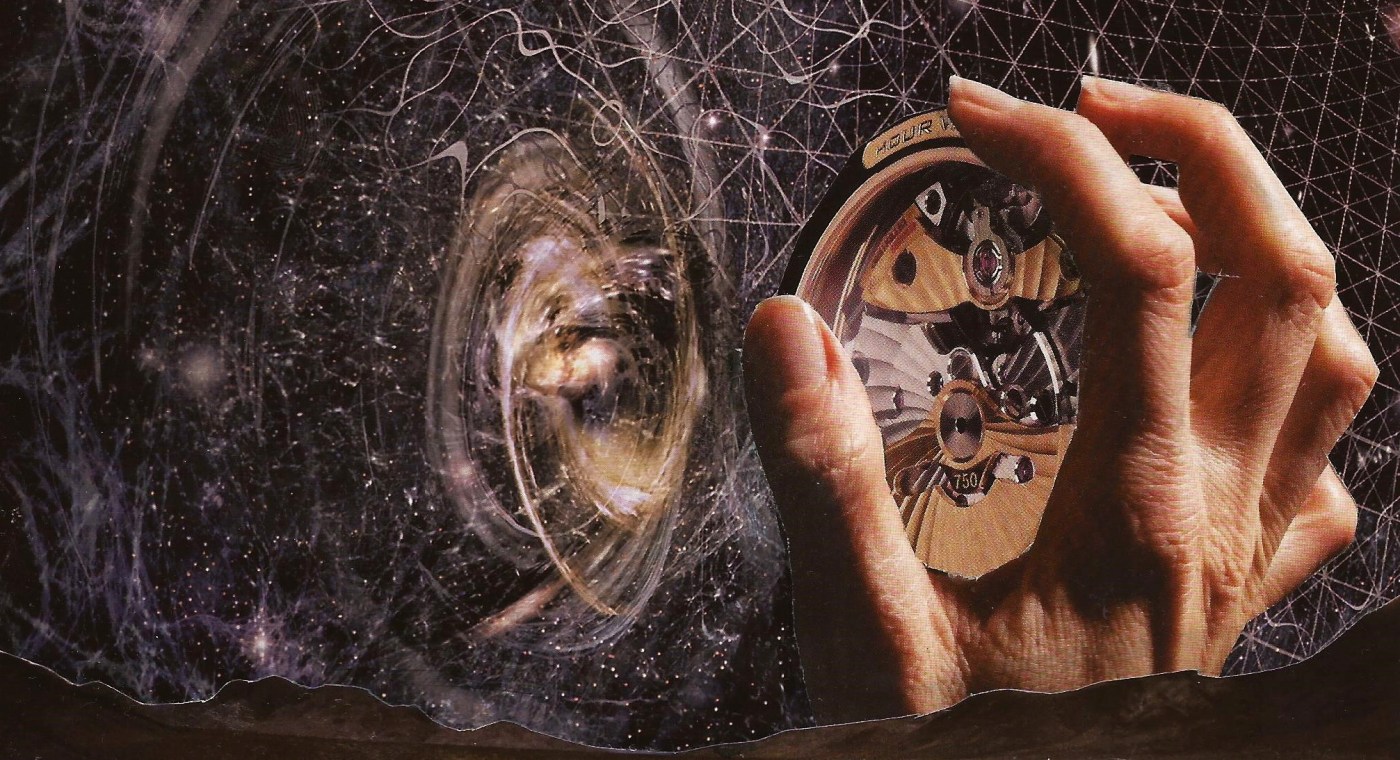
Journeys, physical, spiritual and psychological, are at the centre of each of my works. The idea of leaving and arriving – or transcending – inspires me to create. Continue reading “Journeys, art by Jodie Day”

Douglas, Arizona, is a border town.
I pull up outside the Gadsden Hotel around 10.15am after driving down State Highway 191 from an overnight stay in Willcox. The road follows the line of the Dragoon Mountains, where, in the 1860s, the Chiricahua Apache leader Cochise took refuge with two hundred of his people and for ten years waged a guerrilla war against the US army Continue reading “Who’d Pick A Fight With Lee Marvin? by David Dragon”
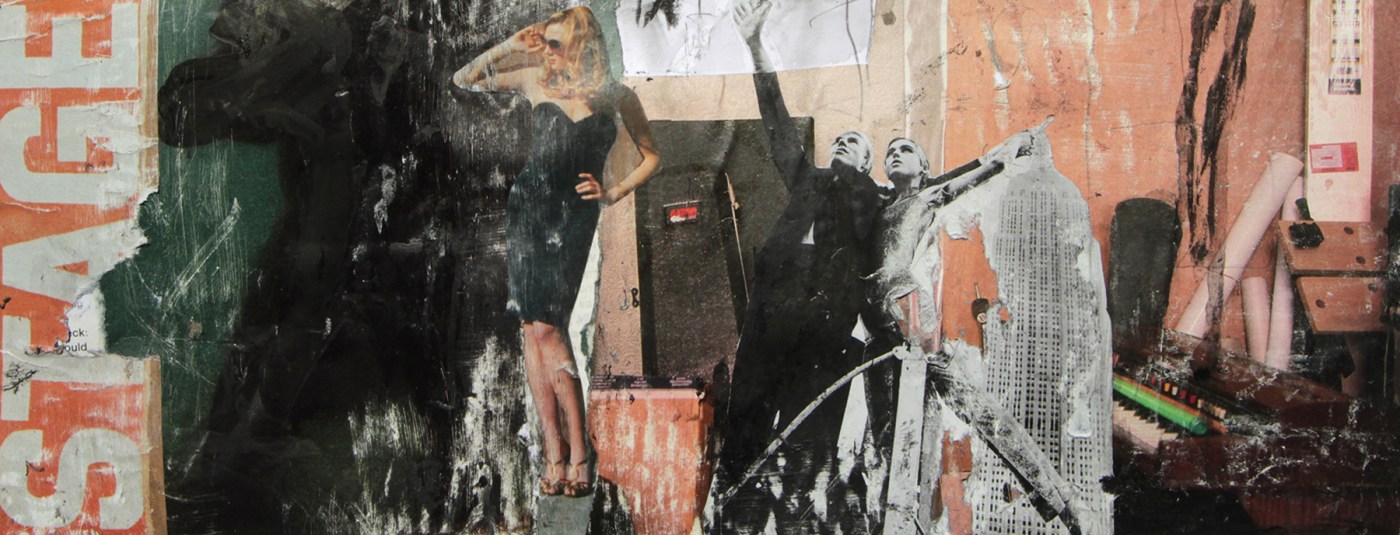
I started work on The Catskills Dream series after creating the first collage – The Catskills Visitor.
I’d visited New York several times but on one visit, I became intrigued by an area well to the north of it, known as the Catskills. I didn’t go there but I began to research it: stories of the old Borscht Belt, the summer circuit for Jewish entertainers, abandoned hotels and motels, retired lives, old secrets, broken promises.
Continue reading “The Catskills Dream by Anna Louise Simpson”

On the vast land of a hospital in Tokyo, there is a pond filled with plenty of water. Water springs up not only in the pond, but here and there. It is the source of a river. The underground water passes through the downtown of Tokyo and flows into Tokyo Bay. No one knows this is a water land and I’m dreaming of the ocean through the vapor. Continue reading “Waiting For The Ocean by hiromi suzuki”

author’s description
“Je l’élève sur mes pensées,
Et je vois éclore au milieu
De la fuite du cristal bleu,
Les feuilles des douleurs passées.”
― Maurice Maeterlinck “Verre Ardent” from ‘Serres Chaudes’, 1889“I hold the glass to my thoughts
and see in that crystal labyrinth
the petals of old pain bloom
as if they were not things of the past…”
― Maurice Maeterlinck ‘Serres Chaudes’, 1889 / “Burning-Glass” from ‘Hothouses’ translated by Richard Howard
Continue reading “Serres Chaudes, a series of visual poetry by hiromi suzuki”

The Mesmerist (2003)
I used to think that art was eternal, that being an artist made you immortal. But I’ve come to realize that who and what gets remembered is often haphazard. Books are forgotten. Film reels are destroyed. So little survives.
James Young directed a 1926 silent film called The Bells, starring Lionel Barrymore and Boris Karloff. In 2003, Bill Morrison reconstructed a surviving nitrate print of the movie into a new short film, adding a soundtrack by Bill Frisell. The print is damaged, creating a fascinating distortion of the images. Faces blur. Splotches dominate many of the scenes, though there is still a story that you can follow. Morrison calls his film a “revision” of Young’s original.
In Morrison’s film, Lionel Barrymore plays a character who, on Christmas, kills a Jewish man for his money. Boris Karloff is a mesmerist who tries to get Barrymore to confess his grisly crime. Morrison destabilizes the narrative by editing Young’s original scenes together in a way that suggests that much of what we are seeing is a dream. By the end of the film, we don’t know what is real and what is not.
Continue reading “Cinematic Shadows: Fragments on Two Films by Bill Morrison”
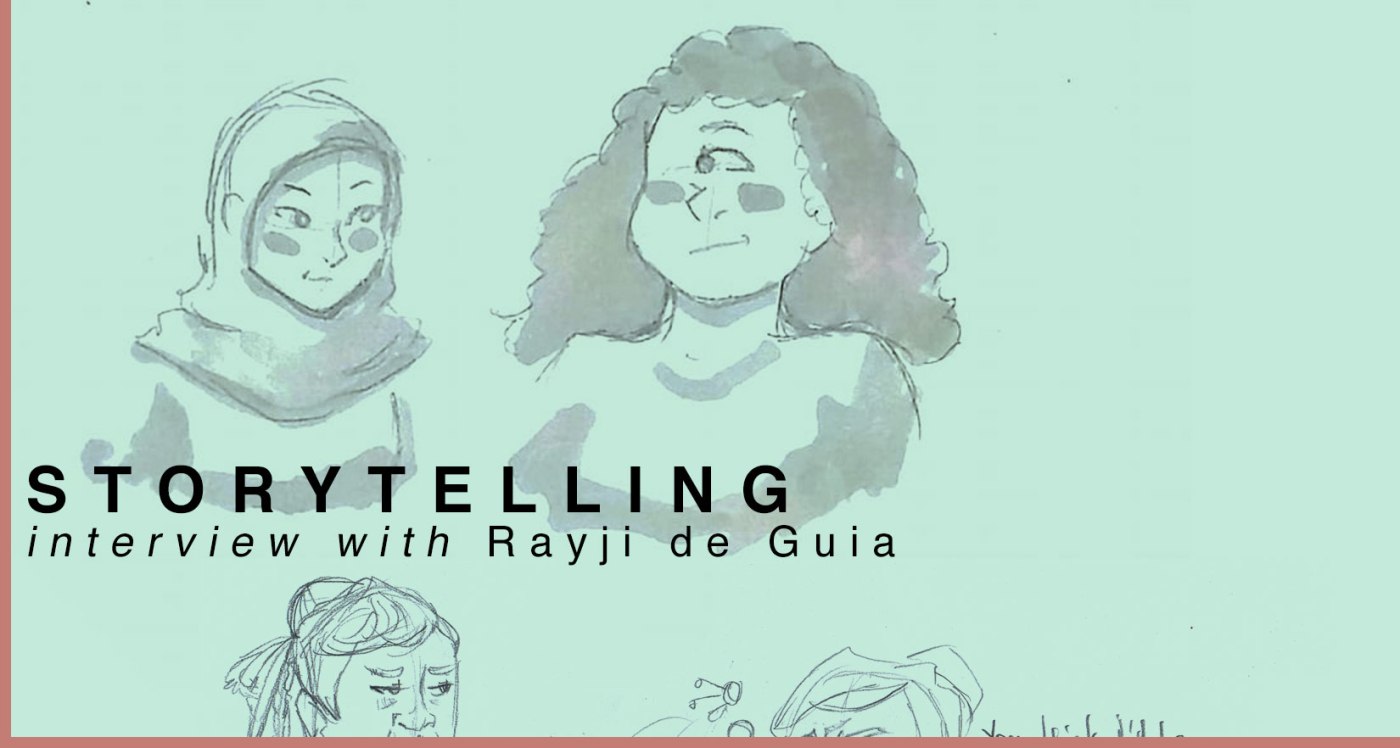

How long have you been writing and drawing?
I’ve been drawing since even before I could remember. A funny story my mother told me was how she’d gone to the market when I was around four. An older cousin was babysitting me and my sisters. While she was away, my sisters, rambunctious as they were, accidentally toppled a cabinet over the bed. When my mother arrived home, I ran up to her with a drawing on a sheet of paper that clearly depicted the situation – she dropped her huge bags from her hands and was ready to bolt into the house until my cousin came out to assure her everything had been arranged back. I don’t remember this at all, but I never doubted it, given that I’ve always had the memory of drawing with me.
Continue reading “Storytelling: Interview with Rayji de Guia”

“Sketch being a rudimentary conceptualising part of an idea which will later will translated to a physical or visual final product/s at the end and Book is mainly a collection of these sketches or rudimentary ideas compiled into a bounded book or portfolio (which may be made out of a piece of chewing gum wrapper, a piece of fungal infested durian leaf, a low quality 60g yellowed paper from a 1970s memo pad, an odd piece of broken lego plastic, etc.)”


The silence of grammar. The silence of morning fog. The silence of a tiger’s paw. Wandering silence. The I told you so silence. The silence of violence. The silence of the catacombs contained in a sheet of paper. The shimmer of summer night stillness silence. The ruins of love silence. The silence of God.
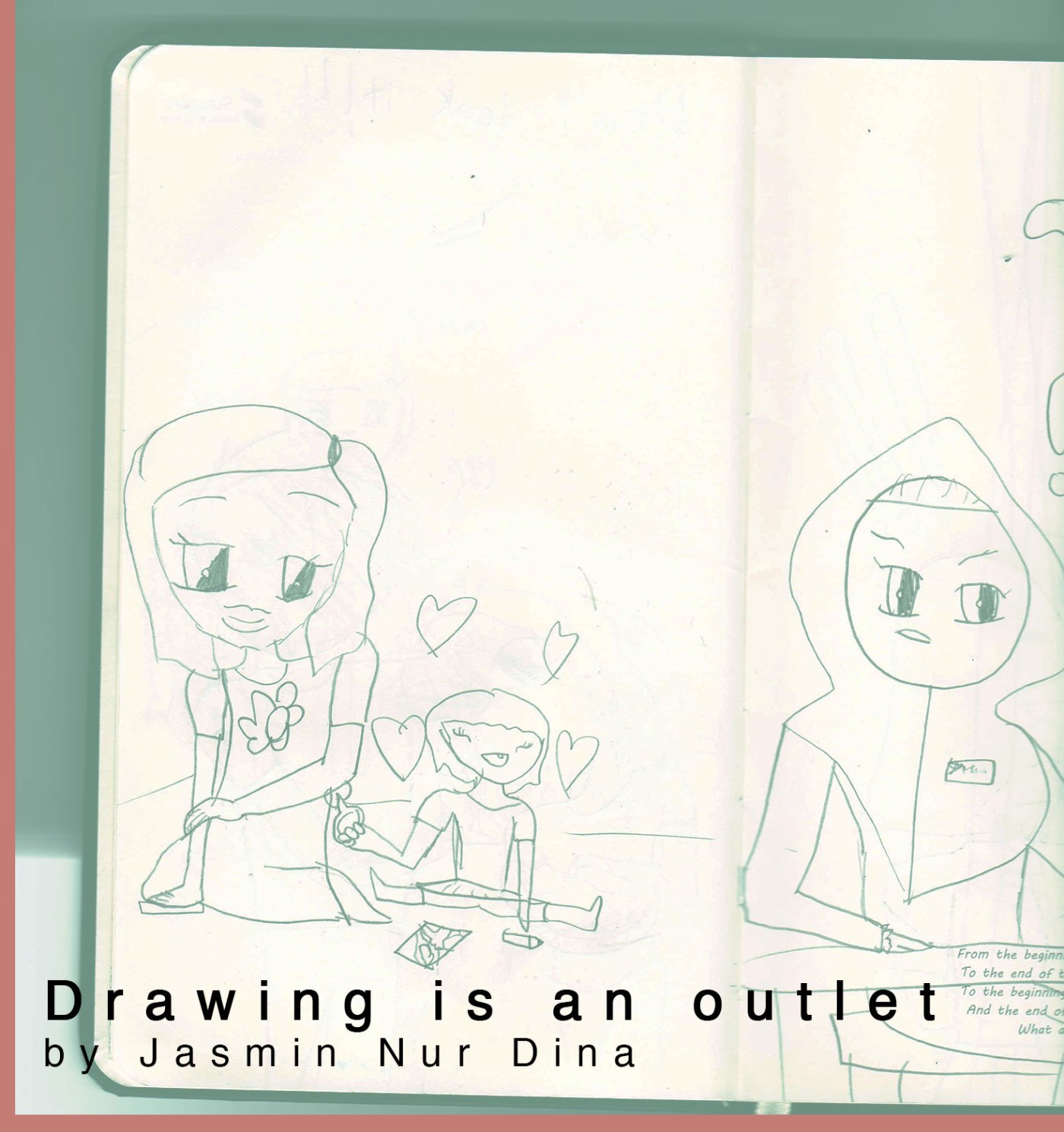
“Jasmin started drawing in a sketchbook a few months ago,
specifically to describe her life’s story.”
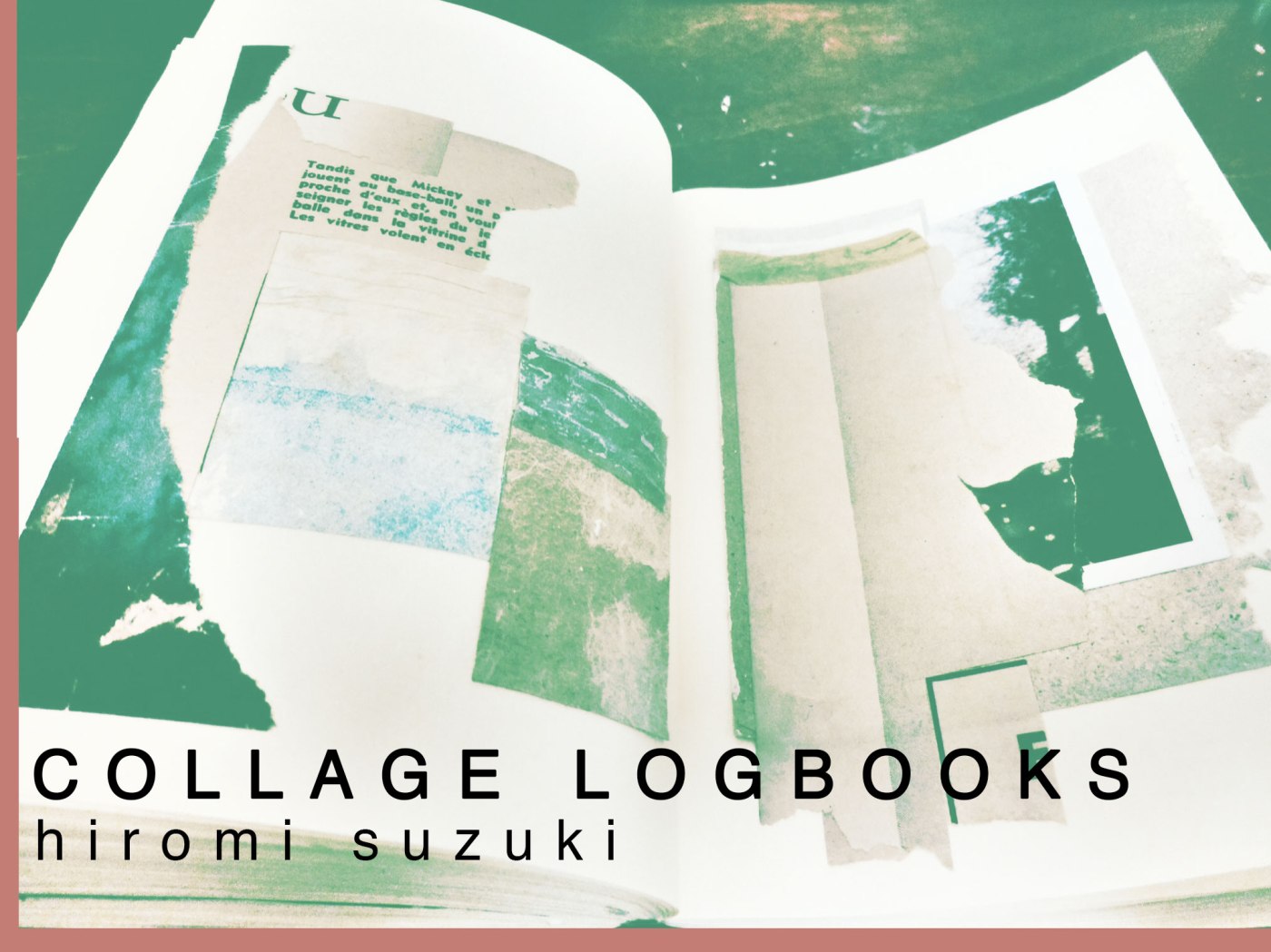
“I make collages in small sketchbooks every night before I sleep.
I call them ‘collage logbooks.’
They are diaries and also the place of creation for
my art and visual poetry.” Continue reading “Collage Logbooks: hiromi suzuki”
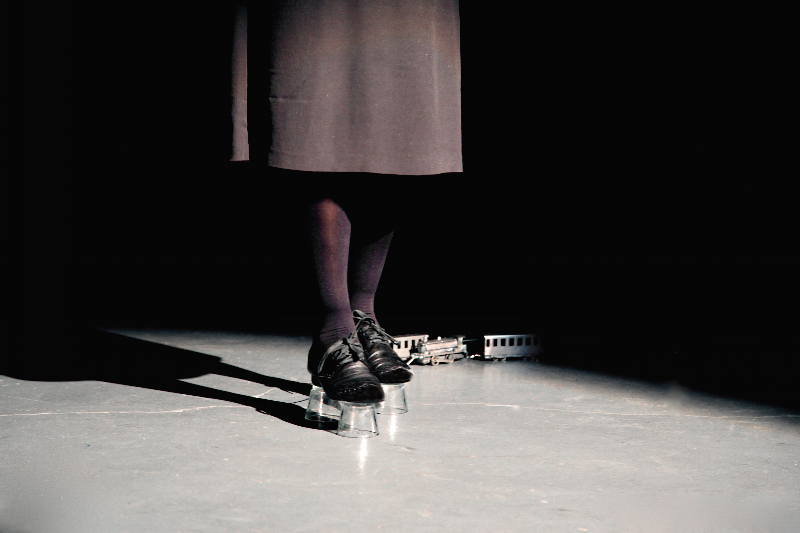
“Liz Zumin is an artist whose practice stems from an interest in contagion, suggestion and imitation. Through visual metaphor and physical experience she explores the duel between the isolated individual and the shared awareness of the group, the forming of relations, and how affect is transmitted between bodies and becomes enacted at a neurological, chemical and anatomical level.”
Earlier this year Liz Zumin answered some questions for BHP, an edited version of her interview was featured in The Arsonist magazine, which was published by Burning House Press a few months ago. We now make the full transcript of the interview available for BHP online.
Firstly, why make art?
I find it difficult to define and delineate what is art, perhaps because what art expresses and evokes is in part ineffable. I suppose that for me there has always been a fascination with the way that artists have the capacity to transform and alter things, to reverse the meaning of a sign, an object or a cultural form. For my part, I find that I am constantly collecting things; texts, fragments, images, ideas from all around, so in that sense, going back to the question why make art? It’s about sharing the way I experience the world and a way that I have of trying to make sense of it all. Continue reading “Liz Zumin Interview”

We’re putting together a series of art features exploring the theme, ‘Sketchbook.’
If sketchbooks are a big part of your creative process, if you make sketchbooks, or if it saves your life to sketch those tough nights away, we’d love to hear from you!
Submissions are open until 31st October (GMT). Send 3-8 scanned images of your best sketchbook spreads along with a bio and your website/portfolio links to arteditorbhp@gmail.com.
Accepted entries will be queued up for an art feature series. We’ll be picking a few entries for in-depth interviews, investigating the roles sketchbooks play in allowing one to cultivate a creative life (and the nitty gritties of what that could mean).
Looking forward to your submissions! Keep an eye on our Twitter for important updates or announcements about this project.

by Amee Nassrene Broumand
I invited poet and artist stephanie roberts — who has poems on Burning House Press and in The Arsonist Magazine — to trade lines of poetry with me. I’d never collaborated with another poet before, so the experience was something of a leap into the unknown. We began emailing poem shreds back and forth. The days flowed by, as did the weeks; the lines formed and shifted. Soon, a poem emerged —
(α) ANB:
Lacewings quake in the crepitation of thistles
& reeds. Crickets creak wintled heartbeats dry.
(β) stephanie roberts:
It would have been perfect, the river remapped boundary;
the embryonic recreates in its image.
Continue reading “a conversation in poetry with stephanie roberts”

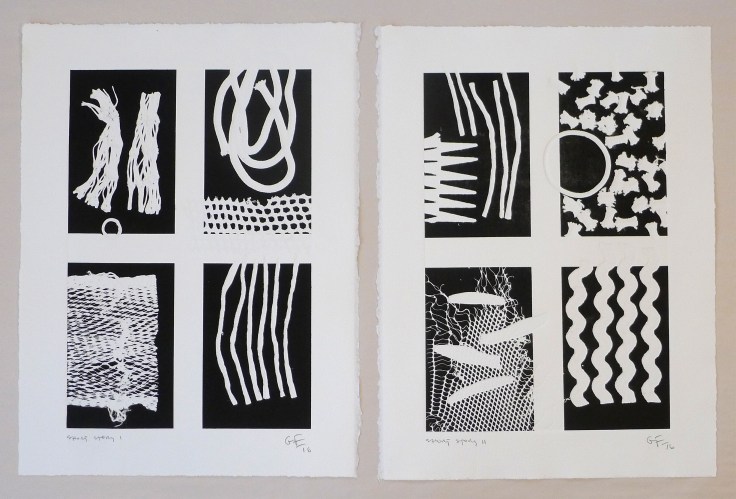
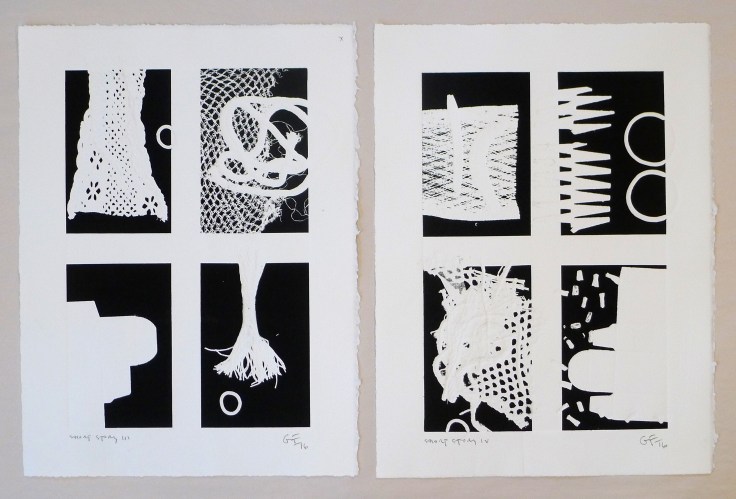


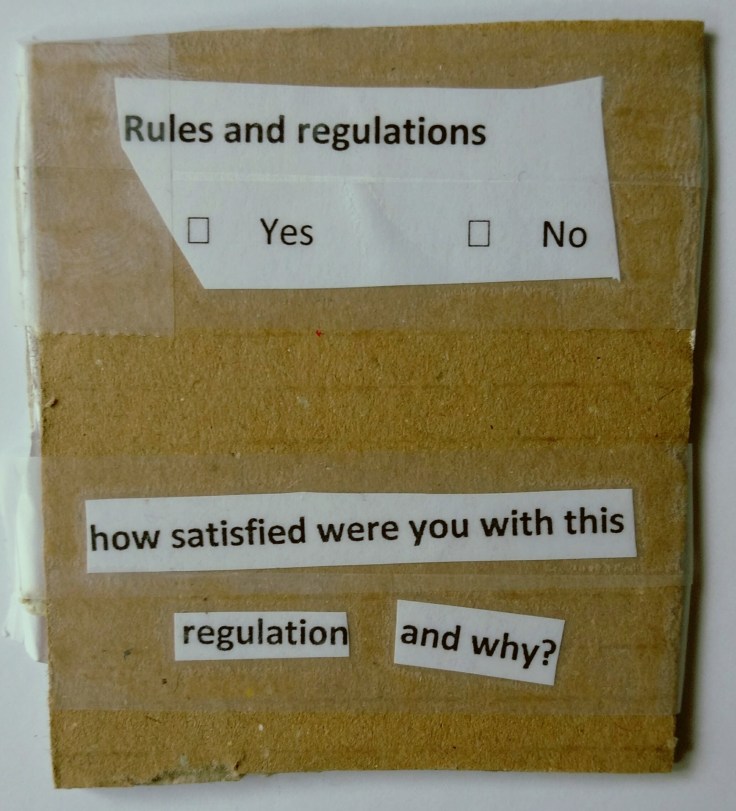
Coach House Series by Paul Hawkins
cut-up text
medium: mixed media on found card
dimensions: various
date: 2016
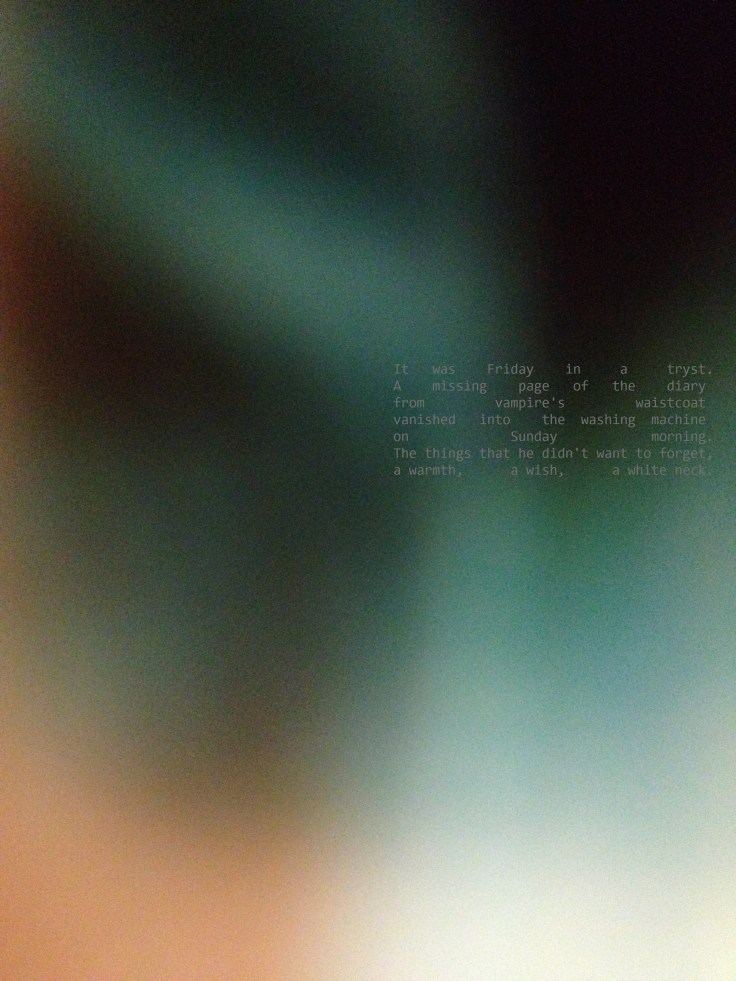 1. ‘a sigh, a sorrow, a suspicious mind’
 BURNING HOUSE PRESS
Visions Of Morandi
By Fredric Nord
I realize how this obsession has gone too far. I’m on a bus cutting through Stockholm, it’s a smug city but easy on the eyes. I’ve dressed up for this. I’m on my way to see Morandi at Artipelag, beautifully situated in the archipelago. My expectations are high, feeling a bit too happy for paintings, a bit nervous. I’ve seen so few of his works in real life, only once before, and they affected me so profoundly that the big painting next door, some ceiling job by some dude named Michelangelo, left me cold and meh. I seem to have something at stake here.
And for this text, I will be Don Quixote de la Costanza.
Continue reading “Visions Of Morandi” →
Share this: