“In the end, I would like it to be said that I have been a silent conversationalist with the world, a patient interlocutor devoid of names and arguments, seeking and at odds with, always, the atomic.” — Anton Aubinov, 1998
For a while, he graced a footnote in a biography of Clyfford Still1, removed in subsequent editions, purged as too obscure, adding no value to the lay reader. He is heavily rumored to have been the young artist called a “pissant” by Barnett Newman in a story attached to but never actually recounted by Betty Parsons. He may or may not have been able to do hands.
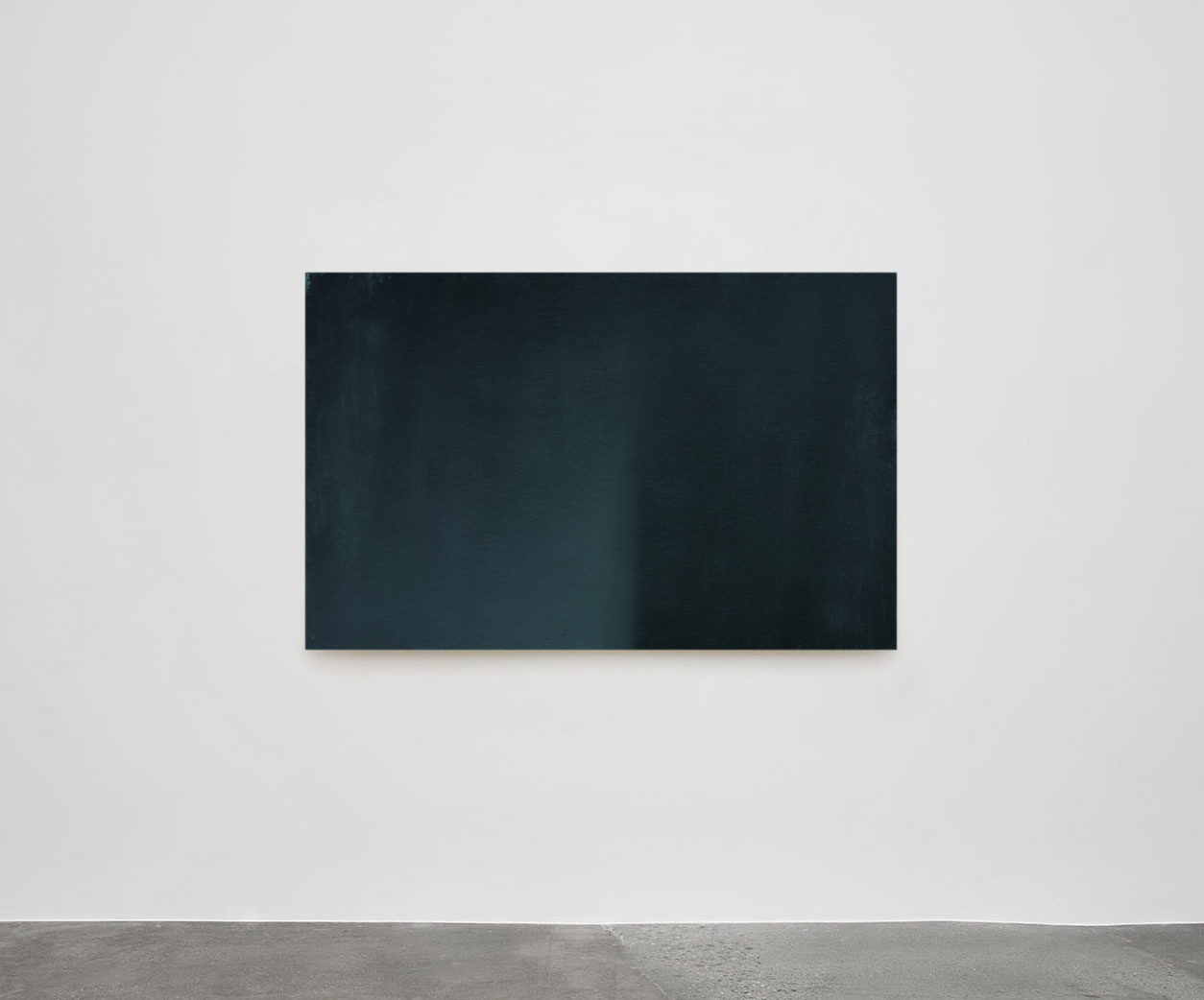
The late painter Anton Aubinov remained near-hidden throughout his career, subsumed into the greater wave of late American abstraction. His lone New York exhibition, at a here-today-gone-tomorrow space in Chelsea in 1952, was thrown together to capitalize on the recent fame of Mark Rothko, who had displayed, for the first time, his multiforms the year before. As the story of Aubinov’s opening goes, the drywall on which his works were mounted had been improperly adhered to the concrete casing, and the collapse of one wall was the subject of much of the subsequent press. So it went, so frequently. Continue reading “The New Atomist: A Selection from the Catalogue Raisonné of Anton Aubinov by Joshua Rothes” →









 BURNING HOUSE PRESS
The Colossus of Estacada by Matthew Spencer
The name misleads, slightly, and was coined for marketing purposes. In fact, the bronze figure measures thirteen feet tall—outsized, monumental perhaps, but not colossal. It stands contrapposto with one hand outstretched, palm inward, as if beckoning the visitor to approach. A thin but charitable smile creases the face, although patina has rendered the expression somewhat difficult to read, as have the iron security bars installed to ward off scrap hunters. Continue reading “The Colossus of Estacada by Matthew Spencer” →
Share this: