
The silence of grammar. The silence of morning fog. The silence of a tiger’s paw. Wandering silence. The I told you so silence. The silence of violence. The silence of the catacombs contained in a sheet of paper. The shimmer of summer night stillness silence. The ruins of love silence. The silence of God.
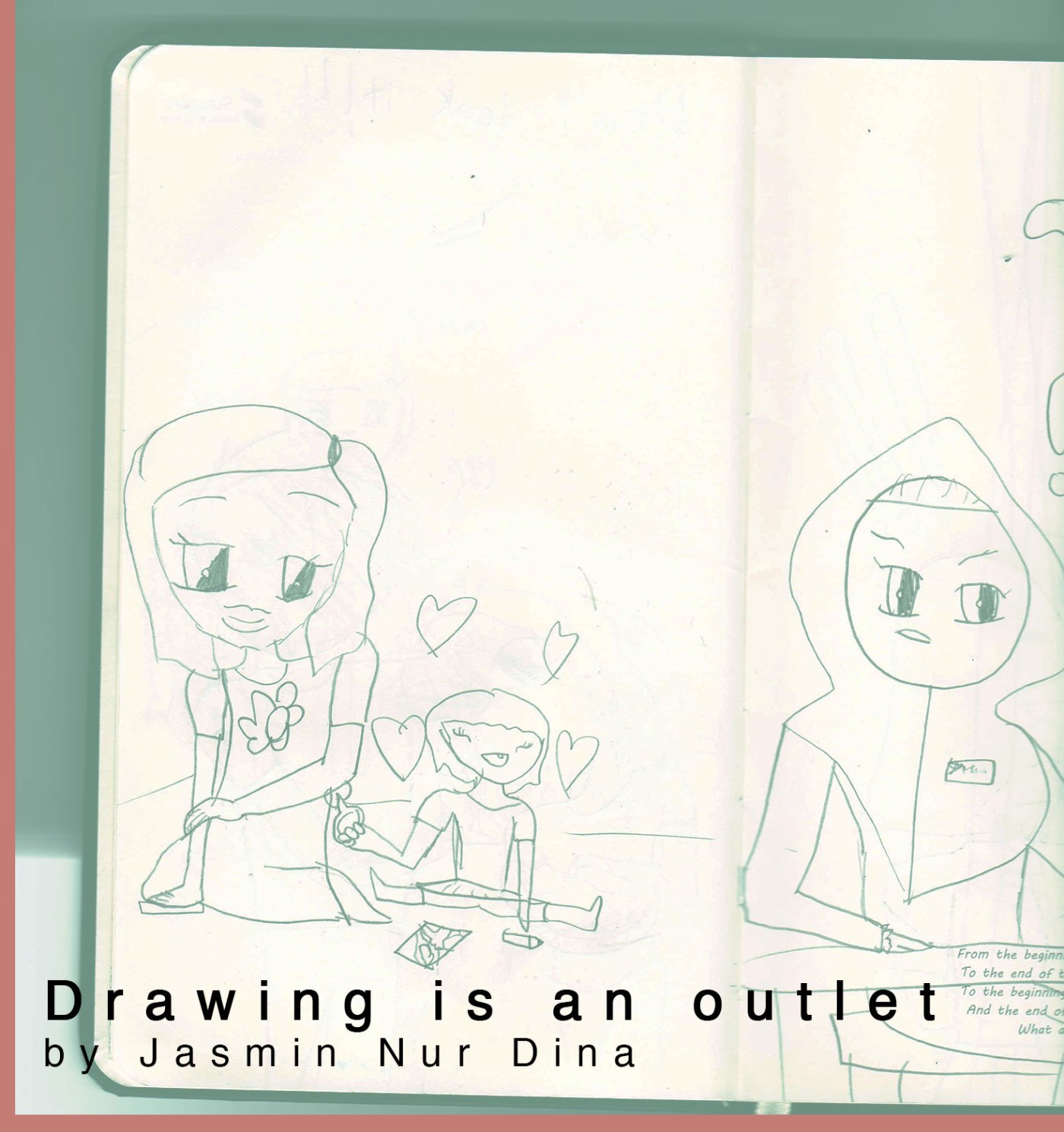
“Jasmin started drawing in a sketchbook a few months ago,
specifically to describe her life’s story.”

photos & an experimental essay
by Amee Nassrene Broumand
It’s raining at the moment. Calling it rain might suggest a downpour or perhaps a steadiness of purpose, but this rain is too ambivalent for any of that relative cheeriness. This is slacker rain. This rain drizzles on and off all day, turning the landscape into a listless void. It’s hard to even tell the color of the light in such rain—is it grey, or is it a lurid shade of green?
I’ve never been sure, yet I know it well: as I child I stared out of myriad windows into this rain—into the glistening trees that slouched with waterlogged branches—and tried to imagine the sun. It didn’t work, of course; the rain had seeped into my mental eye. Instead of sunlight, the inside of my skull grew lush with moss. Forests sprang up, haunted by arboriform spirits and carnivorous umbrella monsters. Predatory ferns infected my temporal lobes and burst outwards in Medusa-like fronds, marking me as forever coiled, an absurd Beardsleyan grotesque.
The sun is out of reach. Continue reading “The Fire, the Eclipse, and the Spiders”
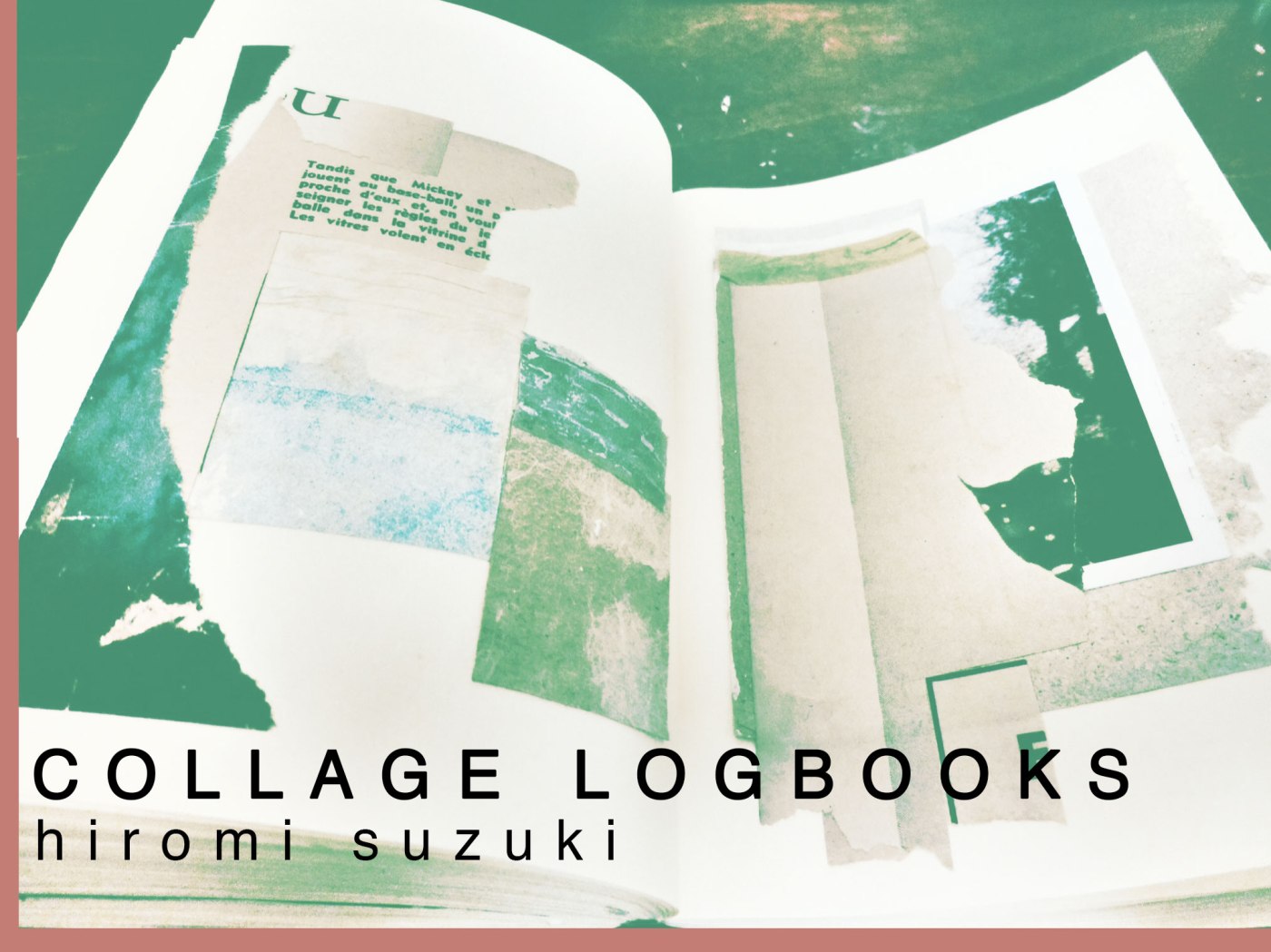
“I make collages in small sketchbooks every night before I sleep.
I call them ‘collage logbooks.’
They are diaries and also the place of creation for
my art and visual poetry.” Continue reading “Collage Logbooks: hiromi suzuki”

On the release of her latest poetry collection – blud – Adrianna Robertson interviewed Rachel McKibbens for Burning House Press.
I first contacted Rachel McKibbens because I had been—as I often am—considering what it means to write about mental illness. I wanted to have more conversation about why it matters to write poems about mental health, how it factors into one’s identity as a human and a writer, and what it is to attempt to put the experience of it into words. At the same time, I was reading more and more of Rachel’s work (I picked up Pink Elephant and couldn’t put it down) and I felt like I had to tell someone—or as many people as possible, that these poems were opening a door. The new poems in blud left me with that same breathless feeling. Again, I found myself reading them aloud, handing them to friends and my students. Yet, when I sat down to type my questions for this interview, I knew it was impossible to say all I wanted to say—how to describe all that these poems bring forth in me: sorrow, heartbreak, awe, kinship…and always surprise. Finally, I settled on some questions and what follows are Rachel’s eloquent and evocative answers, though they would have been this regardless of what I had asked. And, perhaps more important than any perfect word I could come up with to describe this collection, is this: we need these poems and I am so grateful to Rachel for writing them.
All we misfits, weirdos, black sheep, outcasts and witches who have managed to crawl out of the mud and hold our faces up to the light are family.

by Amee Nassrene Broumand
ANB: Autumn begins to pulse from leaf to flavescent leaf, beading—here and there—into cardioid splashes of pomegranate. The hum of the forest alters. Over the hills, in a dilapidated garden choked with honeysuckle vines gone wrong, sunbeams curve down upon a mud-eaten shoe. In places such as these, even saints grow timid.
EC: Currents of light and wind thread a passage. I trail my hands through the leaves, and they come away doused in bergamot, verbena, thyme, traces of care still scattered in this tangled place, death not reversed but charmed into a feral green. I crush rosemary needles between my teeth, think how I must have gone wild too early, trying to possess some other shape. The wind pushes me like a weathervane through the bramble, up to the hollow brink where a house once stood. A granite threshold left sunk in the ground marks where ghosts should step. How can it be the only things that seem real to me now are ruins. Continue reading “An Experimental Conversation with Writer Erin Calabria”
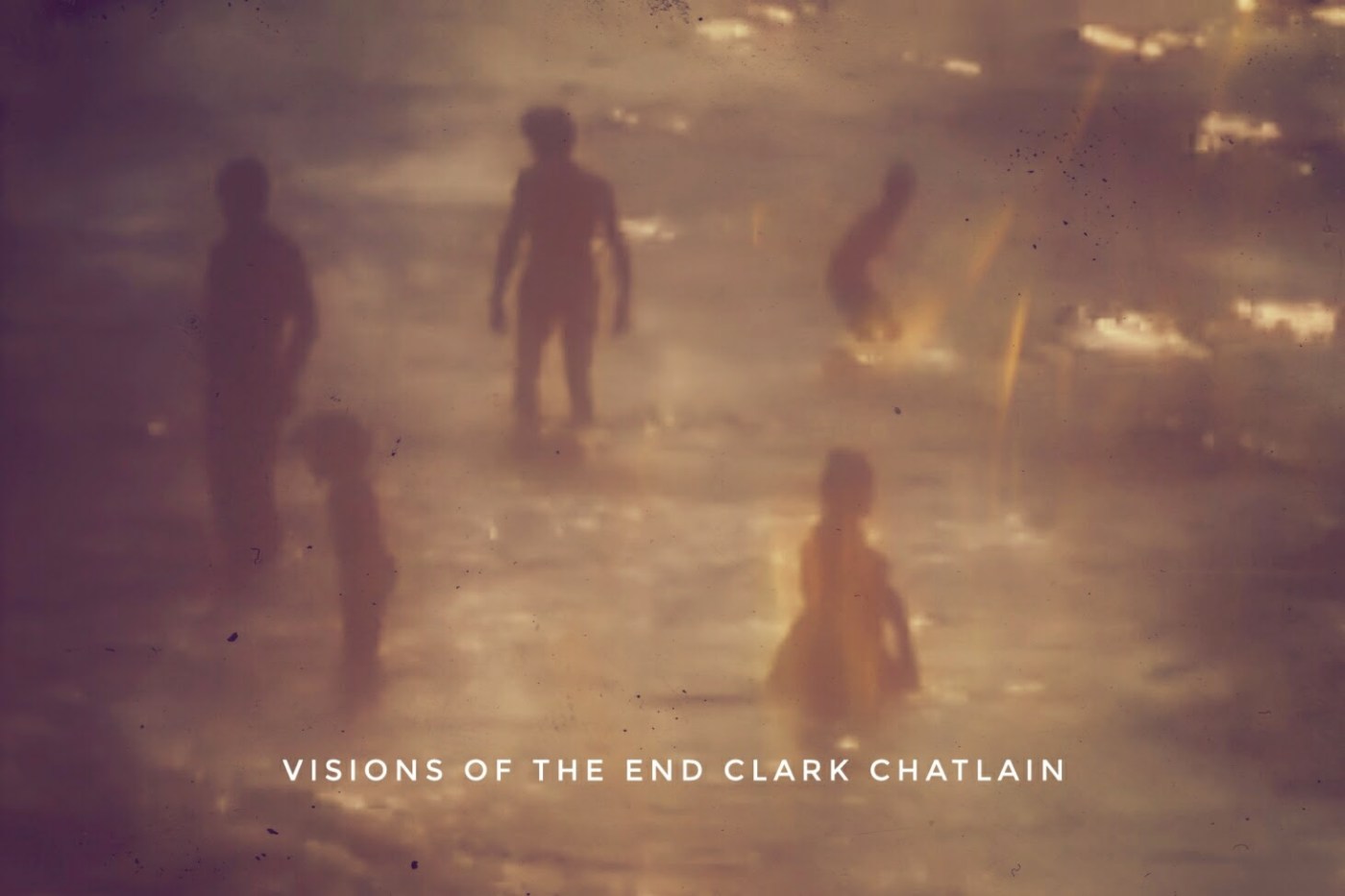
we live today with the sense that the apocalypse is underway. our world is a world lit by revelation. we believe we have seen our own end, that it has been revealed to us, for that is one meaning of the term apocalypse: to reveal, to uncover. when John of Patmos narrated his vision he gave us his apocalypse, and though it was rooted in his Christianity and even more in his time and his world, it is still now our most common exemplar of an apocalypse. this meaning of apocalypse, this revelation and uncovering of the end, is closer to our understanding of our world than we might think. while the generations and centuries before us found themselves, for the first time, living in a disenchanted universe, we are today the generations that hear and read daily that our world is ending. Continue reading “‘visions of the end’ by Clark Chatlain”
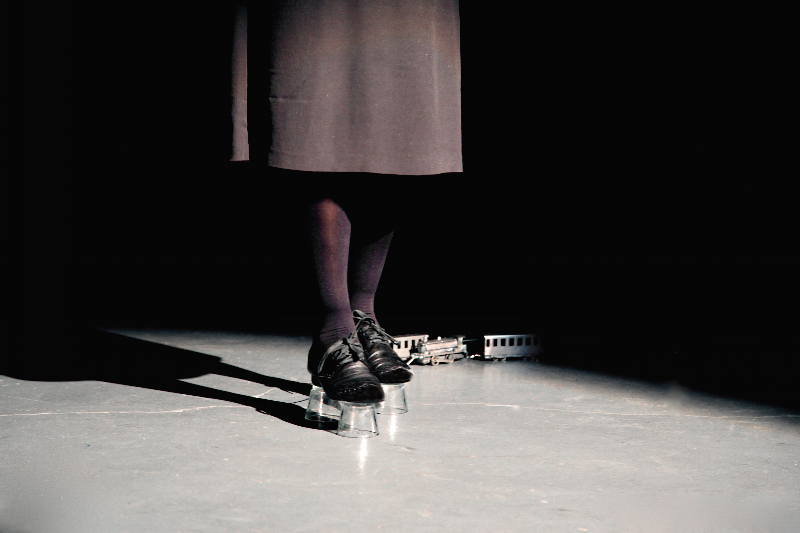
“Liz Zumin is an artist whose practice stems from an interest in contagion, suggestion and imitation. Through visual metaphor and physical experience she explores the duel between the isolated individual and the shared awareness of the group, the forming of relations, and how affect is transmitted between bodies and becomes enacted at a neurological, chemical and anatomical level.”
Earlier this year Liz Zumin answered some questions for BHP, an edited version of her interview was featured in The Arsonist magazine, which was published by Burning House Press a few months ago. We now make the full transcript of the interview available for BHP online.
Firstly, why make art?
I find it difficult to define and delineate what is art, perhaps because what art expresses and evokes is in part ineffable. I suppose that for me there has always been a fascination with the way that artists have the capacity to transform and alter things, to reverse the meaning of a sign, an object or a cultural form. For my part, I find that I am constantly collecting things; texts, fragments, images, ideas from all around, so in that sense, going back to the question why make art? It’s about sharing the way I experience the world and a way that I have of trying to make sense of it all. Continue reading “Liz Zumin Interview”



Pairty
Goat an invite fae the boy up the stair. A wee pairty he wis huvin fur his birthday, an he wondered if Ah fancied comin up fur a couple o beers. At first Ah thought, Christ, a room fu o folk Ah dinnae ken, drinkin, gettin pished, mibbie talkin aboot fitba or politics or that. Ah cannae be daein wi aw that cairry oan. Continue reading “‘Pairty’ by A.G. Kayman”

Burning House Press are proud/excited to announce our 2nd publication in 2018 will be the 1st poetry collection by the amazing Anna Wall. More details to follow shortly Xx


“London was cloaked in a strange orange glow after Storm Ophelia caused a dust phenomenon and turned the sun red.”
* * *
“Keep a red heart of memories
Under the great gray rain sheds of the sky,
Under the open sun and the yellow gloaming embers.
Remember all paydays of lilacs and songbirds;
All starlights of cool memories on storm paths.Out of this prairie rise the faces of dead men.
They speak to me. I can not tell you what they say.” – from ‘Haze’ by Carl Sandburg
Under the great gray rain sheds of the sky,
Under the open sun and the yellow gloaming embers.
Remember all paydays of lilacs and songbirds;
All starlights of cool memories on storm paths.Out of this prairie rise the faces of dead men.
They speak to me. I can not tell you what they say.” – from ‘Haze’ by Carl Sandburg
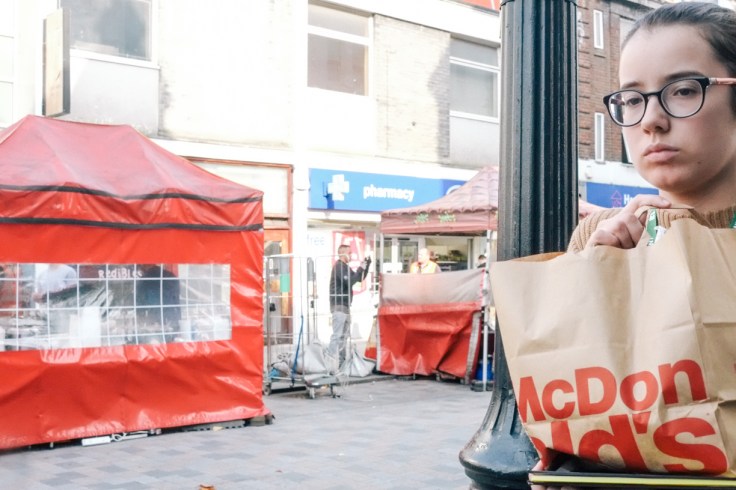
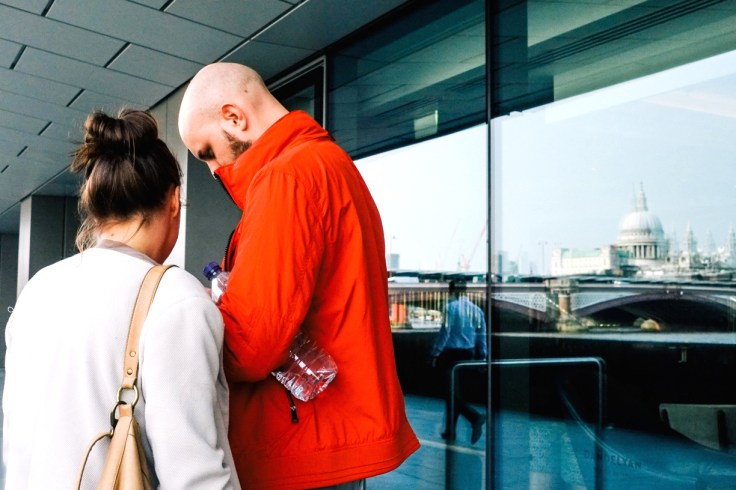

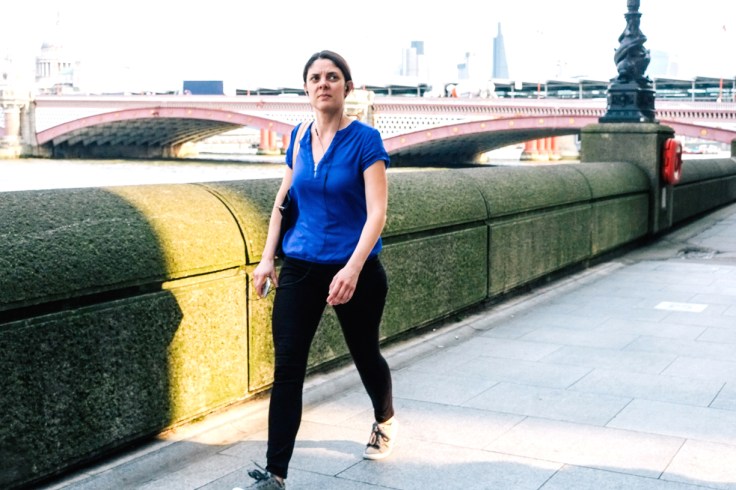

Continue reading “‘Strange Light’ – London 16th October 2017 – photo-essay by Miggy Angel”
Hi-Vis Press interviewed Burning House Press’ chief Arsonist Miggy Angel – Covering the subjects of art, recovery, class, mental health and addiction, and his journey from South London to become a writer and poet – check it out here! Xx

We’re putting together a series of art features exploring the theme, ‘Sketchbook.’
If sketchbooks are a big part of your creative process, if you make sketchbooks, or if it saves your life to sketch those tough nights away, we’d love to hear from you!
Submissions are open until 31st October (GMT). Send 3-8 scanned images of your best sketchbook spreads along with a bio and your website/portfolio links to arteditorbhp@gmail.com.
Accepted entries will be queued up for an art feature series. We’ll be picking a few entries for in-depth interviews, investigating the roles sketchbooks play in allowing one to cultivate a creative life (and the nitty gritties of what that could mean).
Looking forward to your submissions! Keep an eye on our Twitter for important updates or announcements about this project.

Shrinking Ultraviolet
by Rebecca Bird
(Eyewear, 2017)
Rebecca Bird’s first poetry collection is a fierce, accomplished and empowering call to find your own identity.
What makes one writer different from another? As much as any poet is unique and their writing is particular to them, they still work within (and out of) forms and conventions.
For me, all writing bears the fingerprint of its author’s character, even though we are often using the same building blocks of language – and this is what I find most inciting and insightful in Shrinking Ultraviolet. Continue reading “Shrinking Ultraviolet by Rebecca Bird – reviewed by Adam Steiner”

Lydia Towsey interviewed by Trevor Wright for Burning House Press
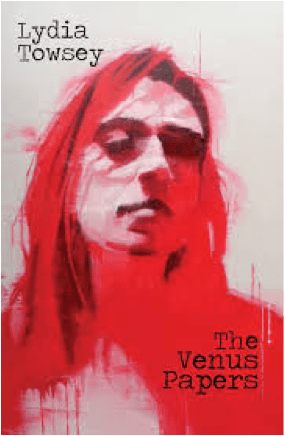
We first met at the launch of the Refugee anthology, Over Land, Over Sea. Poems for those Seeking Refuge (Five Leaves Press 2015). What was that project like for you?
It’s been very positive – a great idea. As an ordinary citizen, especially, or even in our current political climate, it’s easy to feel powerless. Ambrose (Musiyiwa) whose poem The Man Who Ran Through the Tunnel stimulated the anthology) thought this would be a way to mobilise lots of voices, not just from Leicester but from across the country and the world. Continue reading “A Burning House Press Interview With Lydia Towsey”

Burning House Press are excited to announce that our first book publication forthcoming in 2018 will be ‘Gospel Of Aberration’ by Rob True – his first full collection of stories. More details to come.

A Woman Needs A Coat
A woman needs a coat
And a hat
And a roof
A woman needs a friend
And an enemy Continue reading “3 Poems by Debra Watson”
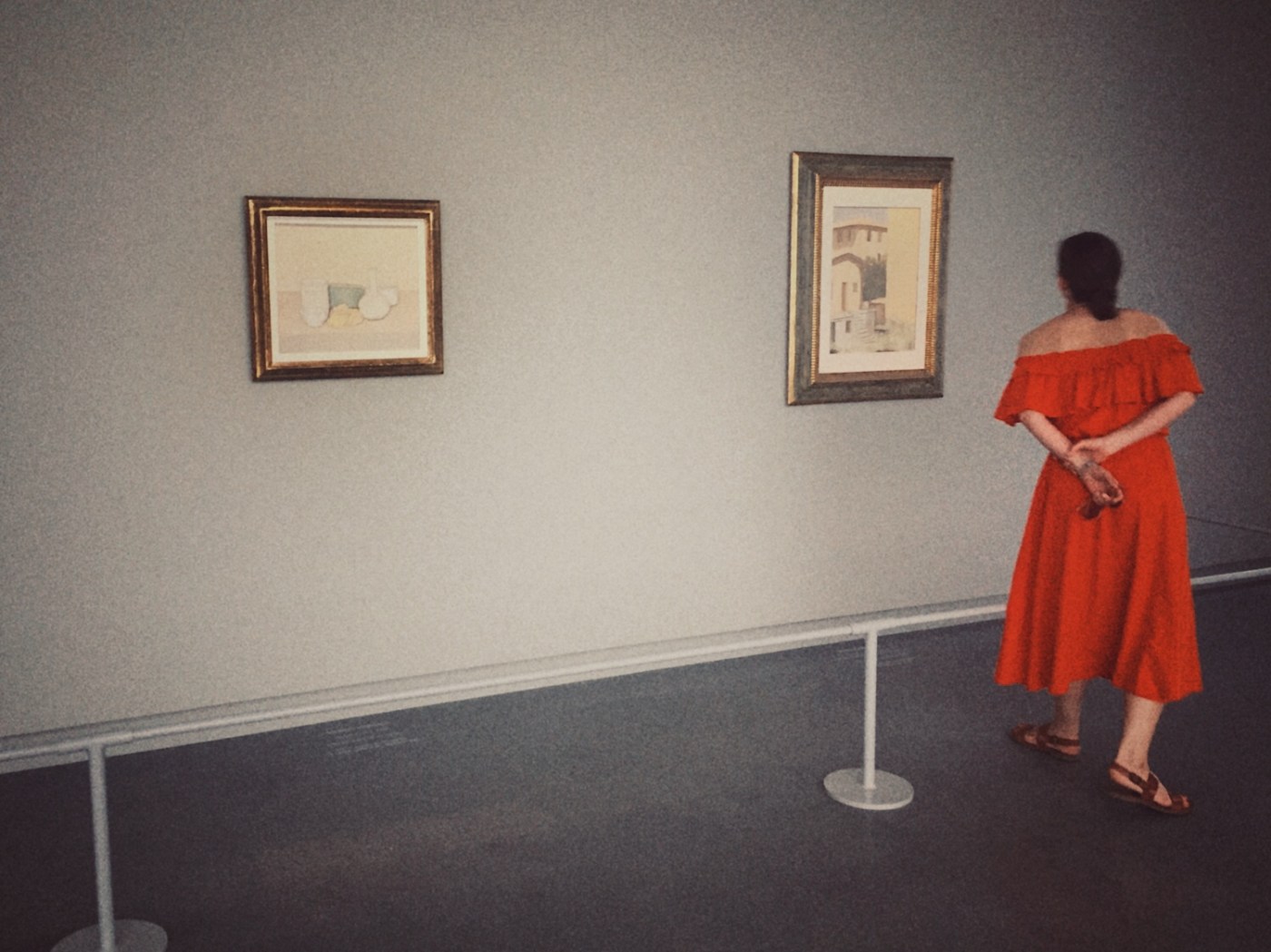
By Fredric Nord
I realize how this obsession has gone too far. I’m on a bus cutting through Stockholm, it’s a smug city but easy on the eyes. I’ve dressed up for this. I’m on my way to see Morandi at Artipelag, beautifully situated in the archipelago. My expectations are high, feeling a bit too happy for paintings, a bit nervous. I’ve seen so few of his works in real life, only once before, and they affected me so profoundly that the big painting next door, some ceiling job by some dude named Michelangelo, left me cold and meh. I seem to have something at stake here.
And for this text, I will be Don Quixote de la Costanza.
 BURNING HOUSE PRESS
‘Boredom’ by Liz Zumin
Boredom
I find myself thinking about boredom. Boredom, is a feeling that seems to be prevalent amongst the modern world’s most dominant social experiences of fatigue, depression and various neuroses which are effected in today’s society. It is an inevitable consequence of modern technological advancement where the borders between work and life have become blurred, the world made smaller by the internet, and the news broadcast continuously twenty four hours a day, extending even further into our subjective experience.
Continue reading “‘Boredom’ by Liz Zumin” →
Share this: