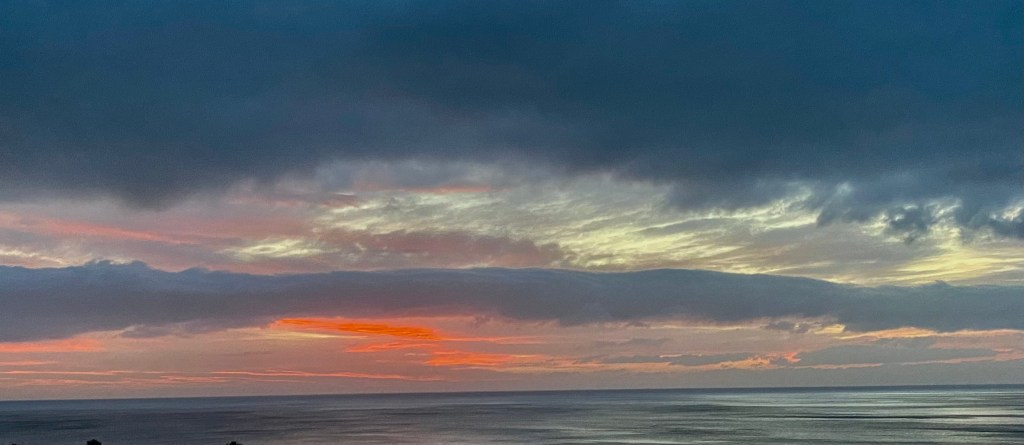
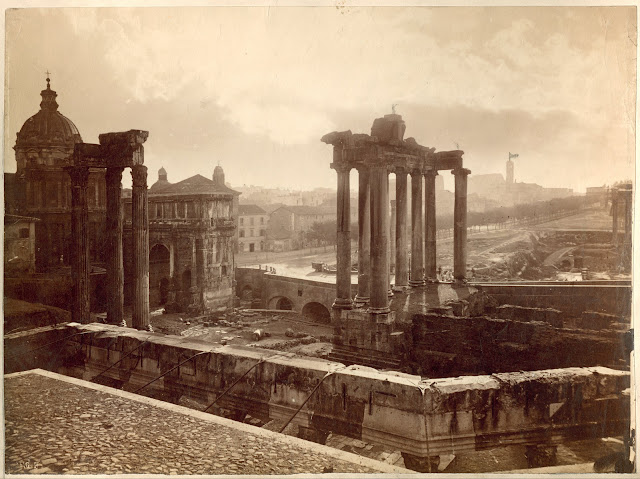
Photo by C.C. O’Hanlon
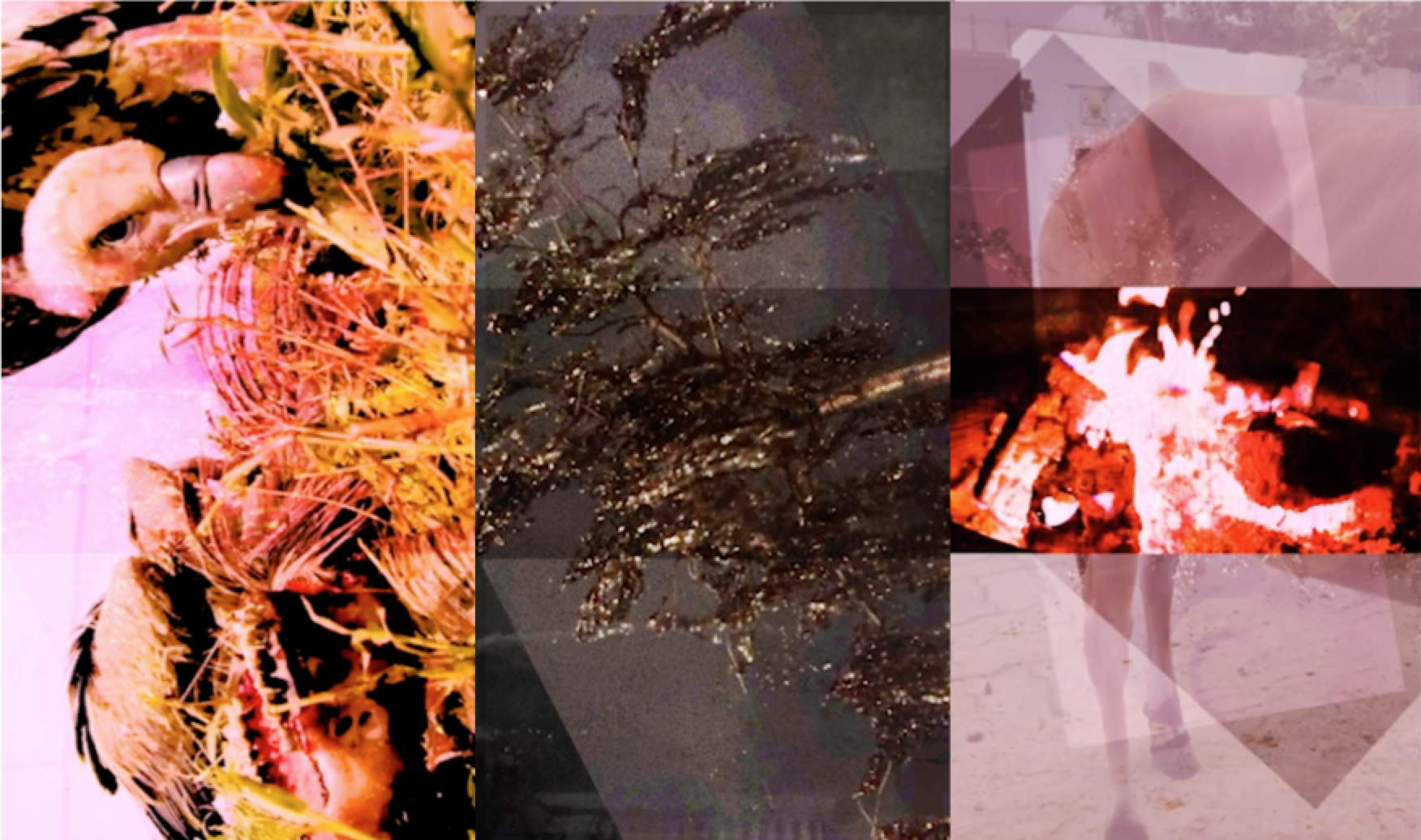
¿Y el fuego que no se ve? ¿Cómo registrarlo? ¿Y la llama que invisible cerca al cuerpo? ¿Y la hoguera incolora que arde en el cerebro? ¿Cómo dibujarlas, cómo explicarlas? El incendio ciego encerrado en cada gota de sangre, ¿con qué tinta, con qué pigmento se traslada al papel? ¿Cómo hacer visible el alcohol que quema su anillo fantasma en la retina? ¿Y el fuego innombrable que calcina la lengua? ¿Y el alambre ardiente y afilado de la circunferencia que te atraviesa el alma? ¿Cómo decirlos, cómo llamarlos?
And what of the unseen fire? How to record it? And the invisible flame about the body? And the colorless bonfire roaring in your brain? How to draw them, explain them? The blind blaze enclosed in each drop of blood, with which ink, with which pigment can it be put to paper? How to make visible the alcohol that burns its phantom ring on the retina? And the unnameable fire that scorches the tongue? The blistering, razor wire that encircles the soul? How to name them, how to call them?
. . .
El nombre es una espiral, un erizo que da la vuelta a la sombra. Adivinas luz al torcer el muro. Casi la tocas, pero no la alcanzas a ver. Arena blanca. Sigues. Recorres un segmento del círculo con una jaula de pájaros vacía en tus manos: la puertita choca su metal al abrirse y cerrarse a tu paso. El mar deja en libertad uno de sus vientos para que se pierda en el laberinto. Lo encontrarás llevando el rumor de campanas distantes y de piedras tristes y metales que brillan lejos. El palacio del caracol es su esqueleto. El palacio del estratega es su memoria. Hay un mar vivo en el centro. Al humedecerse, el cráneo del remolino canta su canción. Es lo que llega a tu oído.
The name is a spiral, a sea urchin turning round the shadow. You glimpse light when curving along the wall. You can almost touch it, but you can’t quite see it. White sand. You continue. You pace the segment of the circle with an empty birdcage in your hands: the tiny door clanks its metal open and shut with your footfalls. The sea sets free one of its winds to lose it inside the labyrinth. You’ll find it carrying the rumor of distant chimes and sad stones and metals that shine from afar. The seashell palace is its skeleton. The strategist’s palace is his memory. There’s a living sea at its center. When wet, the whirlpool’s skull sings its song. That’s what you hear.
. . .
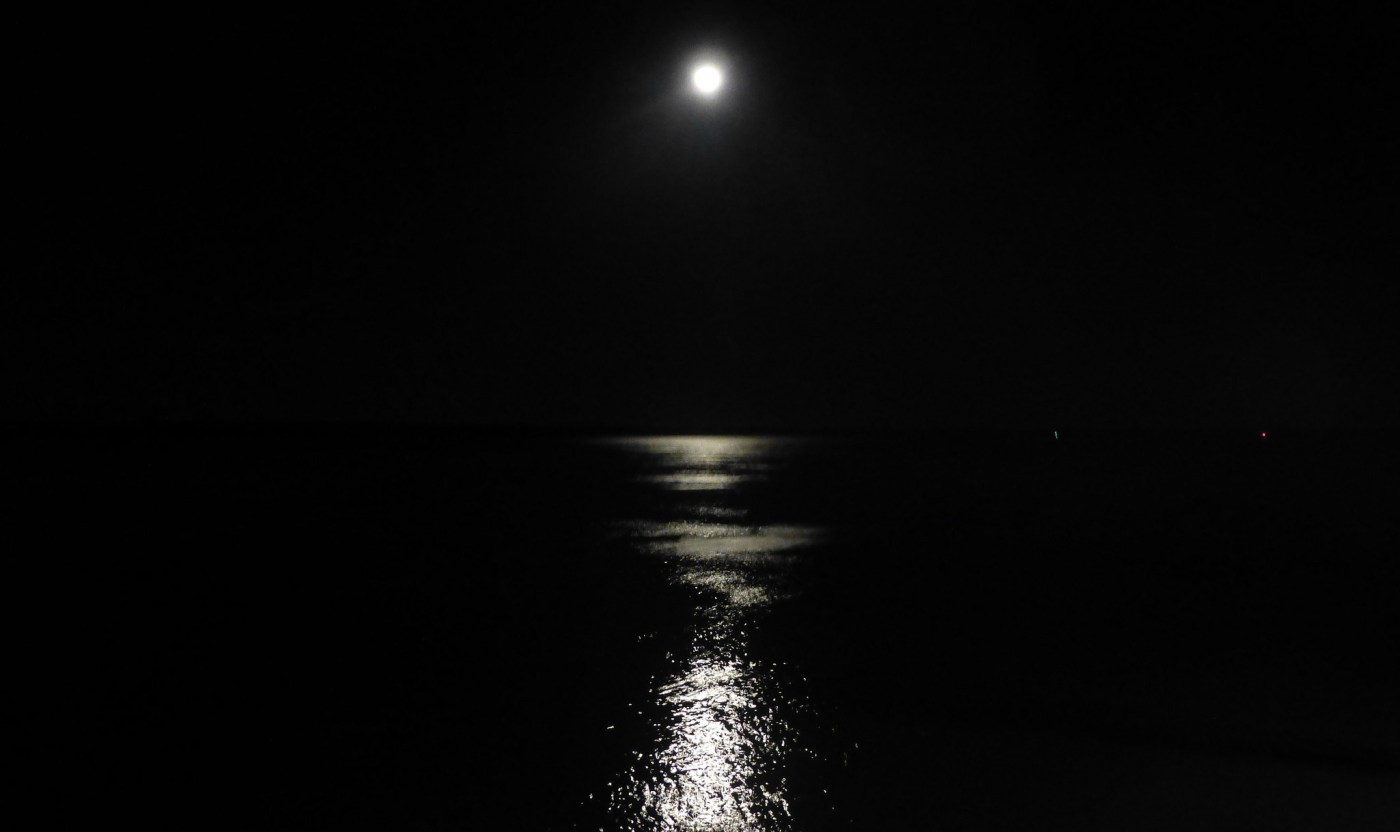
A lo largo de la Odisea, hay una frase que deja un leve rastro en la historia de los días y las noches de Odiseo entre las islas: la luz del regreso. Telémaco la pronuncia por primera vez cuando le confiesa a la diosa Atenas, la ojizarca, el temor a que su padre hubiera perdido ese fulgor. Odiseo la emplea cuando trata de explicar a Calipso su deseo de volver a Ítaca. Hay esperanza en esta imagen, pero se trata de una esperanza humedecida de tristeza. La tristeza de la imposibilidad del retorno, la de la callada certidumbre de que la Ítaca de la cual partimos no la encontraremos ya. La Odisea, como todos sabemos, es la apuesta para recuperar la luz del origen, la primera que vieron nuestros ojos y por la que vale la pena morir para verla brillar una vez más. Todos tenemos una Ítaca que reverbera en el filo de nuestro horizonte. Así, el poema entero –es decir, la vida- se concentra en esa imagen, como la luz de la isla en el vaso que dibuja su reflejo en el muro.
Throughout the Odyssey, there’s a phrase that leaves the faintest of traces on the history of the days and nights of Odysseus among the islands: the light of the return. Telemachus first pronounces it when confessing to the goddess Athena, the bright-eyed one, his fear that his father may have lost that glow. Odysseus uses it when trying to explain to Calypso his desire to return to Ithaca. There’s hopefulness in that image, but it’s hope dampened by sadness. The sadness of the impossibility of return, that of the quiet certainty that the Ithaca we left won’t ever be found again. The Odyssey, as we know, is the attempt to recover the original light, the first our eyes ever saw and for which it would be worth dying to see shining once more. We all have an Ithaca reverberating on the edge of our horizon. Thus, the entire poem—that is to say, life—is concentrated in that image, like the light of the island in a glass that etches its reflection on the wall.
. . .
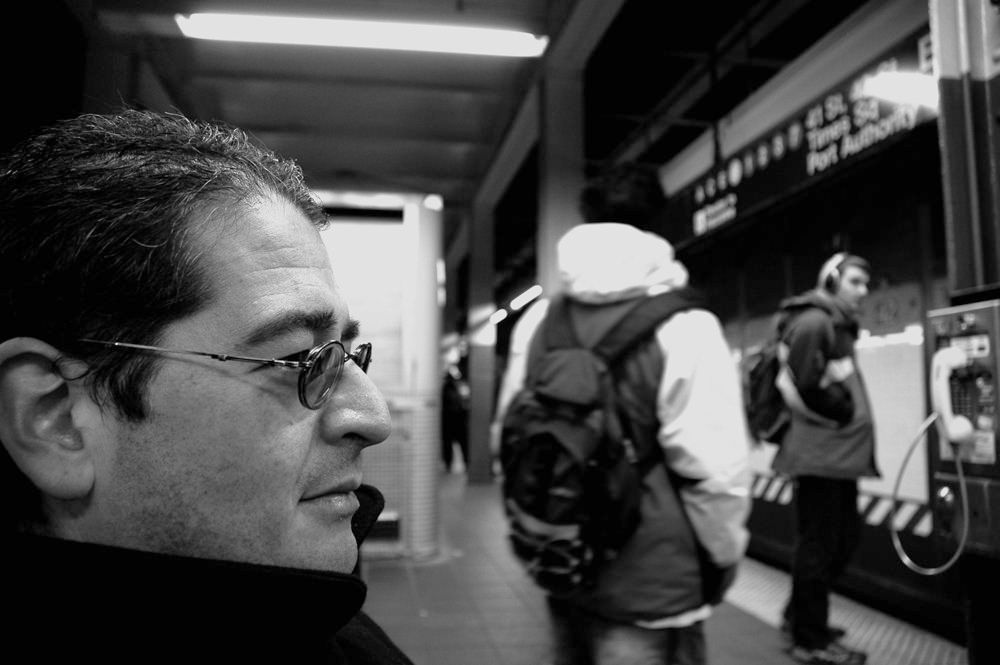
Born in Chihuahua, Mexico, Gaspar Orozco has published 8 books of poetry, three of them translated in English by Mark Weiss. He has translated poetry from English, French and classic Chinese to Spanish. He was a member of an obscure punk band, Revolucion X; the Spanish label Metadona Records will release an album of their lost recordings in December 2025. He currently works as a diplomat.




 BURNING HOUSE PRESS