Burning House Press are excited to welcome Ingrid M. Calderón as the seventh BHP guest editor of our return series of special editions! As of today Ingrid will take over editorship of Burning House Press online for the month of February.
Submissions are open from today 1st February – and will remain open until 25th February.
Ingrid’s theme for the month is as follows
___
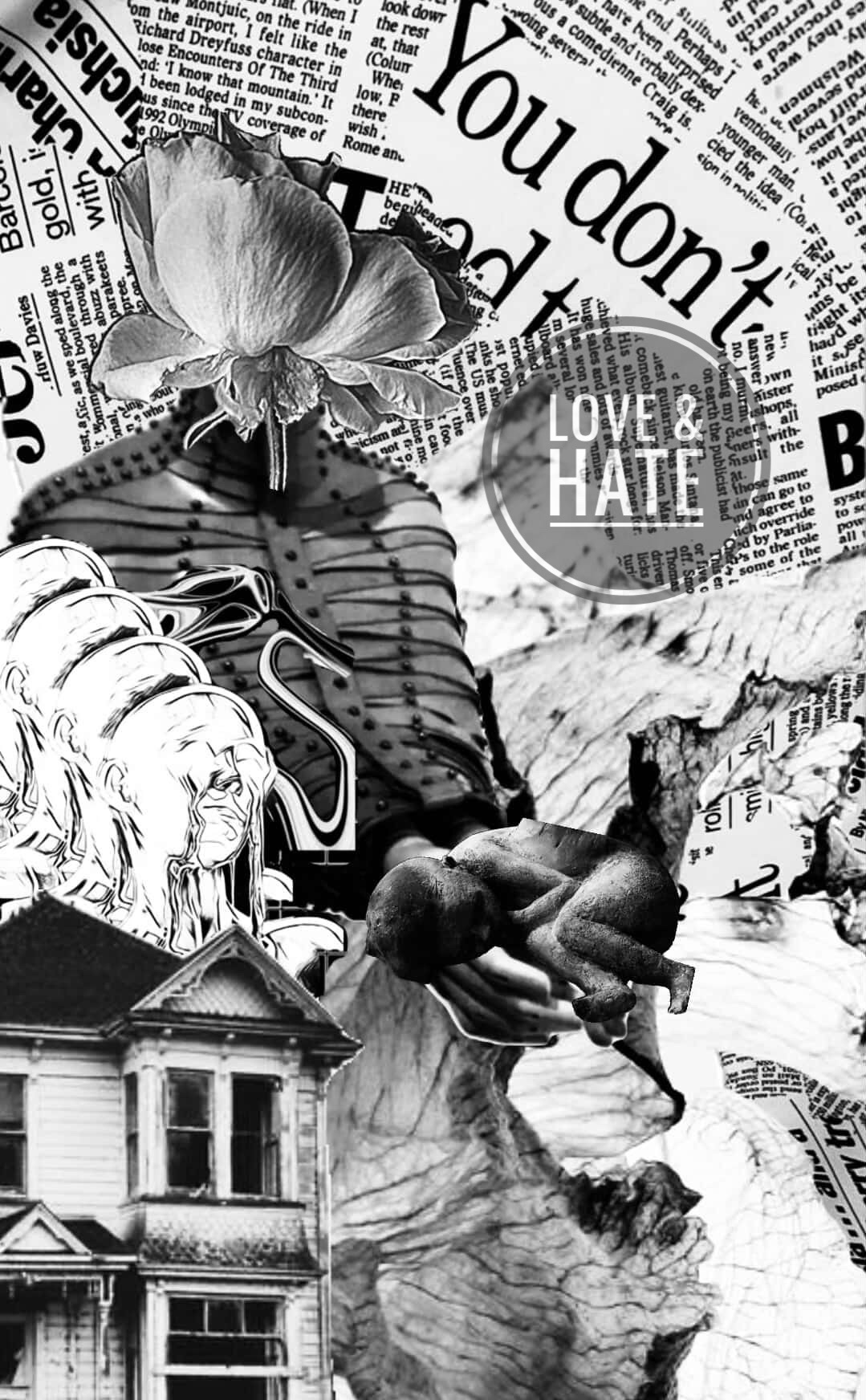
LOVE & HATE
___
Where does love end and hate begin? As an advocate of love in all its manifestations, I‘ve often found myself pondering and teetering on the soft umbilical cord of disillusionment when it comes to these emotions. I am not alone. Love & hate are siblings, —often share a room and define themselves by the company they keep. If needs remain unmet, what changes and how fast before combustion? If disappointment isn’t addressed, love and hate begin their resentful coexistence of two high volume breeds of circuitry.
I invite you to send poetries, hallucinations, uncomfortable journal entries and artworks pulled from the depths of where love & hate live inside you.
Ingrid is a poet, seer, collagist and the solitary editor of Resurrection magazine. She resides in Los Angeles, CA
___
SUBMISSION GUIDELINES
All submissions should be sent as .doc or .docx attachments to guesteditorbhp@gmail.com. No cover letter is necessary but please include a short third-person bio and (optional) photo of yourself for potential print with your submission. You may also consider including social media usernames, especially if you’re on Bluesky/Instagram– I want to promote your work!
Please state the theme and form of your submission in the subject of the email. For example: LOVE&HATE/FICTION
Submissions are open until 25th February and will reopen again on 1st March 2026 for a new theme/new editor/s.
Poetry and Fiction For poetry submissions, submit no more than three of your best poems. Short stories should be limited to 1,500 words or (preferably) less. We encourage flash fiction submissions, no more than three at a time. Send these in as a .doc or .docx file, along with a short third-person bio, and (optional) photograph of yourself.
Art Submit hi-res images of your works (drawings, paintings, illustrations, collages, photography, etc) with descriptions of the work (Title, Year, Medium, etc) in the body of the email. Files should be in .JPEG unless they are GIFs or videos, and should not exceed 2MB in size for each work. File names should correspond with the work titles. Video submissions can be uploaded onto Youtube or Vimeo for feature on our website. Send these submissions along with a short third-person bio, and (optional) photograph of yourself.
Virtual Reality/ 3D Artworks For VR Submissions, please submit no more than three (3) individual artworks. For Tilt Brush works, please upload your artwork to Google Poly (https://poly.google.com/), and mark it as ‘public’ (‘remixable’ is at your own preference). A VR/3D artwork can also be submitted as a video export navigating through the artwork. If you prefer this method, please upload your finished video file to YouTube or Vimeo and provide a URL. With either format, please provide a 150 word artist’s statement.
Non-fiction Non-fiction submissions (essays, reviews, commentary, interviews, etc) should be no more than 1, 500 words and sent as a .doc or .docx file along with your third-person bio/and optional photograph.
_______
BHP online is now in the capable hands of the amazing Ingrid M. Calderón – friends, arsonistas, send our February 2026 guest editor your magic!
At the age of twenty-four, I decided to die. I planned it all out like a game. It was like ordering a shiny dress from a catalogue. Twenty-four was the perfect age to die.
This boy lived under a low star. Sickly spell of youth. He was hypnotised by the fragile beauty of the world. A river shining in autumn in Lancashire woods. His heart was like a castle of vanity. He wondered if people threw themselves off motorway bridges because they understood freedom like no one else.
I didn’t want to speak about myself so I wrote a story. I didn’t want to hear myself think so I sang a lonely song. Nico once said, “You don’t have to be you to be you. I see that now. All the deaths contained inside, rich and plentiful as golden black.”
You don’t have to be you to be you.
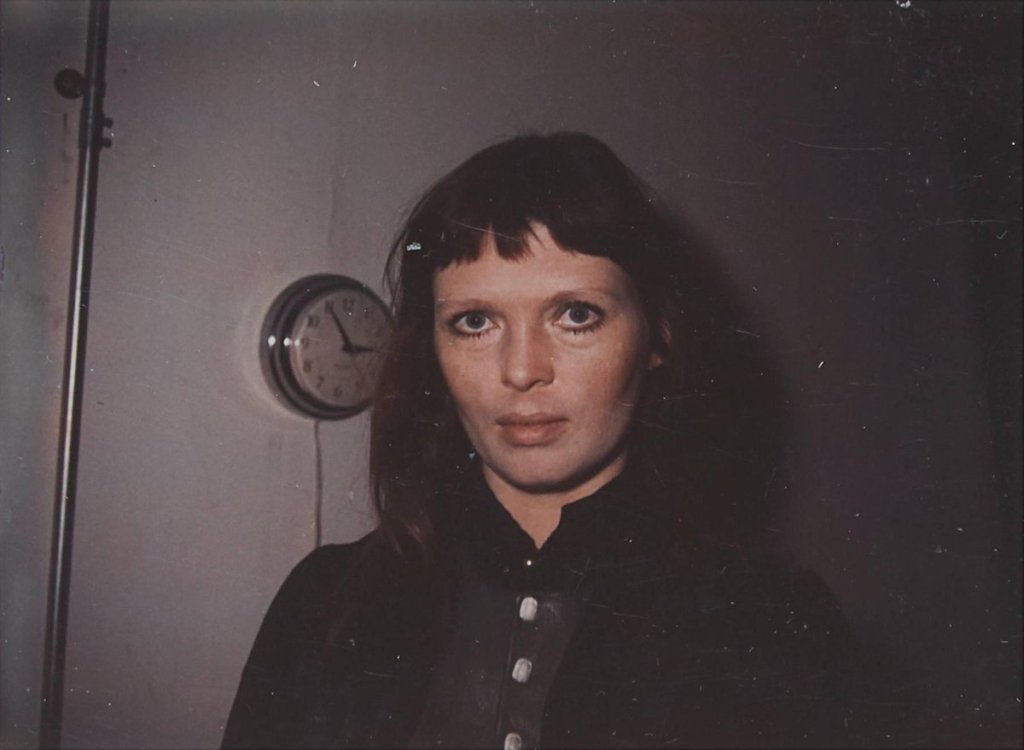
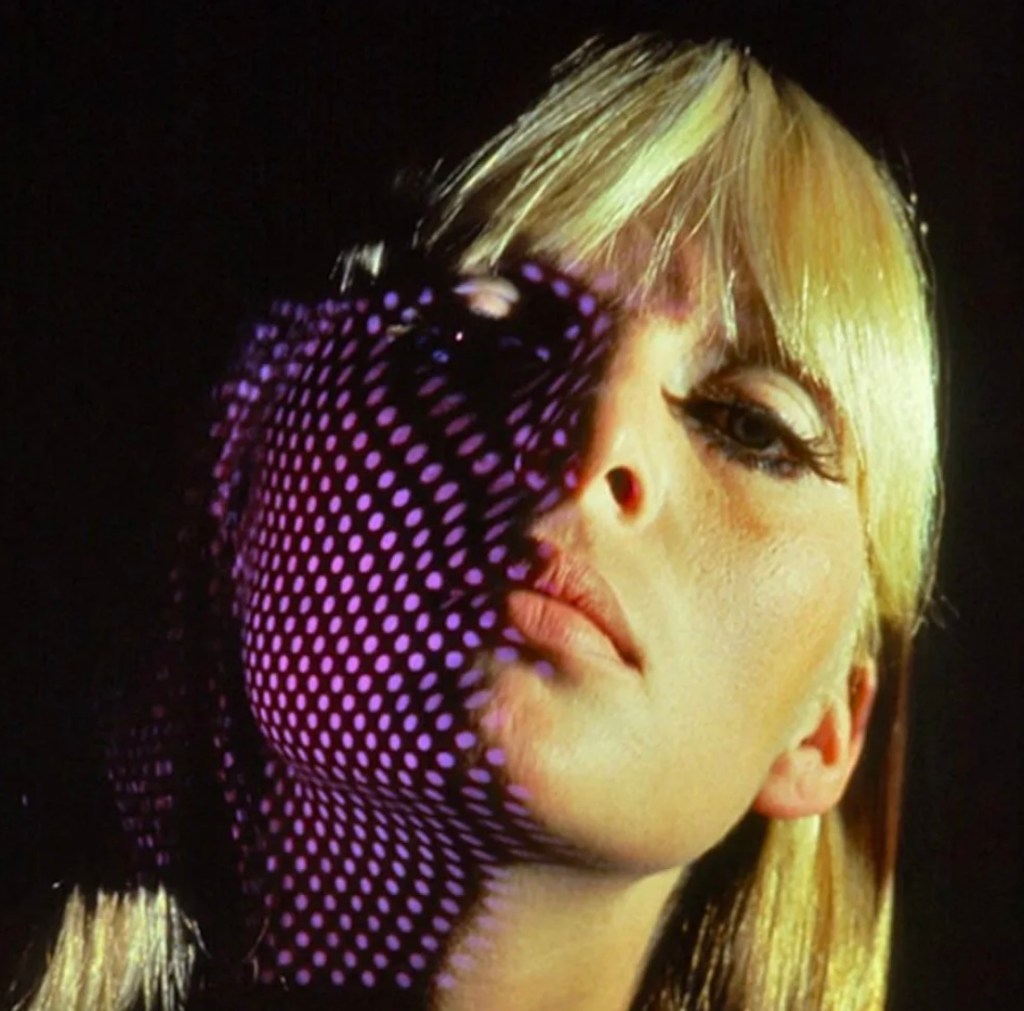
Nico by Steve Katz.
The boy, who had planned death out like a game of hopscotch, worked in an office. He wrote copy for companies about everyday objects. He spent an entire week writing about synthetic rubber tyres. Language was nothing but the accomplice of death and money. He looked outside. On the opposite side of the road was a rendering plant. They fed the carcasses of animals into enormous steel drums and boiled them into soap. When the smell began to belch into the air from endless chimneys, the workers closed the office windows. But the smell always got in and they were always complicit.
I believed I had figured out life as a magic trick. It was like when you smoke too much weed and you have the cheapest of epiphanies. It comes at you like a cartoon eureka moment. But soon, it floats away because every revelation in human history is simply a balloon in the big blue sky. I laughed. I took ecstasy pills with a beautiful friend that changed sex. We laughed harder until I threw up into the grass.
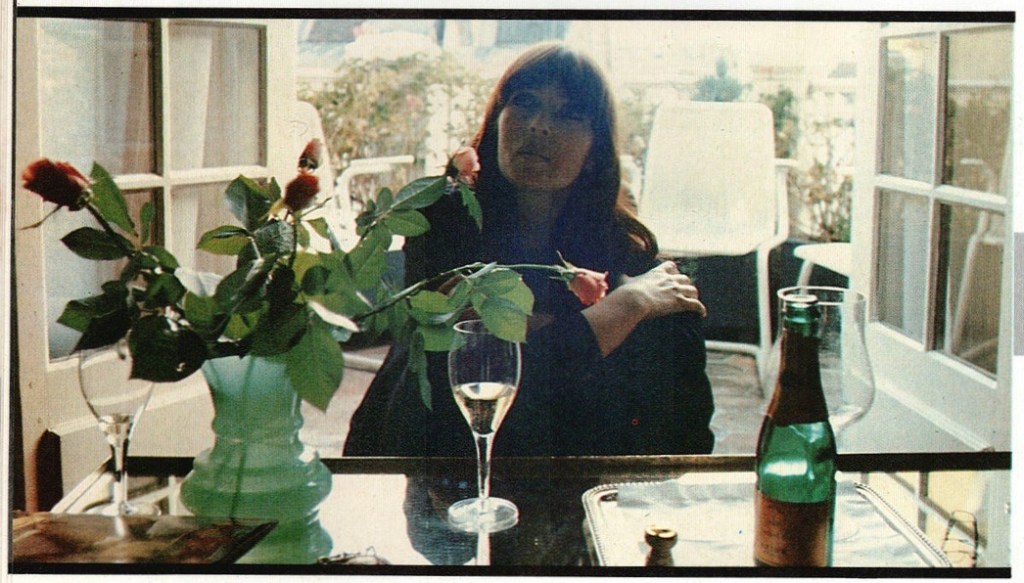
Nico in NME magazine, 1974.
Every day, the boy would walk from the office along a canal where Victorian mills rotted into dark water. Nico was a huge fan of the Situationists. Raoul Vaneigem once wrote, “Who wants a world in which the guarantee that we shall not die of starvation entails the risk of dying of boredom?” The boy wandered past enormous cocks graffitied across the stone walls, phone numbers to unknown men in unknown towns.
I never bought albums from the dead because I had the internet by this point. There seemed no reason to line the pockets of parasitic men. I was a parasite too. Endless nights downloading poets through progress bars. Low-quality mp3s like green waxing moons. The next one on the list: Nico_The_Marble_Index. The internet was a vast séance. Nico once said, “When I sing I try to imagine I’m all alone, there’s nobody out there listening.”
Across from behind my window screen
Demon is dancing down the scene
In a crucial parody
Demon is dancing down the scene
The boy was alone. He walked through barren woods in Oswaldtwistle during winter. The saplings were covered in litter. A no-man’s land of polystyrene takeaway boxes and rainbow foil. He formed a paradise inside his own mind. He was like a demon risen from the frozen earth. His grave was covered in soiled condoms and torn-up newspaper. He watched videos on his laptop of Nico playing in a warehouse in Preston in 1982, about sixteen miles west of his current location, and backwards another thirty years. Time and space came apart inside the hand of the demon. She looked bloated on the screen with heroin and fag ash. No one is there.
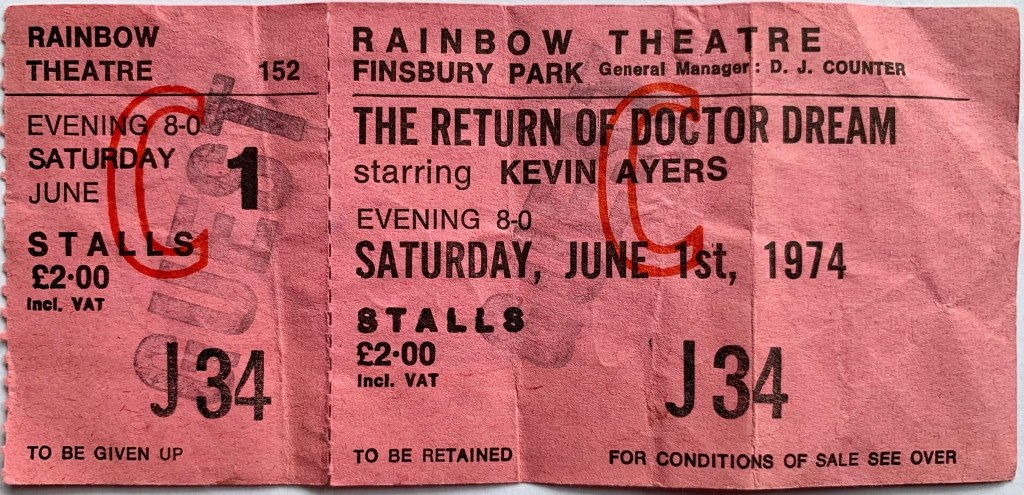
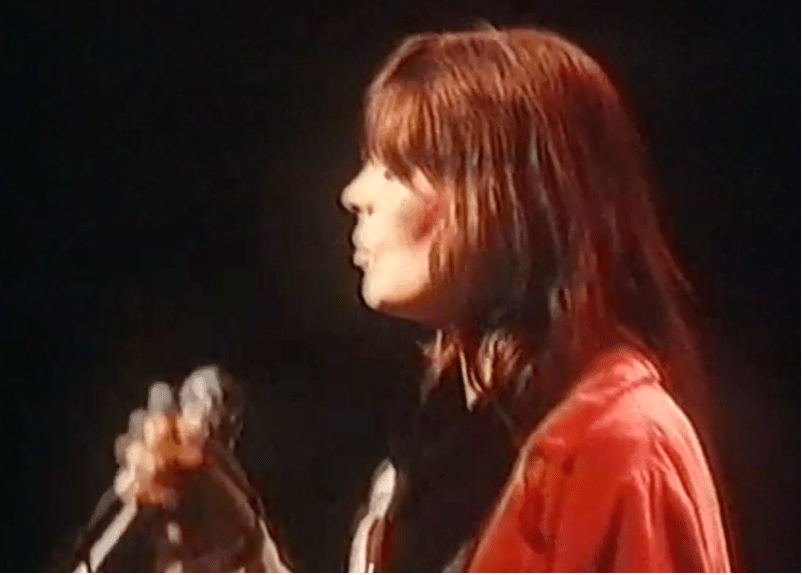
Kevin Ayers, John Cale, Nico and Brian Eno live at the Rainbow Theatre, Finsbury Park, London, June 1, 1974.
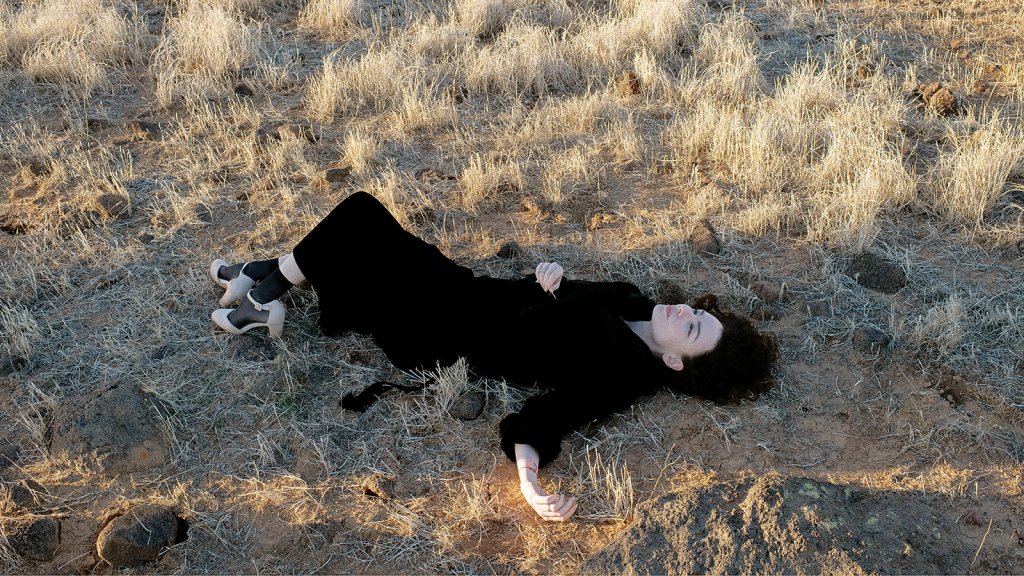
I wondered who Nico met in the Californian desert, her body unravelling from peyote like a chain of orange sickle moons. Or when she sang alone to her own shadow in a Manchester terraced house; light starting to appear between curtains as dawn stormed the crumbling walls. An emerald packet of Rizlas. A bottle of vodka shining on the windowsill. Someone’s hand turns a tarot card over on the kitchen table. The Chariot. A king holding a red glowing orb. Nico once said, “A poet sees visions and records them.” I imagined that Nico met a version of herself in the desert. She took off her clothes and led in the dust with this other version of Nico. She kissed her on the lips. And then slowly, beneath the opulent sun shining like a black flower of death, the other Nico whispered a number of secrets into her (the original Nico’s) ear. When Orpheus returned from the Underworld, he was covered in bright red earth.
A true story wants to be mine
A true story wants to be mine
The story is telling a true lie
The story is telling a true lie
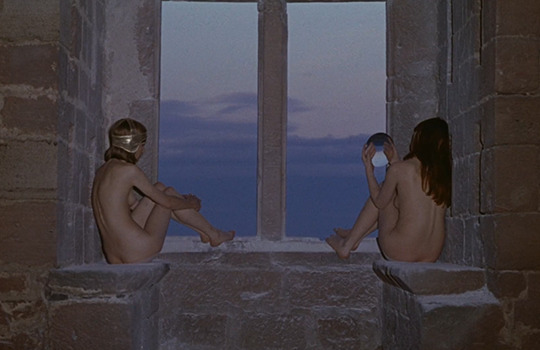
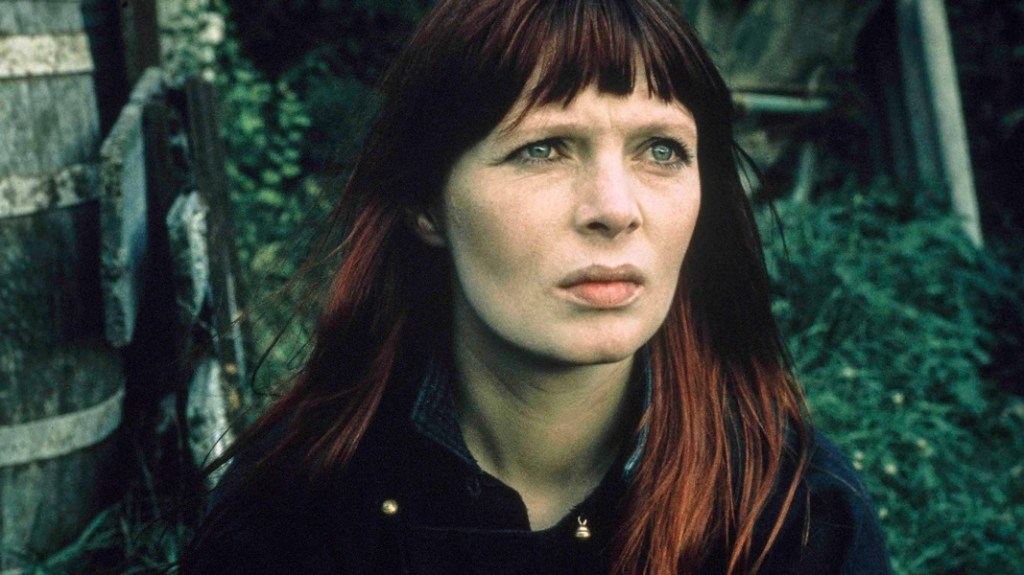
Athanor (1972) still.
The day came when the boy had planned to die. It was a dull day, just like any other. Cars streamed beneath his window. But the day simply passed him by. He wasn’t sure why. He was like a cloud or a ghost that didn’t matter. In a 1997 interview, when asked about the initially low sales figures for The Marble Index, John Cale replied, “You can’t sell suicide.”
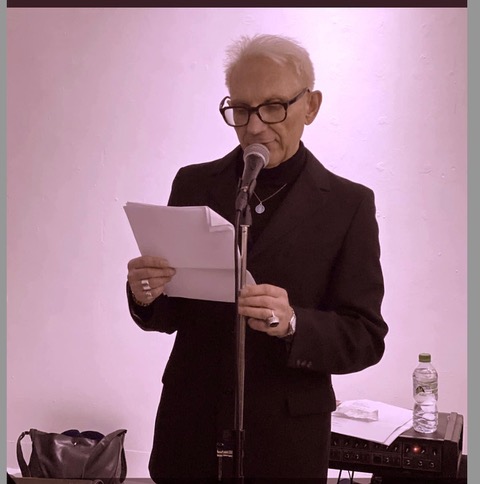
The boy wrote down a story that was a true lie. He searched YouTube for all the comments that others had left about a dead singer and stitched them together. He stayed on stage a few moments longer as the audience grew restless. They looked at their watches and coughed and rolled their eyes. Beneath an artificial light, he approached the microphone and read a poem for Nico.
an electric blue current
a leopard in the air
an android serving macrobiotic rice
with tabasco sauce
who forgot to pay the light bill
and lived happily in the dark for a month
Ari watching his mother
putting makeup on in the mirror
illusions of our images becoming permanent
a son growing into an emperor
in a scarlet tunic
rising through a worm hole
red chariot across night sky
love is like a big cloud
a prayer or a song
raining down on you
in the middle of an apocalyptic movie
before the solar flare footage
in the forest above the water
where her grave lies
painted in crystal
she woke up at the end of time
smoked some grass
and went for a ride on her bicycle
an electric blue current
a leopard in the air
Matthew Kinlin lives and writes in Glasgow. His published works include Teenage Hallucination (Orbis Tertius Press, 2021); Curse Red, Curse Blue, Curse Green (Sweat Drenched Press, 2021); The Glass Abattoir (D.F.L. Lit, 2023); Songs of Xanthina (Broken Sleep Books, 2023); Psycho Viridian (Broken Sleep Books, 2024) and So Tender a Killer (Filthy Loot, 2025). Instagram: @obscene_mirror.
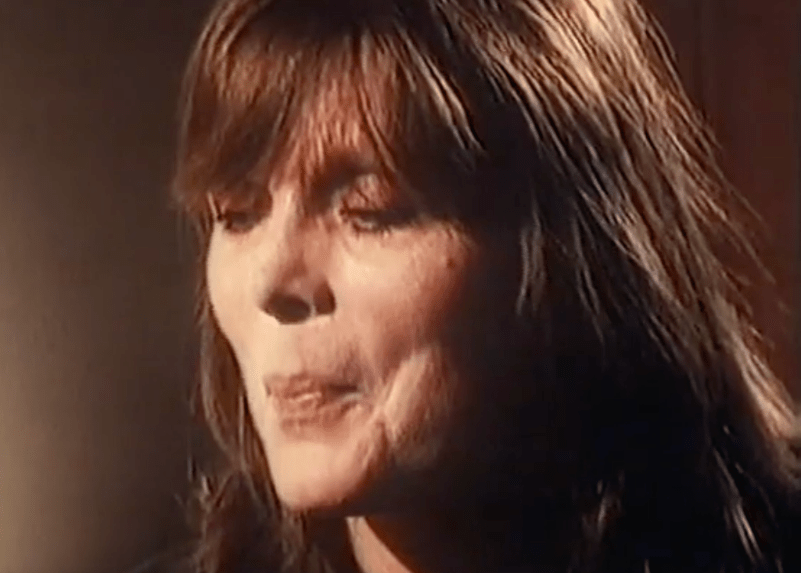
An interview from 1985, in Belgium, before or after a show where she performed My Funny Valentine with a drink in her hand, swaying and looking up into the lights.
The lines around her eyes and her easy smile. The lines around her mouth and her serious eyes. Her browned teeth.
It feels like every beautiful woman I know, whether in her twenties or her fifties, has recently tried to engage me in the talk about botox and fillers and surgery.
I don’t know what other women want from life, or why so many of us can be so easily fooled into hating time or pretending it away, but I end up saying the same thing over and over again, no matter where the talk goes:
I just can’t do it and there is really only one reason why:
I have never, ever, ever—never even once—looked at another woman and thought “she’d be beautiful if only she had no wrinkles, she’d be beautiful if only her eyes weren’t hooded, she’d be beautiful if only her acne scars were erased, she’d be beautiful if only her flesh were stretched tighter around her bones.”
And if I don’t trust my aesthetic intuition, what kind of an artist am I? If I let them convince me that someone other than me decides what I find beautiful, why bother ever writing another word again?
I know this is why artists are monsters. It’s why I have always been a little afraid of myself. But our lives are our works of art. We will eventually arrive at the moment when we can no longer deny it. For most it’s on the deathbed.
Just watch Nico talking and singing in 1985.
The 70s were a broken bridge, she says. She’s not excited by the fact that every band since the late 70s has listed The Velvet Underground as a significant influence. Why not? asks the interviewer. Because it gives me the feeling that I’m stuck in the 60s, she says. And the 60s and the 80s are too much alike already, she says. But why? asks the interviewer again. It’s the same paranoia, the same fear, she says. But the 70s were really different, she says. And they were a broken bridge. World-weariness overtakes her face, sorrow glimmers at the edge of her eyes.
She is otherworldly calm as she answers questions, as though she’s somehow had a long time to search her life and arrive at her responses, but this is no rehearsed interview. She can stop time with her presence, and so she doesn’t need to pretend that she’s not in time—aging—with her face or the rest of her body.
This interview has unnerved me. It’s what I can and cannot see in her eyes.
I’ve thought about it for days, feeling something emerge within and around me. Something distinct and real, like its own entity. I’ve let it exist as a kind of haze around me, until this morning, when it took shape. It’s this:
if there’s one thing I can do for my daughter (by which I mean all of life, the ‘future’ itself, the potential continuation of humanity) it’s that I can show her (us), with my life, that time is not to be feared. That life is not to be feared. That sorrow and joy are not to be feared. That moving through this mysterious game in which laws of time and gravity and space contain us is a wonder to behold. And to play. Simultaneously. In it and unafraid to also be of it.
A friend asked me, But what about her cruelty? The terrible things she might have said?
I don’t know why, or if, Nico has said the hateful things some say she said, but I know that we all know hatred in our own very personal ways, and we’ve all seen what it’s like when hatred has too firm a grip on someone who has usually been able to keep it in check. This is perhaps the lesson of now. Moving through time is not easy. It excuses nothing, but it’s true. This fact is on our faces and in our eyes and our necks and backs and hands and hips. And in every word we utter.
Maybe today I’ll visit her grave in the forest.
Lindsay Lerman is the author of two books, I’m From Nowhere (2020) and What Are You (2022). She is the translator of François Laruelle’s first book, Phenomenon and Difference. Her short stories, essays, and interviews have been published in The Los Angeles Review of Books, New York Tyrant, Archway Editions, The Creative Independent, and elsewhere. She has a PhD in Philosophy from the University of Guelph in Ontario, Canada. She lives in Berlin.
From the name down – the king’s town – there’s a kind of colonial imposition. Rather than any big industry, it’s a city built around a series of big institutions. There’s a university, a teaching hospital, a college, a military college and a military base. There are also nine prisons. The old institutional buildings are made of local grey limestone.
I was there from 1995 to 1999. Kingston isn’t that far from Toronto or Montreal but I felt isolated from both. It’s a small city. There wasn’t much radio or internet. The only local TV station showed bingo every Saturday, endless hours of one person calling out numbers.
So culture came through friends. We’d lend each other books and music. We’d watch films together. Something would come up in conversation and I’d write down a name or a title.
Over Christmas 1997 I was visiting a friend in Toronto. She gave me a cassette she’d made. Nico’s The Marble Index on one side, a compilation of shoegazey things on the other side. She handed it over casually, maybe I’d like it.
At the start of January 1998 I listened to it driving on the 401 back to Kingston. Some of the music made me feel anxious, like it was out of sync with itself, like it was going to lead me into some sort of hideous car crash. The words of ‘Frozen Warnings’ were another caution. But the music under those words felt hopeful, coalescing into a sort of harmonious pulse as I drove across the flat grey landscape.
Frozen warnings close to mine
Close to the frozen borderline
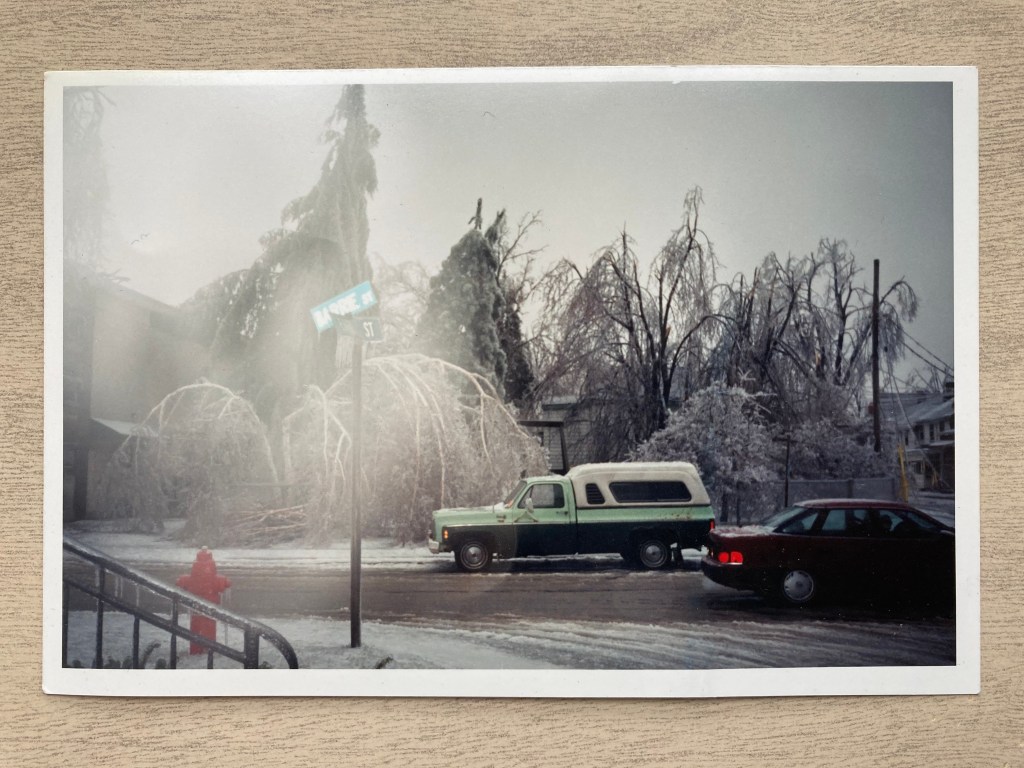
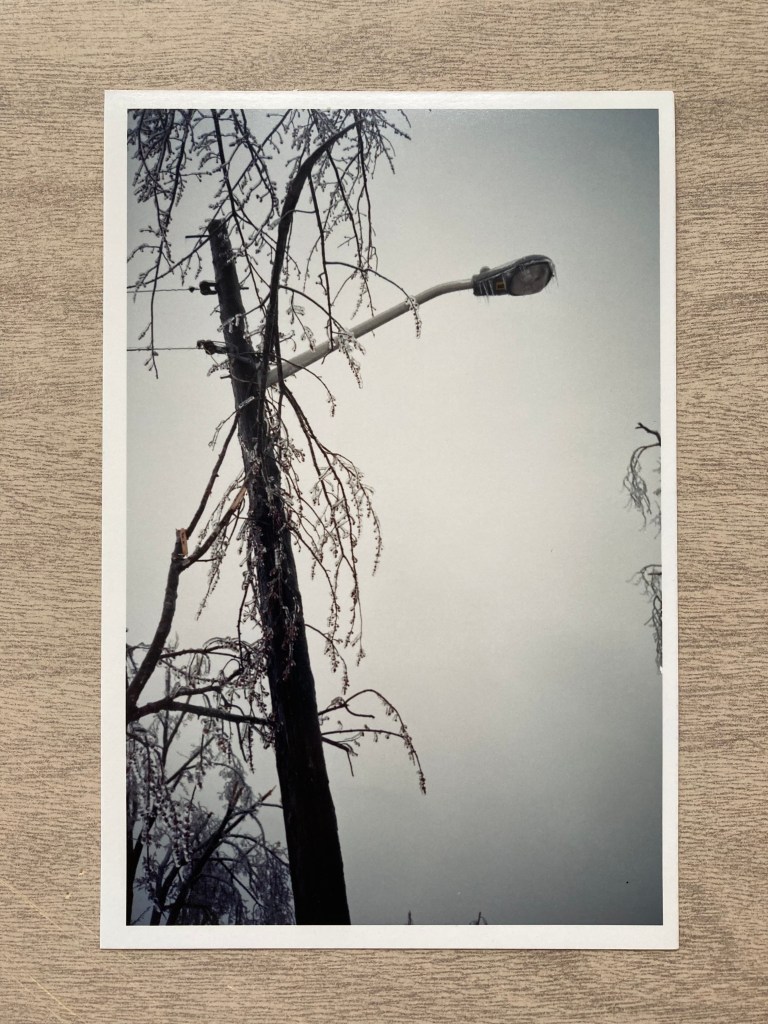
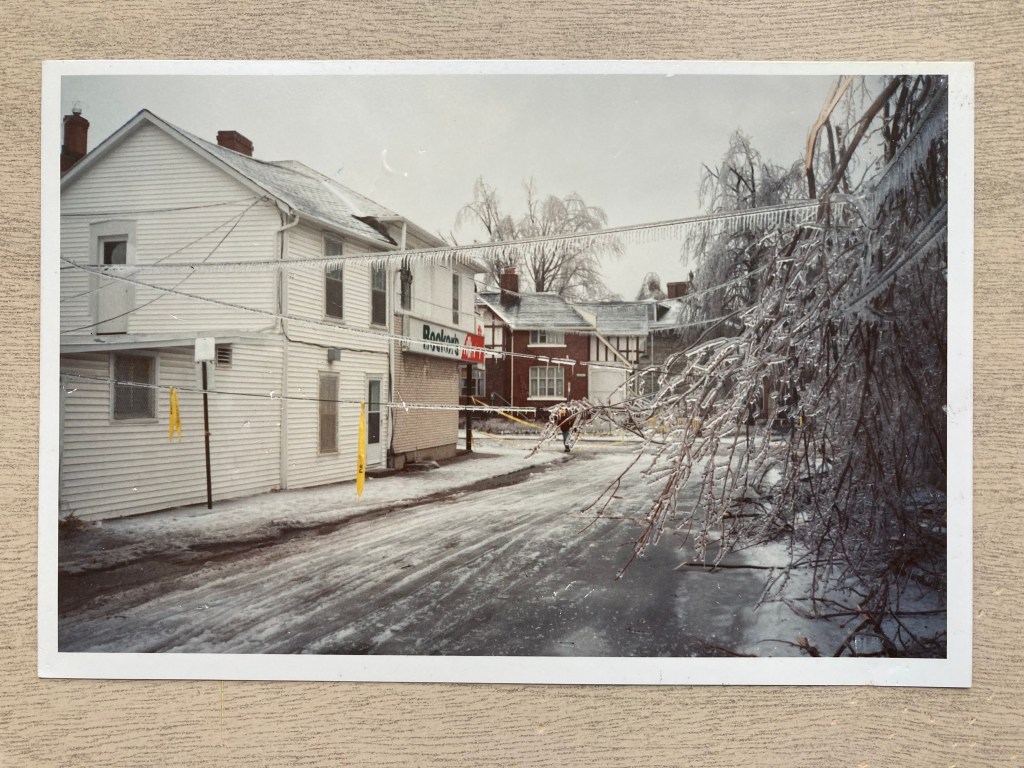
That week it was cold in Kingston. Too cold to rain but it started raining. And then it kept raining. It was an ice storm, a rare weather phenomenon where precipitation falls as liquid but freezes on contact with the ground. Or a tree branch. Or a power line. If conditions stay cold the ice just builds up. On the third day the electricity went off around 9pm.
I was on my own, everyone else in the house had left town or crashed with friends. Even our cat had been put in a carrier and taken to a parent’s house. But I’d been too slow to get away.
I managed to find a candle and a lighter in the kitchen and make my way upstairs. There was nothing to do so I put out the candle and got into bed. My room was on the second floor, facing onto Montreal Street. Everything was invisible in the darkness now, but there was a small churchyard with tall trees opposite. I guess the ice just got thicker and heavier and eventually each branch had a point where it couldn’t be supported. I listened to the trees falling down.
I never imagined a disaster would be like that. There were no sirens, no screams. Just things collapsing under a few centimetres of ice. The world stopped by slow processes of relentless accumulation. It was dark and somehow I fell asleep.
From without a thousand cycles
A thousand cycles to come
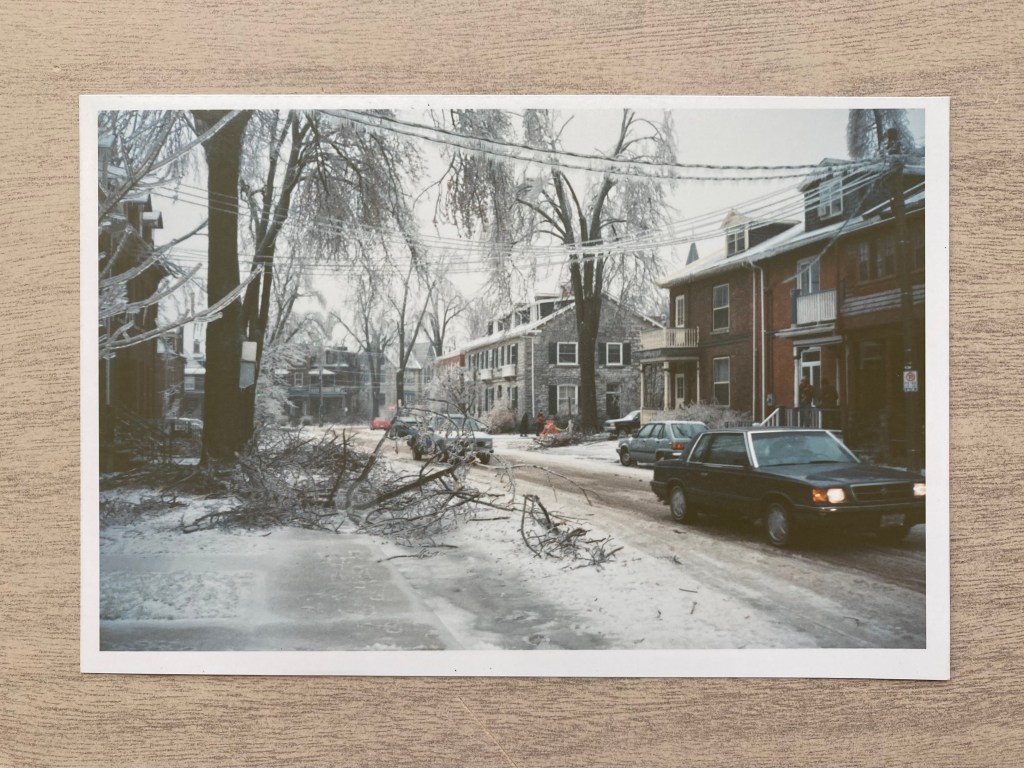
The next morning was grey but bright, the rain had stopped. The entire city was encased in ice. Completely hazardous but also beautiful. The front steps, the railing, the sidewalk all like glass. On the street the safest place to walk was down the centre of the road. Hedges crystallised, every twig encased. Birch trees arched double, their top branches touching the ground. Cars crumpled under fallen maples. I took detours to avoid the power lines draped across the road.
At the university campus there was electricity. I had some coffee and hung out at the art building for a while. A few people had stayed over on sofas in the studios. I found my camera there, and took some photos on the way home. By the time I got to the house the power was on there too.
The house wasn’t too cold. I put on the tape of Nico in my room. As it got dark again I remember ‘Ari’s Song’, so terrifying and reassuring all at once.
Sail away, sail away, my little boy
Let the wind fill your heart with light and joy
Somehow the unknown didn’t seem that bad. For the past year I’d had a profound feeling of being stuck. Maybe I was in the wrong town. The wrong university. Some of the people on my course were my closest friends – they still are – but maybe it was the wrong course.
In a roundabout way, Nico had led me there. In school I’d seen pictures of her with Andy Warhol in books about Pop Art. I loved The Velvet Underground & Nico albuminstantly. I’d imagined art school as one long Exploding Plastic Inevitable. But happenings weren’t really happening in the small art department of a conservative university.
Too often our professors had that peculiarly Canadian censoriousness – that anything sexual was pornography, that weirdness and vulnerability were kinds of weakness. It’s so unhelpful when you’re 21 and trying to figure out what you want to do. I’d swing between different reactions. Sometimes I’d paint a perfunctory still-life. Other times I’d write expletives across my studio wall. Neither approach really lead anywhere.
I’m not sure I believe in self-expression, but any sort of sustained work has an element of obsession. You set yourself a problem you can never completely solve, and the joy is in coming at it from different angles again and again.
Can you follow me?
Can you follow my distresses?
The winter became a normal winter. The ice melted and branches were cleared away. It snowed and that snow melted.
I started making paintings of Kingston. I walked around taking photographs of all the buildings that I found oppressive. The Plaza Hotel strip-club on Montreal Street. The Econo-Coin Laundromat where I’d have to wait for hours. The concrete bulk of the Princess Towers looming over town. The canvases were primed in black gesso, then oil paint, building up layers of cold earth-tones and sludgy greys. All the skies the colour of dirty snow.
I even started driving around the city looking for other buildings to paint. One day I kept going into the country and found myself in a strange place. Along one side of the road, what had been a pine forest, but with every tree snapped off at the base. Now a field of jagged stumps. On the other side there was a steep gravel embankment falling away. At the base of the slope where the gravel met the grass there were about a dozen coyote skeletons. The bones clean and white so not so new.
Back in the studio, I listened to The Marble Index on headphones as I painted. Music is great while working but it’s not like the painting will necessarily transcribe a mood or translate sounds into pictures. It’s just a way of tying up those verbal and rational bits of your brain that might get in the way.
In the morning of my winter
When my eyes are still asleep
Across the songs there was a weather in the lyrics – frozen and windy, with rain and snow. The same weather as Kingston. Sometimes the music almost seemed medieval, but then the strings would screech like car alternator belts on a cold morning.
I loved the album so much but for some reason I never played it for anyone there. It was a private space. I didn’t want anyone to laugh at its extremes, and I don’t think I had the language to defend it. No-one else ever coyly mentioned that they’d been listening to Nico.
Walking home one night from the art building I found our cat a few streets from the house. She was wandering around in the middle of an intersection. It was quiet. The traffic lights were just flashing because it was so late. I scooped her up to carry her home. She settled into my arms and purred.
When I finished the new paintings of Kingston I put them up in the hallway outside the studio. I was happy with them. They’d started in frustration but they’d become more open than that. Maybe they still looked like student work. But there was something there, something that relates to the paintings I make now. The simple volumes, the tonal palette, the specific and familiar buildings.
There’s nothing more to sing about
Not now or when they carry me away in the rain
Now, all these years later, I really want to find the tape. The cover made of a folded photograph of clouds, the titles written inside. My fingerprints in oil paint on the clear cassette. But maybe it’s long gone. I did find a box with my photographs of the ice storm. Shot on colour film, a little underexposed. They miss some details but catch the disorder and the cold of that day. There was also a photo of the cat in my room, and this reminds of how that winter term of art school ended.
One morning in April, we heard a horrible yowling right outside our house. Our cat had been hit by a passing car. She was conscious and alert but unable to stand up. The next few hours were a blur of getting her inside, phone calls to vets, trying to make her comfortable, driving to one vet, then another, and then finally the tough decision to put her down.
Afterwards we drove to the spot with the broken pine trees. We parked on the side of the road. The three of us made our way down the embankment awkwardly, carrying the cat. We found some branches to serve as a marker. We dug a hole at the edge of the gravel and buried our cat beside the coyotes.
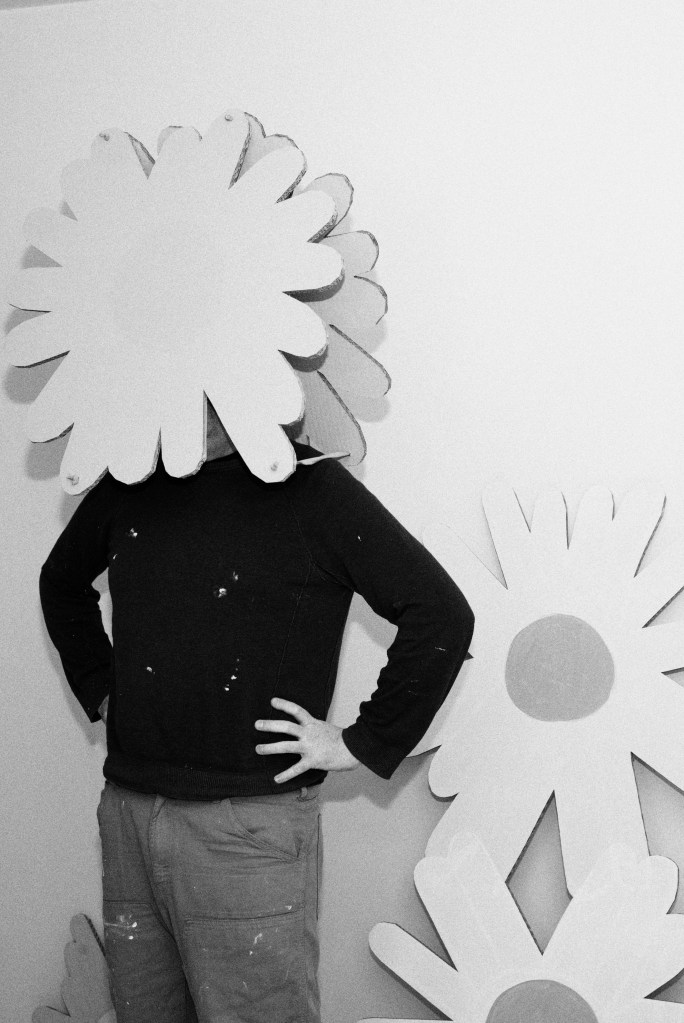
Mark Beldan is a London-based painter originally from Toronto, Canada. His work explores the strangeness of familiar places and things. Often painting small houses, in 2025 he also made a stage set of big flowers for the dance company Corali.
Earlier this year, I was asked to discuss Nico for a film to accompany a version of Femme Fatale on an album released in support of the Teenage Cancer Trust.
I talked on camera about my friendship with Warhol silver Factory photographer Nat Finkelstein (his picture of Lou Reed features on the back sleeve of the VU and Nico LP), who I stayed with in NYC over one crazy summer in the 80s (fictionalised in my novel Looking for a Kiss). He hated most of the Factory crowd, but respected Nico. I also talked about the strongest version of her voice – a new poetry of bleakness and sorrow – found on Janitor of Lunacy from the LP Desert Shore; and the pre-historical pagan magic (definitely disorderly magic ) that filters up in Evening of Light – my favourite Nico song – soundtrack to a short 1969 film featuring a young Iggy Pop by director François De Menil.
I also asked: where do the midnight winds go?
And I thought, and still think, about:–
Chelsea Girls on a slow/fast loop, with screen-printed souls, silver fluorescent haze, ghosts of Superstars in broken looking glass. Femme fatale in a turtleneck of shadows, lip-curl velvet, existential bravado – Nico; the kind of person you meet, in whatever way, and emerge transformed to some degree.
Beat drops. Patti-Smith bite. Siouxsie eyeliner like a midnight scythe. Clash-cut rhythm, downtown hymn – 1976, first time her voice slid into my room – contralto made of smoke, from ash and cathedral shadows – a voice too low for the baby-girl 60s, too dark for the sunshine pop factories. A voice like the world’s last cracked prayer.
Old Europe twilight. Disorderly Magic forever.
Nico sings like snowstorm silk, atonal, androgynous, thick with centuries, thick with Dresden flames impossible to forget. Wearing beauty like an insult and tossing it away like a match – one that lit bonfires. Beauty denounced as casual tyranny – darkness as armour, mystery as oxygen. Feeding flames.
And style as wound, wound as song, and song that can outlive every/any man who ever tried to claim/tame/shame.
Iggy said she taught him Beaujolais and art-school tricks disguised as lullabies. He filmed her in a field for Evening of Light, a crack-between-worlds moment where mandolins ring to viols singing, and the midnight winds land as warning. Berlin-ashram meets Michigan-gutter. Music collapsing into beautiful violence. A tribute wrapped in awe, and regret, and the kind of affection and affectation, too, that can only exist between two people who might survive, for however long, their own mythologies.
A shining light for every singer who ever needed to drop their voice below pretty, or permission; or anyone who felt that a woman doesn’t need to shine to illuminate; and who treats beauty as something breakable, burnable, something you could set down and walk away from without saying how very sorry you are; above all anyone who wants a different way to carry their own shadow.
And I am hearing dreamscapes full of dark echoes and erotic street energy. Cosmic ennui that reflects the myth back to the crowd like a funhouse mirror. In a voice that comes from somewhere deeper than the throat – somewhere prehistoric. Silence that knows too much. Whispered in harmonium breath and lullabies sharpened into razors.
Midnight winds circle.
I am also thinking 60s/70s Avant-Garde/Berlin School harmonium drones, tape hiss, proto-industrial rich deep minimalism, European nocturne atmospheres. Cold wave pulses, cabaret limelight dimmed, war-memory spectrality. All of it transposed over the years to Ibiza, New York, Los Angeles, London et al as a poem that moves like a Super-8 reel found in a basement in Kreuzberg, or somewhere like that. Yes, begin with a hiss. Analog snow falling across a broken tape. A low oscillator trembling. A train leaving some empty cold station at 3 a.m. – slow, metallic.
Then: contralto voice carved from coal-dust. The sound of a city learning to breathe after the bombs stopped but before the memory ever could.
Pulses flicker – messages to forgotten futures. Where the streets are half dream, half gaping wound, and art is the only currency. Reverberation as survival strategy.
Christa Päffgen, with Factory scars under her coat, Warhol apparitions, spirits and spooks deep in her pockets, and a harmonium strapped to her soul as life and death-support machine. Dressed all in black because colour is hope, and hope is sin.
This is not pop. This is architecture. Built from absence, steel, and memory, perhaps. Nico steps into the drone. War Memory as Original Drone. Repetition becomes revelation. Revelation as trance. Grammar of ruins turns into ritual.
I thought, and am thinking, about slick pavements, streetlamps rattling and failing like old ballroom pianos struggling to project their tone. In the silence between footsteps you can hear the rumour that darkness is not the absence of light but the cradle of it – and that some voices do not break – they remain unbroken, untranslated forever.
Where do the midnight winds go? To the end of time, of course, honey, to the end of time.
Richard Cabut is a London-based author, whose CV includes the sister books, the popular work of modern literature/poetry Disorderly Magic and Other Disturbances – ‘subterranean scenes, picturesque ruins, neon glowing, Chelsea Girls, the damned, the demimonde, the elemental, being on the edge of being pinned down by our ghosts’ – and Ripped Backsides (both Far West Press), a dreamlike, dislocated and fragmentary Situationist drift through the noir cities. Also, the Freudian 80s cult novel Looking for a Kiss (PC-Press), which has been adapted for screen. And, Punk is Dead: Modernity Killed Every Night (Zer0 Books).
He’s also a journalist – ‘NME, BBC, anarchy’ – a former punk musician, a cultural theorist, playwright and long-time chronicler of the underground. richardcabut.com
Bless us, St. Nico, we who need a mirror when no one else on earth understands. Save us, your flock, from threats of dreaded normalcy. Especially faggots like me – reared in the deep, rural south, suffering through adolescence starved for a savior anti-Madonna fierce enough to hold her own. We once were lost but your evening of light helped us see.
Give us strength these days to confront unforgotten failures on our own. Your mercy doesn’t wash away the sins but instead lends credence and visibility to our disgrace. Through no intention of your own but because of who you were then, are now and will forever be, you are canonized as a patron saint to jilted lovers, downtrodden vagabonds, misunderstood, unwitting geniuses, the woman underestimated by men of art and industry. You remain many things for many people, yes, again, even an impetuous, lowly faggot like me, and so many more who find themselves on the other side of popular prayer.
Never one to be eclipsed or upstaged by so many men with half your divinity and faculties, you showed us a path to perpetual salvation. And though the road leading to the lawns of dawn be paved with the best intentions that trick the feet with false feelings of comfort and success, your gospel grants the reassuring guidance necessary to leave overdrawn caresses as we continue our pilgrimage through this travesty called life.
And through thorough examination of your documented life journey, we find that you had faults of your own, all too common prejudices of your day and age. You, too were human. Too late to forgive and too grievous to forget. We address your own sins to show how failures of flesh and mind exist even in the holiest of people. Base level skin and bone shells are capable of only so much. With this recognition we more easily see our own faults and become grateful for what life we have left to correct our mistakes and right our wrongs. We add a prayer here for you, St. Nico, that you have or will realize and reckon with these trespasses.
Your art, Elysian. Your influence, limited but crucial for us who know…we, the innocent and vain. We’ve got the gold and with this transmutation we now have a way to wrap our troubles in dreams. May our holy headphones make us mediums for your message of insouciant misery, your promises of ways around instead of directly through adversity with little confrontation.
We close this prayer to thee, Teutonic saint of uncompromising individuality, with waves of gratitude lapping at your detached, disinterested and icy shore. You come into our lives when we need you most. You offer salvation in the form of an unfeeling monotone that warms when we recognize a shared__________________. You imbue us with the power to suffer, resilient and beautiful, any hardship the world throws our way. You point us in the truest direction, we see and go wherever your gaunt fingers command. All this and much more which we will never be truly worthy. You fell on accident and hemorrhaged for our sins. We know this and we hate ourselves for this interpretation. Solace comes when we listen to your songs. Forgiveness comes when we sing along as if these hymns have the power to restore. Transcendence comes when your droning voice overshadows our own and lifts us up with you in heaven before sending us crashing back down to reconvene our suffering here on earth. But highly blessed, strengthened and remade by your redeeming grace.
And the people said: My Heart Is Empty
Jarrod Campbell is a writer living in the northern Virginia suburbs of Washington DC. His fiction, essays, poetry, non-fiction and reviews have appeared in print and online with Heavy Feather Review, Northwest Review, Boner World (Berlin), Modern Literature, and more. A collection of short stories, The Reason I’m Here, (Stalking Horse Press, June 2023) was named an anticipated LGBTQIA+ read by Lambda Literary the month of its release.
Still from the film Athanor (1972) by Philippe Garrel
In the dark room at night, the walls enameled black, so dawn arrives as a violation, she smokes. She smokes without conviction, almost without need, but then deeply as if to prove something to herself. Flicks the butt into the grate of the ruined fireplace, heaped with little cartons, each cigarette emptied and smoked, each added to a mountain. A plate of ashes. She makes sure, twice, that her cigarette is extinguished before she does this. Philippe scolded her. Ari found one smoldering and rubbed it out on the floor. How could Philippe be angry? When they moved from the Montparnasse Hotel into this apartment, he gutted the place, tore out the twentieth century and some of the nineteenth too. Gone: gas, electricity, hot water, heater, lighting, furniture, carpets. A penitentiary but there are no locks.
She yearns to go back to New York though nothing good comes to or from there. The not-good is familiar. She needs that now with her mother dead. Can still smell the air’s heavy scent in the room where she knelt before the empty bed and cried. She hadn’t wanted it to be like that and knew her aunt Helma blamed her for not visiting the last two years of her mother’s life. It had always been hard, then became impossible. The immobility she feels now, lying in bed undead, waiting for light to come in the room and peepshow the mess. Philippe shifts beside her, groans. They are covered by his overcoat which doubles as mattress and bedding, sleeping partly on it, partly on the floor, the faint smell of piss. Ari makes sounds across the room, asleep or awake, she can’t tell. She’s never alone lately but never accompanied either. Everything has fallen to repetition. They score, they get high, they have no money, no need for food after they’ve fed, only to make certain the boy eats, he must eat. Then they go to museums or wander the docks, up and down the same streets of Paris. Was it last week or the one before—prior has no hold here, all is prior but there is no history, only the past—that she saw someone, a London person from New York, who startled at her appearance and said what did you do to your hair. The blonde dyed crimson, bluntly cut. You like it, she responded, nearly leering, surfacing from the not-slumber, suddenly awake on the street in the face of that collaged ghoul made of the spare parts, all mean, all pushing, all saying her songs weren’t good, she needs a manager, she needs to be blonde again, she needs better clothes, not these ugly robes and caftans Philippe sewed himself for the film. The film! They hate it, just the idea of it. A woman and a man and a child in the desert, shot across three—Sinai, Death Valley, and Iceland. All blend together to her. She knew they weren’t one. Each had its own qualities and peculiarities, but like people, places were mostly the same. You met one or two and you’d met all of them. The man on the street, upset or disappointed by her appearance, had scurried off, back to his little life, perhaps some lunch in a café. The thought made her feel ill.
She would get back to New York and show them, she would book some gigs. She practices the harmonium every day now and she has new songs. The best she’s done, she’s sure, or thinks she’s sure, but can already see the faces of Danny and Paul and others who will tell her what is wrong with them, not knowing they are about her mother, Jim, the deserts, Brian’s death. Misadventure by accidental drowning, the coroner’s report stated. She knows no accidents and no misadventures. Dark spirits, yes. A man goes for a swim and never surfaces as himself again. A woman in a bar, her face cut, a fury and a glass thrown and stitches. The voices of New York, seeing Lou in a rehearsal space, having to flee, first to New Jersey, then the country. Shows canceled. Back to this room. Can she ever escape this room. Will she look over and find Ari is now a man and Philippe is dead or nearly, and they will still get up and find dope and not eat and wander the streets and walk the docks and pretend to see new things, pretend they are attuned to things other people don’t register. And the people don’t but they do see two junkies and a child and worry for the child and maybe they will do something about it or call someone to do something about it. Maybe they will make a problem, make her become a problem. Then what, when someone appears to ask about the child and she doesn’t even have blonde charm now, or good skin. Cheekbones still but hollow not haughty. This is why Ari must be a man. It is better for twenty years to pass this morning, the hour before dawn or is it. The black night and room seem to have changed a bit, added a bit. Not the usual things she sees on these mornings. Not the nights Philippe taught her to liquefy and use the needle, not broth and Coca-Colas in the palace, not the circle of fire in the desert and the boy unable to cross it to his father, not all the words she wrote only moments before she spoke them to the camera, the way time slid in and out of view in those long shots, hours stretching, and one day no longer waiting for Philippe to yell cut, just riding, swaying slightly on the horse’s back, the sound dropped out, and the sky grown dark but never like the room or the nights here. A vast star-punched ongoingness. Her mother’s bed in the sand, Ari the boy hungry always hungry, Pierre Clémenti naked and ranting lines, a pleasant body, good cock, eyes like Brian’s, Jim passing in his car not recognizing her, a box of books beside him, then the news of his death later that night, the long line, the drone she had found she could follow and it would vary, it would create the sound she craved, defeat. No one else heard it. They heard failure. Defeat is not failure. It isn’t surrender. There is no grace or wisdom or beauty in it. Defeat holds itself. A friend at last. She wants another cigarette. She can make out the outline of the pack. Dawn but not yet light. One more cigarette before the day again.
Nate Lippens is the author of My Dead Book, Ripcord, and two forthcoming novels, Box Office Poison, co-written with Matthew Kinlin, and Bastards.
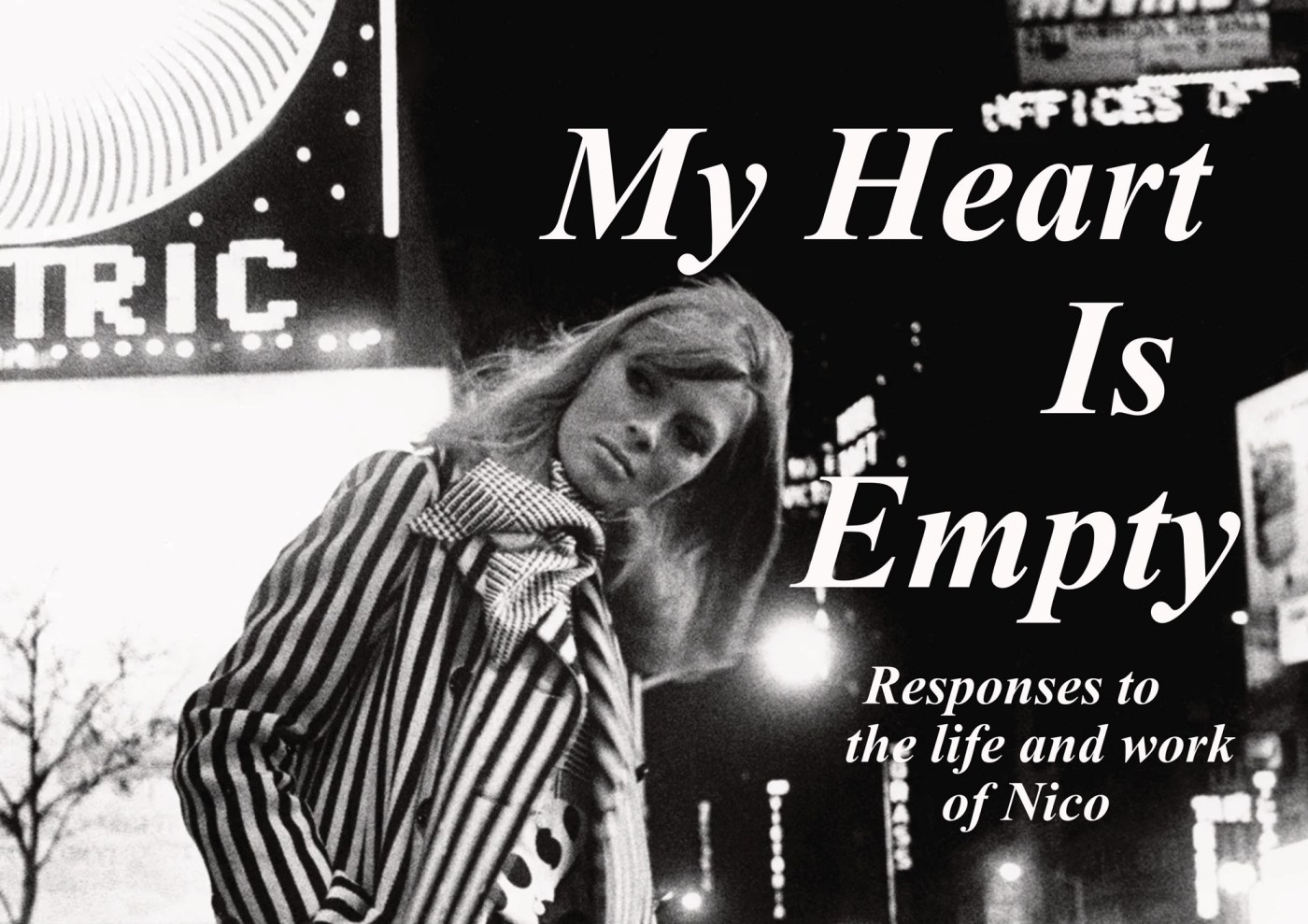
Burning House Press are excited to welcome Matthew Kinlin as the fifth BHP guest editor of our return series of special editions! As of today Matt will take over editorship of Burning House Press online for the month of December.
Submissions are open from today 1st December – and will remain open until 21st DECEMBER.
Matt’s theme for the month is as follows
My Heart Is Empty: Responses to The Life and Work of Nico
Matthew Kinlin lives and writes in Glasgow. His published workst include Teenage Hallucination (Orbis Tertius Press, 2021); Curse Red, Curse Blue, Curse Green (Sweat Drenched Press, 2021); The Glass Abattoir (D.F.L. Lit, 2023); Songs of Xanthina (Broken Sleep Books, 2023); Psycho Viridian (Broken Sleep Books, 2024) and So Tender a Killer (Filthy Loot, 2025). Instagram: @obscene_mirror.
——
Submission Guidelines
All submissions should be sent as attachments to guesteditorbhp@gmail.com
Please state the theme and form of your submission in the subject of the email. For example: NICO/POETRY
Poetry and Fiction
For poetry submissions, submit no more than three of your best poems. Short stories should be limited to 1,500 words or (preferably) less. We encourage flash fiction submissions, no more than three at a time. Send these in as a .doc or .docx file, along with a short third-person bio, and (optional) photograph of yourself.
Art Submit hi-res images of your works (drawings, paintings, illustrations, collages, photography, etc) with descriptions of the work (Title, Year, Medium, etc) in the body of the email. Files should be in .JPEG unless they are GIFs or videos, and should not exceed 2MB in size for each work. File names should correspond with the work titles. Video submissions can be uploaded onto Youtube or Vimeo for feature on our website. Send these submissions along with a short third-person bio, and (optional) photograph of yourself.
Virtual Reality/ 3D Artworks
For VR Submissions, please submit no more than three (3) individual artworks. For Tilt Brush works, please upload your artwork to Google Poly (https://poly.google.com/), and mark it as ‘public’ (‘remixable’ is at your own preference). A VR/3D artwork can also be submitted as a video export navigating through the artwork. If you prefer this method, please upload your finished video file to YouTube or Vimeo and provide a URL. With either format, please provide a 150 word artist’s statement.
Non-fiction Non-fiction submissions (essays, reviews, commentary, interviews, etc) should be no more than 1, 500 words and sent as a .doc or .docx file along with your third-person bio/and optional photograph.
Submissions are open until 21st December – and will reopen again on 1st January 2026/for new theme/new editor/s.
BHP online is now in the capable hands of the amazing Matthew Kinlin – friends, arsonistas, send our December 2025 guest editor your magic!
Once you see past the cellophaned shop-window of tourism and into the infected stomach-wound of political history you begin a journey to the centre of dictatorship. And you’re likely to survive. Because in their eyes you are a mere fly on the wound, spinning on the spot, feeling sick and having to suck it all up. They might feel an occasional tick at the discomfort of you’re reporting all their business, but with a quick swat, the threat of being locked up, they will send you packing. Off you fly back to your country. You’ll soon be back again. You’ll come because the scent of such drama and the chance to ‘make a difference’ is so seductive.
You will climb into airplanes and out of airplanes, stand in queues at airports listening to psych rock on repeat to make it seem cool to be wearing a suit. You will walk into climates where heat makes a sudden pass at you. The hotels will have terraces descending to cake-crumb concrete, ornate cities choking politely below you. You will blag free afternoon tea in the hotel where Agatha Christie disappeared. You will do this for years and years. Buoyed on the beauty of this city, by the people from whom you learn the meaning of solidarity.
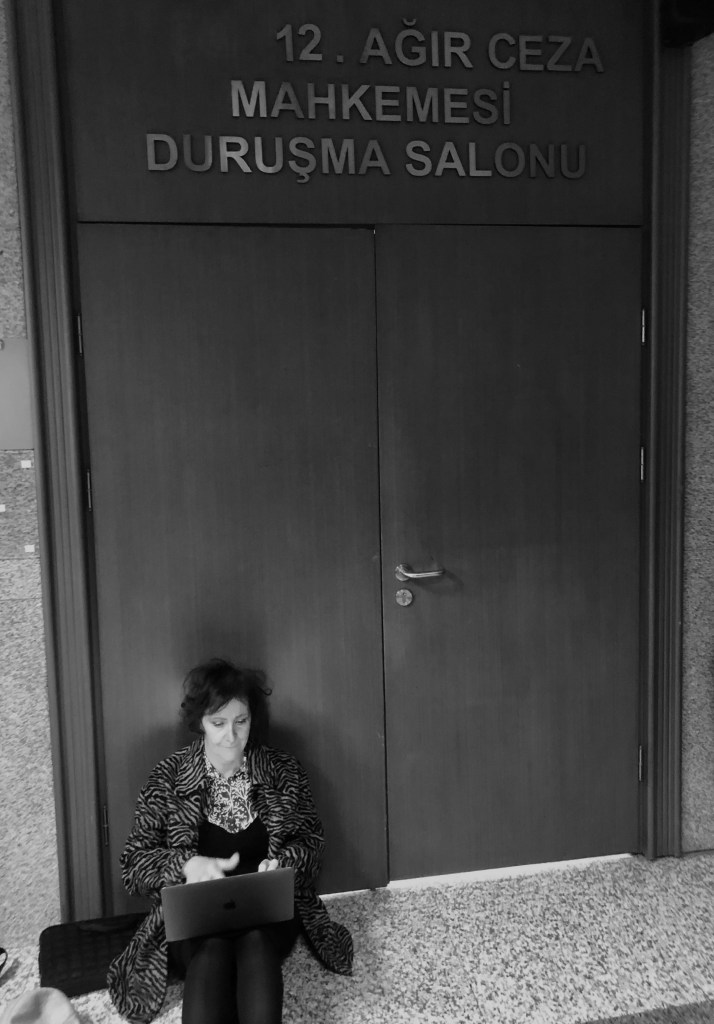
You might go to courthouses larger than a demigod. Where justice is not just blind, she’s in intensive care. Every now and then, to fool the concerned Specialists from overseas at the bedside of Democracy daughter of Anatolia, there is a blip on the heart monitor in the form of a ‘good’ decision from the Constitutional Court. Everyone from Europe nods and puts a tick on their clipboards, smiling at each other from behind the surgical masks.
The British and French have scalpels in their pockets, just in case they get another chance to make choice cuts. It’s all they can do not to dot lines on the flesh, “Je vous en prie, madame mais j’ai l’envie de vos cuisses remplis de l’huile noir dorée.” They want to take her back to last century. She is confused and they all think she’s easy. She has had a lot of lovers in the past. They think they can own her just like Croesus tried but those silly billies don’t even know her real identity.
While Consultants from the EU compile assessments on the health and usefulness of the patient, the rats go on eating the body from underneath the bed. Small regional judges rebel against the Supreme Court. The government opens cases against the Istanbul Bar. Everyone visiting agrees the patient looks passably robust if you just don’t get too close.
The brochure that prompted your journey to the centre of dictatorship will be social media posts showing Kurdish boys dead on barricades and their families looking out from front windows, prevented from collecting their corpses due to sniper fire from the Turkish state. Dogs devour sons’ bodies near the door. You’ll see four old people, wearing white and waving flags be gunned down as they sneak out with a stretcher. Neighbourhoods and a city flattened by airstrikes and tanks. Sur, Cizre and the walls of Diyarbakır. It was 2016, just nine long years ago.
You’ll stand up, then, in your kitchen and say, “Yes, I am ready. Show me the treatment of women, show me culture of queer, show me the mothers of the disappeared, show me cyanide gold mines and grandmothers’ resistance, show me trans women called Hande and show the teeth of the police and what they did to her, show me 5000 teenage girls on a Women’s March, kettled in the super highway street of Istiklal, show me that lady in her eighties who sat on a rock with a staff, soldiers in a row behind her, trying to take over the olive grove as she blasts, ‘The State? I am the state here!’’’ You’ll say, “Show me oppression, the politics, police brutality, show me torture, show me 64 guards kicking a dealer to death in the prison at Silivri.” You’ll notice there are less and less women, they’re vanishing at a rate of one to three per day.
There will be an old man to clean your shoes on the pavement before going into court, but because you speak the language and had a family here, you will really talk to him and he will cry tears down a maze of lines from cornflower blue irises, telling you, “Inflation means it’s twenty lira for a few tomatoes, we don’t eat meat and we can’t make a go of it”. You’ll agree it is a sin to take over the Central Bank and to let inflation run at 168%.
By now you will be an international advocate. You will monitor 200 trials, hoping it will all get better. But fascism doesn’t need much sleep. When it’s too late you’ll see that you were not creative enough. You weren’t armed to the porcelained teeth or in league with deep state. How can you succeed? You don’t belong to the right cult. The President will laugh you off: “These people, they come here, make up a few numbers and leave.” At one point you won’t want to believe there are 185 journalists in prison. But you know them, you have met them and hugged them.
In seven years you’ll be scared for twenty minutes. Those twenty minutes on the day you decide to stand up are like being in an iron maiden, seeing your essence squeezed out and poured into a glass phial. You hold it up to the light – it is the right colour. You hand yourself permission to resist. Go and find them. They will show you the meaning of solidarity. They really will. Your dear fierce legal colleague who sticks with you, no matter what. Court reporter girls who stand up to the judge and are the subject of court cases written in the purple official bruise of his ego. The woman with 185 court cases against her, who still sends salvos to officials. The lawyers, physicians. They’re resisting so hard, are we with them?
The first court case you monitor will be Zaman newspaper, the journalist, editor, author and unliked man Ahmet Altan. Why don’t you sit in the front row, a copy of the OSCE Trial Monitoring guidelines on your knee? That’s how you monitor a trial, you see? Are they abiding by procedure? How much spare paper do you have? The trial will begin and you’ll write it all down. Then comes an undercover cop. He’ll lean his whole upper body onto you, staring down at the pad on your lap to read what you’ve written, “Are you with Human Rights Watch?” You should go on to record the rest of the hearing in Welsh shorthand. Barmouth Welsh.
You’ll fly over Mount Ararat, fancy that, with a lawyer called ‘the arrow’. Your combined presence, the lawyer’s arguments will get Berzan out on bail that day. You can change things if you put your energy right into the room. In these times of outsourcing intelligence, of never meeting, of cost-saving, if we stop meeting face to face, stop putting our physical, personal energy in the place where it is needed, where it will be seen and counted, then we will fall down either side of the abyss that is separating us, and will meet in a bloody mess at the bottom, wondering how it happened. The best advocacy strategy meetings will be twelve people around a table in Berlin, or in Brussels, or Istanbul, all equal in struggle and all winning. Slowly some of the elitist ones will unpick themselves like the decoration on a shawl, unwind and leave others in the cold. You’ll work on. Your reports will change the law.
How much is the ticket, you ask. Is it a time machine that will eat tokens made of years, of intimacy, friendships, of all else that exists outside the job? Will it be fuelled by all the poems you wrote and never published? You might only take one day off in seven months in lockdown. What else was there to do but work? When you see how bad it is every moment feels like the threshold of a potential win, of standing with them. And every time you think you’ve made a difference, the state will impress you with their newly proposed law to ban all mention of homosexuality on the internet; their throttling of the airwaves. One small squeeze is all you need once you’ve mastered and collected the horse of freedom, put in the brutal bit of police violence backed up by millions of canisters of poison gas at protests.
You will continue on this journey until the road kinks back and kicks you off the path. You will cling on by your fingernails, while life floats far away. You will stay on the road until a new boss steers the car into the back of a truck marked ‘Investment Bank’ and steals your integrity. Then you will lie about your reasons, out of politeness, and you will leave. You might believe that you can still go on, and that the road will welcome you back, but the road knows you can leave no more tread. That you belong in a field, walking over a bog with a small dog, looking up at the range near where you were born, thinking about sixth century poets, because the remaining road travellers, those local dissenters and human rights defenders, they will go on along the road, two thousand miles away. The fight was always theirs, and they will win. It was never about you.
. . .
Line Stockford is a Welsh poet, editor and translator of Turkish literature. An adviser on Turkey for PEN, she designed and ran human rights projects around linguistic rights and media freedom. She studied the History of Turkish at SOAS, London. Her book-length translations are published by Parthian, Palewell Press and Smokestack Books.
Modern life is increasingly connected: central heating to phone, fridge to supermarket, watch to heartbeat. Without touching a button we can chat with friends in Australia, while eating strawberries at Christmas.
Yet beyond this glimmering convenience looms a shadow-side. For modern life in Britain grows ever more disconnected. Food comes from a shelf, water from a tap, and community from an app. As for travel, it occurs at unfathomable speeds, as we rush along tarmac strips, strapped into metal boxes watching screens, following other cars and road-signs, turning when the sat-nav says so. Where travel once generated constant discovery via deep interaction with places and people, modern journeys have become a dream of pure destination, an increasingly impatient thrust toward instant arrival.
Travel by car (or train/plane) performs a conjurer’s sleight-of-landscape, a folding of the map, to magically shift us over vast landscapes without ever experiencing them. This is journey-making with minimal connection. Temperature is thermostatically controlled, sound is piped entertainment, hills are reduced to a slight extra weight in the heel, and rivers to the bump of a bridge under tyres. Between start and finish, everywhere becomes similar grey roads.
All of which causes separation, isolation and disempowerment. With our hyper-reality and digital lifestyles, we have forgotten how to look in our neighbour’s eyes and see how well they are. The smog of mortgages and motorways, and the ever-increasing pace and price of work/life, leaves little time to simply connect with the land, with ourselves and each other. Traditional guides fail us, religions plagued by scandal, and science proclaiming that spirit doesn’t even exist. In this modern landscape, it isn’t easy to break through to the Light. The Way Forward
But there is good news. An ancient spiritual technology has been rediscovered, offering direct engagement with Source. You don’t need to dress smartly, sit still, feel guilty or get bored. No gurus are required, no intercessors or priestly authorities. It is a natural form of whole-body movement, a deep dance through imaginary labyrinths, and a hearty adventure.
Folk call it pilgrimage.
Pilgrimage is the ritual short-form of your life’s journey from birth to death. The aim is that by walking a short way correctly, you can put right your longer journey.
The basic technique of pilgrimage is to set an intention for wholeness, choose a holy place destination, and connect the two by walking. It is as simple, and infinitely complex, as that.
Walking is the oldest, slowest and deepest way to move across the earth. Intention is your motivation, the inner hope for healing that pushes you to make pilgrimage. And a holy place is somewhere in the world you feel can offer the wholeness you need, whether spiritual, mental or physical.
Finding your intention is the first step of pilgrimage. What lack needs filling, what question needs answering? Bringing this into consciousness – as words that can be repeated like a mantra – is a vital cog in the technology of turning a vague walk into a pilgrimage. If you don’t know which port you are sailing to, no wind is favourable (Seneca).
Next comes your choice of destination, a holy place that will harmonise in some way with your intention. You might choose somewhere intensely personal, the burial place of an ancestor or the site of a childhood memory. Or you may prefer to seek somewhere more universally well-known. Certain locations in this land have held the dreams of hundreds of generations of seekers, and in such holy places, deep echoes linger from those whose journeys went before.
You may find this word ‘holy’ troublesome, as if signalling pious spiritual exclusivity. But ‘holy’ doesn’t necessarily mean religious at all (though it can if you want). At root, the word derives from the Old English Halig, meaning wholesome and complete. The Scots word hale (as in ‘hale and hearty’) is its nearest living descendent. The same root word gave us ‘healthy’, ‘holistic’ & ‘healing’.
‘Holy’ is a very distinct word from ‘sacred’, though the two are often used interchangeably. Sacred derives from the Latin sacre, meaning set-apart, distant, unobtainable. ‘Sacred’ is like a distant star, beautiful but untouchable, while ‘holy’ is like a jug of water for the thirsty, something vital to integrate into the depth of your being.
Ultimately, what makes a destination holy is you, your need and the journey you offer. Wholeness (holiness) doesn’t sit around throbbing. It is activated by relationship. The healing magic needs you to need it. And there is no better way to activate this holiness than to take the time and energy to slowly walk toward it. The unreasonable dedication of an intentional journey on foot is a powerfully sincere sacrifice of time, energy and focus – making pilgrimage an effective key to unlock holy places in the land, body, mind and heart.
Deep Moving Roots
Bipedalism – walking on two feet – is our species’ original advantage, the biological life-hack that cast us as the upright strollers of the monkey family. Once we sourced this tech’ of walking, for two million years our ancestors were nomadic, roaming the planet in reverent pursuit of the herds and seasons. Constant movement shaped our evolution, creating the bodies and minds we have inherited today. Our species is homo perigrinus, and who we are grew from life on the path, our oldest home.
Yet a mere twelve thousand years ago, humanity ceased her restless roaming to begin cultivating agriculture and raising static dwellings. Arguably this was a bad move, leading to general imbalance.
Pilgrimage as an activity distinct from normal life arose in response. By providing a ritual reconnection with our ancient wandering freedom, pilgrimage helped keep alive the ancestral strength, beauty and wisdom of humanity’s nomadic inheritance.
Once you start seeing it, pilgrimage appears as one of our species’ great common forces. Wherever a stone has been raised, a temple built, or a spring recognised, so people have come (usually on foot) from near and far, bringing their hopes, dreams, offerings, prayers and songs. If you squint your eyes a bit, even our modern everyday journeys to the shops, to school or work, appear as (debased and frustrated) forms of pilgrimage.
The pilgrimage instinct is as fundamental a law of the human soul as gravity to our atomic reality. It doesn’t matter what faith (or lack) you follow, nor whether you believe in gravity or not. The apple always falls, and pilgrims always come.
But the path has not always been smooth, and pilgrimage has waxed and waned in these lands, attacked by the sharp hopes of kings and industrialists. While I was growing up, the peregrine precedent was almost invisible. Wanderers rarely passed my window. The Romany seemed settled, druids drove vans and troubadours endured mortgages. To be a tramp seemed to require alcoholism.
Yet today we witness the return of honest wandering society, as pilgrimage revives into a living British tradition, like Arthur awakening from his hill of slumber. Our hour of need has come.
Annoying the King
Those who decide the rules in society enjoy imposing their will upon us, because there is advantage to be gained in so doing, and because they can. Pilgrimage offers a shortcut to evade these heavy games of control. By taking the path, you can restore your ancient state of animal liberty, becoming wholly in charge of your time and passage through life, if only for a short-ish while.
Two hundred years ago, to be a British pilgrim you would have been sent to the workhouse or charged with vagrancy. Three hundred years ago, you could be transported to a penal colony or hanged. But today, pilgrimage is free for the dream.
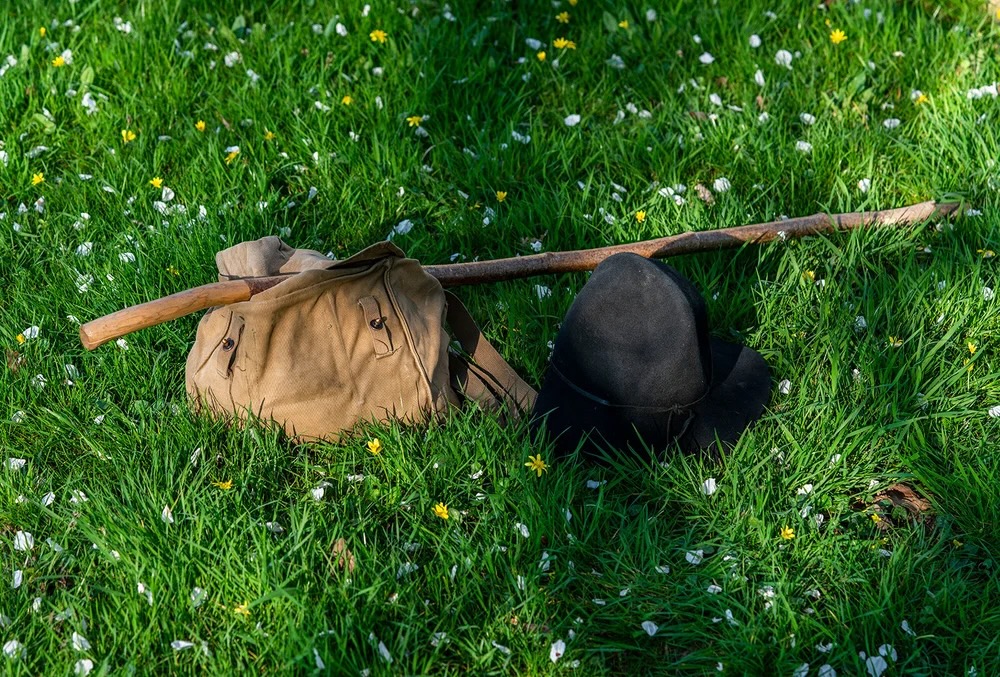
You may feel you have little choice in life, pushed along by the normal forces of work, family and friends. But pilgrimage provides an opportunity – and challenge – to reclaim your personal autonomy, to plant a staff in the river and stride upstream.
For many people, there is a guilt response to this idea. The wonderful inefficiency of pilgrimage makes its time-demands look like gluttony. How can you possibly take two weeks to walk somewhere you could drive in two hours?
Such are the harsh internal shackles of convenience that govern the modern mind. For the responding question must surely be: to whom does your time on earth ultimately belong? Dare you stake one small portion for yourself? Can you really afford not to?
This is difficult to answer from the sofa. No matter what I write, you won’t really know until you step out, staff in hand and home on your back. Not even the ultra-rich truly own their time. But between the roads, the pilgrim inherits the earth.
As medieval scholar J. J. Jusserand said, pilgrimage has always had the power to “annoy the King”. And in our modern age, under the ever-watching eyes of state, corporate and digital kings aplenty, the freedom of pilgrimage shines brighter than ever.
“Liberty calls aloud, ye who would hear her voice…” (from a confiscated broadsheet, 1793)
I hope to see you on the path. Bring a song. It is not getting dark.
Walk well!
. . .
(The above is an extract from William Parsons’ forthcoming book, The S.O.N.G. of Pilgrimage.)
. . .
William Parsons has worked in British Pilgrimage since 2004. He spent his twenties as a wandering minstrel, in his thirties he founded the British Pilgrimage Trust, and in his forties he returned to freelance pilgrimage with a focus on writing. His work has reached most UK newspapers, TV channels and radio stations. He even got pilgrimage into Vogue. William lives in Glastonbury where he guerrilla plants Holy Thorns.
Burning House Press are excited to welcome C.C. O’HANLON as the fifth BHP guest editor of our return series of special editions! As of today C.C. will take over editorship of Burning House Press online for the month of November.
Submissions are open from today 1st November – and will remain open until 25TH November.
C.C.’s theme for the month is as follows
—JOURNEYS
~~~
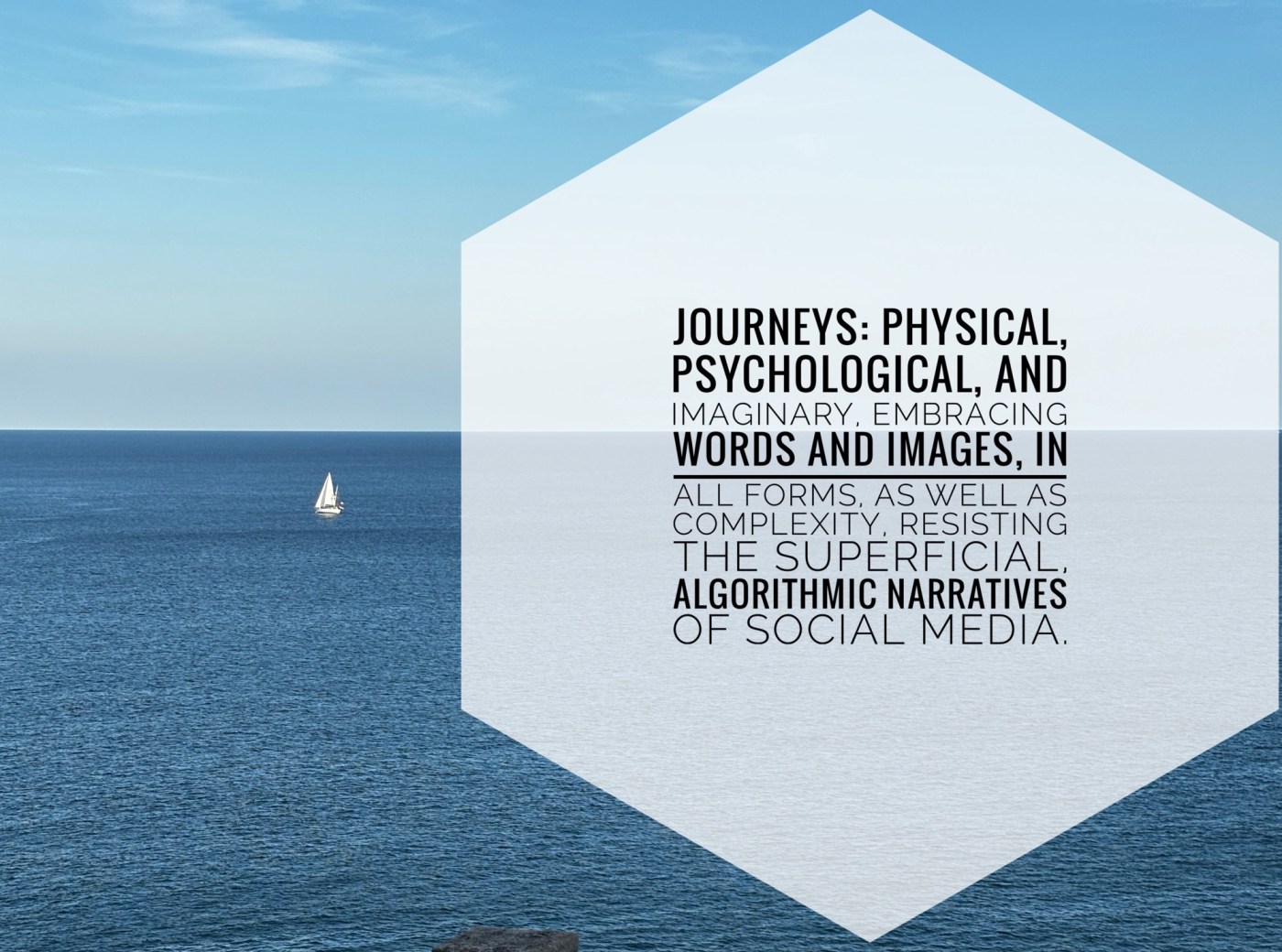
JOURNEYS: Physical, Psychological, and Imaginary, embracing words and images, in all forms, as well as complexity, resisting the superficial, algorithmic narratives of social media.
~~~
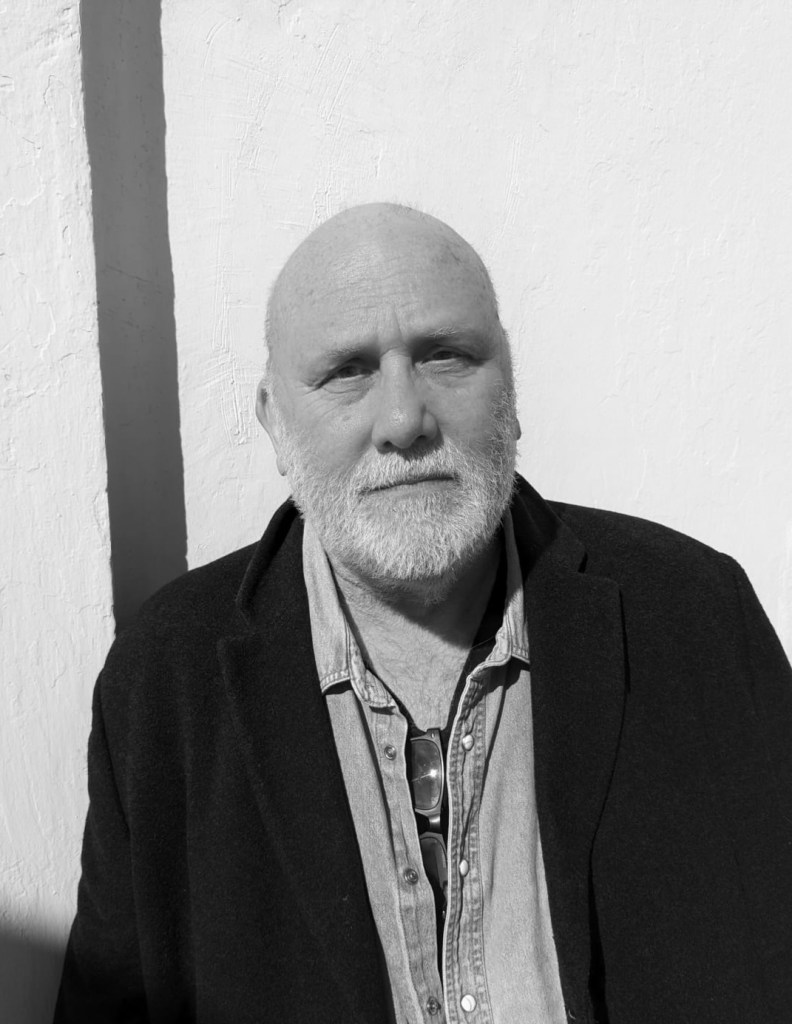
Photo by Given Rozell.
~~~
A self-described ‘vagabond, diarist, and wreck’, C.C. O’Hanlon’s fragmentary memoirs have been published in various anthologies, including Best Australian Essays 2005 and Best Australian Stories 2004 (both published by Black Inc, Australia), A Revealed Life: Australian Writers And Their Journeys In Memoir (ABC Books, Australia), The Odysseum: Strange Journeys That Obliterated Convention (John Murray, U.K.), Zahir: Desire & Eclipse (Zeno Press, U.K.), and Dark Ocean (Dark Mountain Project, U.K.). A founding features editor of Harper’ Bazaar Australia in the late ’80s, his mainstream journalism and images have appeared in The New York Times, The Sydney Morning Herald, Variety, Travel & Leisure, the Australian editions of Vogue and Harper’s Bazaar and scores of other newspapers and magazines.
He now lives a nomadic life with his American wife of 38 years aboard a small, sea-worn old sailboat named Wrack in the southern Mediterranean. They have three adult children.
_______
Submission Guidelines
All submissions should be sent as attachments to guesteditorbhp@gmail.com
Please state the theme and form of your submission in the subject of the email. For example: JOURNEYS/POETRY
Poetry and Fiction
For poetry submissions, submit no more than three of your best poems. Short stories should be limited to 1,500 words or (preferably) less. We encourage flash fiction submissions, no more than three at a time. Send these in as a .doc or .docx file, along with a short third-person bio, and (optional) photograph of yourself.
Art Submit hi-res images of your works (drawings, paintings, illustrations, collages, photography, etc) with descriptions of the work (Title, Year, Medium, etc) in the body of the email. Files should be in .JPEG unless they are GIFs or videos, and should not exceed 2MB in size for each work. File names should correspond with the work titles. Video submissions can be uploaded onto Youtube or Vimeo for feature on our website. Send these submissions along with a short third-person bio, and (optional) photograph of yourself.
Virtual Reality/ 3D Artworks
For VR Submissions, please submit no more than three (3) individual artworks. For Tilt Brush works, please upload your artwork to Google Poly (https://poly.google.com/), and mark it as ‘public’ (‘remixable’ is at your own preference). A VR/3D artwork can also be submitted as a video export navigating through the artwork. If you prefer this method, please upload your finished video file to YouTube or Vimeo and provide a URL. With either format, please provide a 150 word artist’s statement.
Non-fiction Non-fiction submissions (essays, reviews, commentary, interviews, etc) should be no more than 1, 500 words and sent as a .doc or .docx file along with your third-person bio/and optional photograph.
Submissions are open until 25th November – and will reopen again on 1st DECEMBER 2025/for new theme/new editor/s.
BHP online is now in the capable hands of the amazing C.C. – friends, arsonistas, send our NOVEMBER 2025 guest editor your magic!
Burning House Press are excited to welcome Alexander Booth as the fourth BHP guest editor of our return series of special editions! As of today Alexander will take over editorship of Burning House Press online for the month of September.
Submissions are open from today 1st September – and will remain open until 25TH SEPTEMBER.
Alexander’s theme/s for the month are as follows
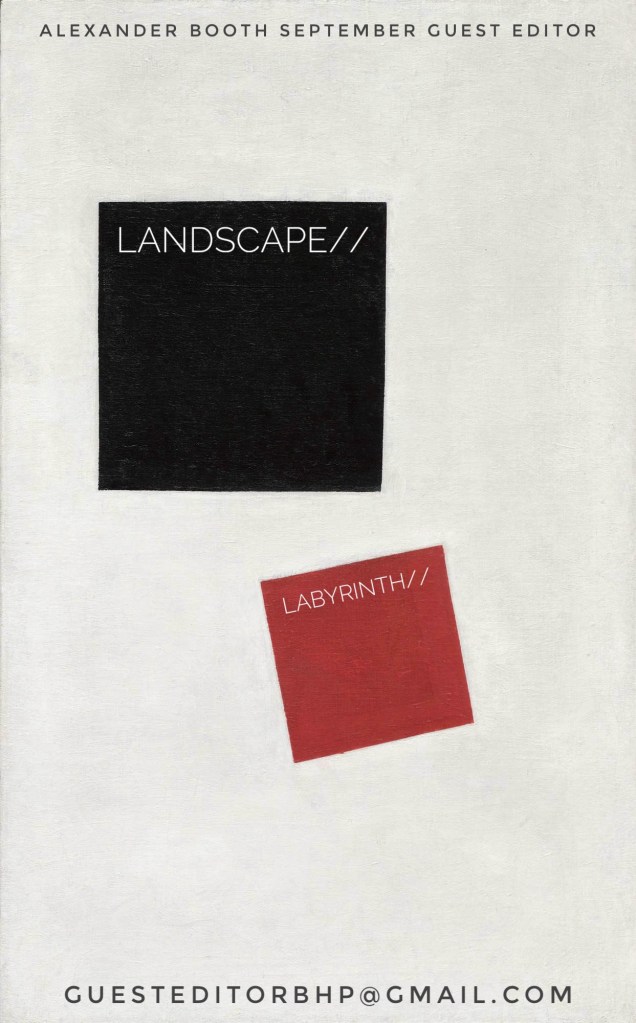
—LANDSCAPE
LABYRINTH—
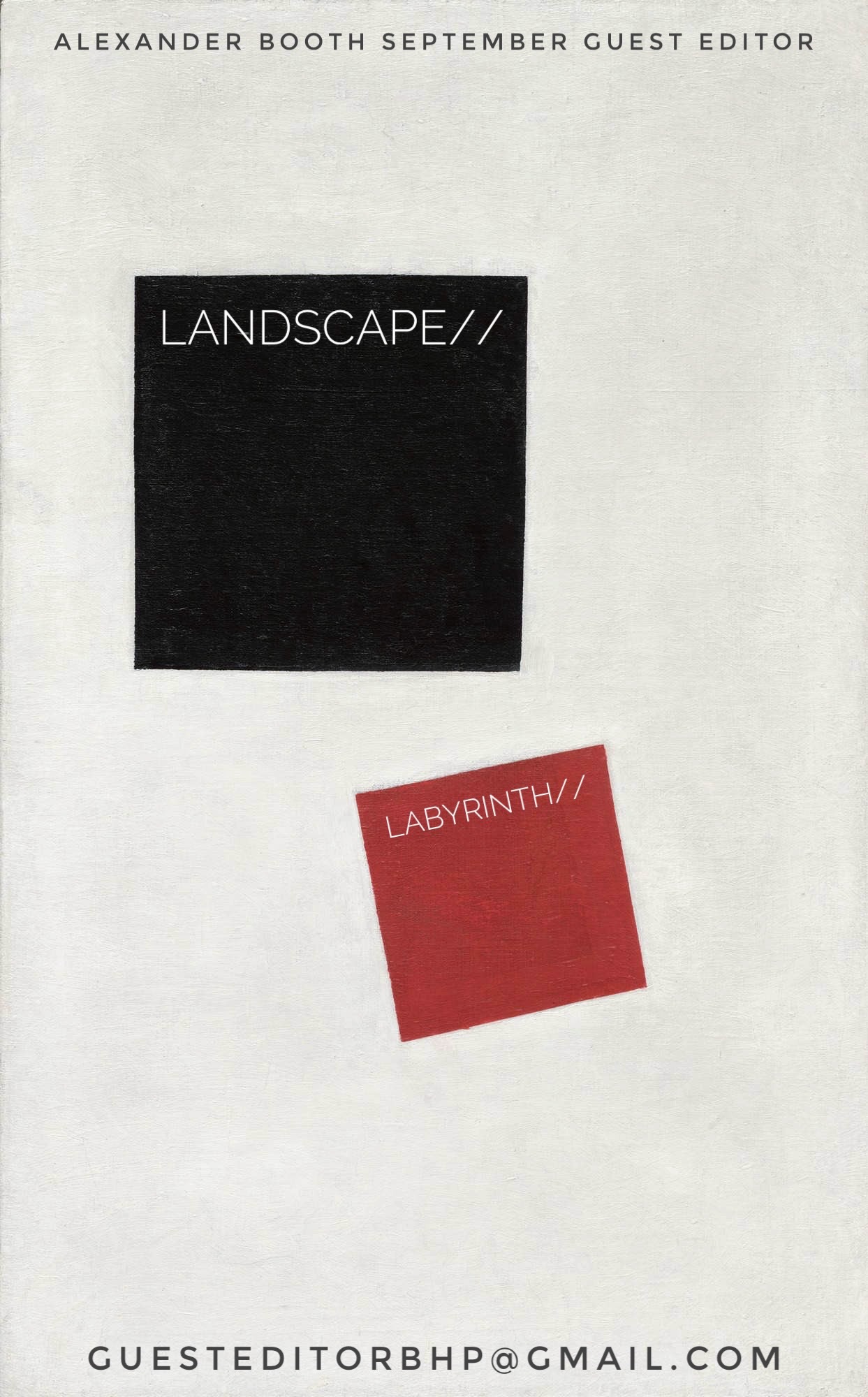
Black Square and Red Square by Kazmir Malevich
_____
LANDSCAPE // LABYRINTH
*
When the painter’s friends, however, looked around for the painter, they saw that he was gone—that he was in the picture. There, he followed the little path that led to the door, paused before it quite still, turned, smiled, and disappeared through the narrow opening.
– Walter Benjamin, Berlin Childhood around 1900 (trans. Howard Eiland)
*
Each one of us, then, should speak of his roads, his crossroads, his roadside benches; each one of us should make a surveyor’s map of his lost fields and meadows.
Gaston Bachelard (trans. Maria Jolas)
*
“Though Minos blocks escape by land or water,”
Daedalus said, “surely the sky is open,
And that’s the way we’ll go. Minos’ dominion
Does not include the air.”
– Ovid, Metamorphosis (trans. Rolfe Humphries)
_____
Alexander Booth is a poet, translator, collage artist and printmaker who lives in Berlin. Recent translations include books by Friederike Mayröcker, Alexander Kluge, Gerhard Rühm, and a new translation of Ludwig Wittgenstein’s Tractatus Logico-Philosophicus. His collection of poems Triptych was published in 2021 and Kantor in 2023.
__________
Submission Guidelines
All submissions should be sent as attachments to guesteditorbhp@gmail.com
Please state the theme and form of your submission in the subject of the email. For example: LANDSCAPE/POETRY Or LABYRINTH/FICTION
Poetry and Fiction
For poetry submissions, submit no more than three of your best poems. Short stories should be limited to 1,500 words or (preferably) less. We encourage flash fiction submissions, no more than three at a time. Send these in as a .doc or .docx file, along with a short third-person bio, and (optional) photograph of yourself.
Art Submit hi-res images of your works (drawings, paintings, illustrations, collages, photography, etc) with descriptions of the work (Title, Year, Medium, etc) in the body of the email. Files should be in .JPEG unless they are GIFs or videos, and should not exceed 2MB in size for each work. File names should correspond with the work titles. Video submissions can be uploaded onto Youtube or Vimeo for feature on our website. Send these submissions along with a short third-person bio, and (optional) photograph of yourself.
Virtual Reality/ 3D Artworks
For VR Submissions, please submit no more than three (3) individual artworks. For Tilt Brush works, please upload your artwork to Google Poly (https://poly.google.com/), and mark it as ‘public’ (‘remixable’ is at your own preference). A VR/3D artwork can also be submitted as a video export navigating through the artwork. If you prefer this method, please upload your finished video file to YouTube or Vimeo and provide a URL. With either format, please provide a 150 word artist’s statement.
Non-fiction Non-fiction submissions (essays, reviews, commentary, interviews, etc) should be no more than 1, 500 words and sent as a .doc or .docx file along with your third-person bio/and optional photograph.
Submissions are open until 25th SEPTEMBER – and will reopen again on 1st OCTOBER 2025/for new theme/new editor/s.
BHP online is now in the capable hands of the amazing Alexander Booth – friends, arsonistas, send our SEPTEMBER 2025 guest editor your magic!
Burning House Press are excited to welcome stephanie roberts as the third BHP guest editor of our return series of special editions! As of today stephanie will take over editorship of Burning House Press online for the month of AUGUST.
Submissions are open from today 1st August – and will remain open until 25TH AUGUST.
stephanie’s theme for the month is as follows
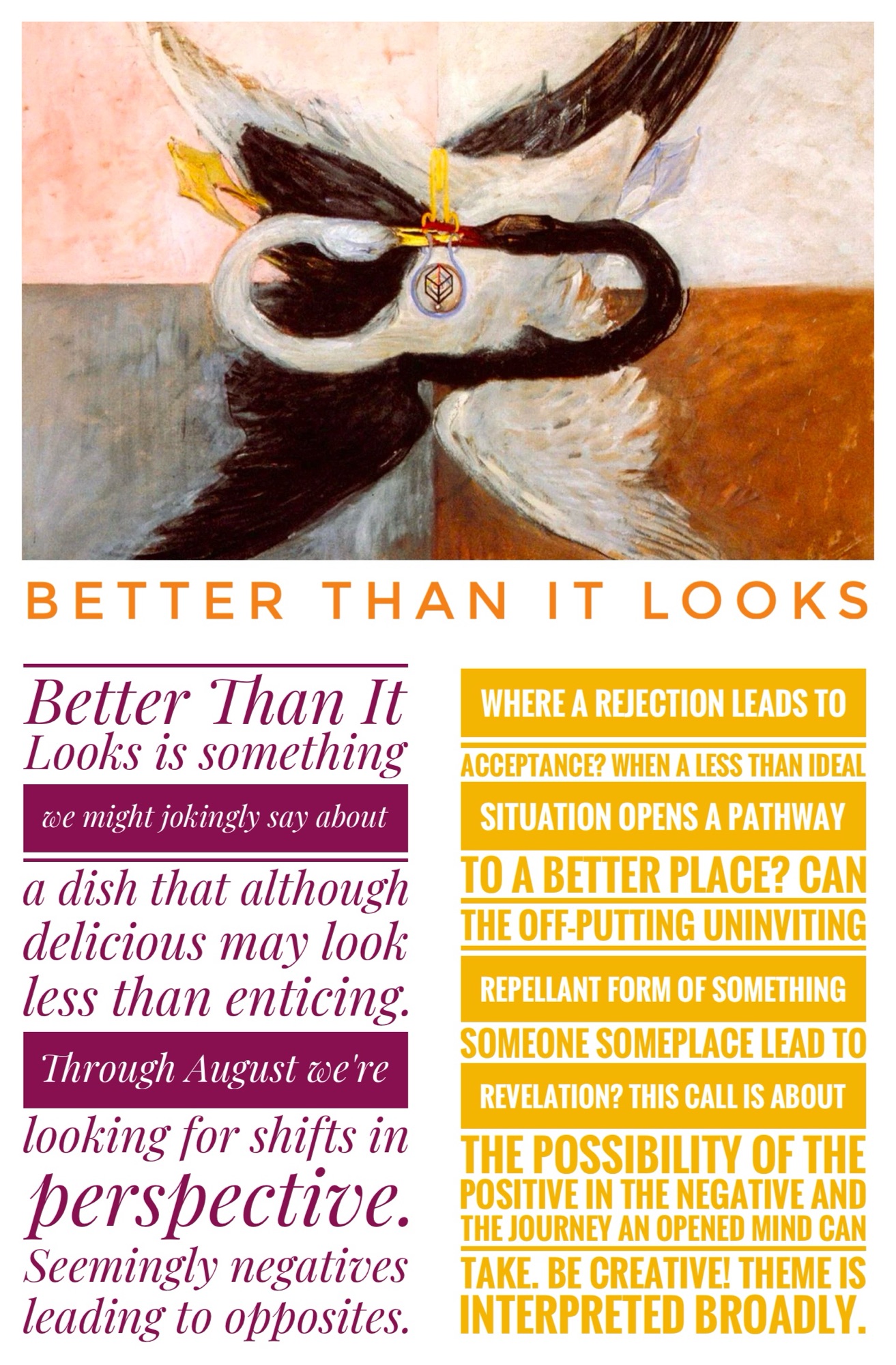
—BETTER THAN IT LOOKS—
________
stephanie roberts is the prize-winning, Canadian author of the poetry collection UNMET (Biblioasis Books, April 2025). The poet Lisa Russ Spaar, writing for the Adroit Review, said, “One emerges from the agile linguistic theatrics of this book [UNMET] feeling requited, met, seen, and inspired—a sensation that moves from writer to reader. From daring to darling.” Her debut collection rushes from the river disappointment (McGill-Queen’s University Press, May 2020) was an A.M. Klein Poetry Prize finalist. Widely featured in periodicals and anthologies in the U.S., Canada, and Europe such as Poetry Magazine, Atlanta Review, Event Magazine, New York Quarterly Books, Verse Daily, Crannóg (Ireland), and The Stockholm Review of Literature, she is the winner of The Sixty-Four: Best Poets of 2018 (Black Mountain Press). www.oceansandfire.com
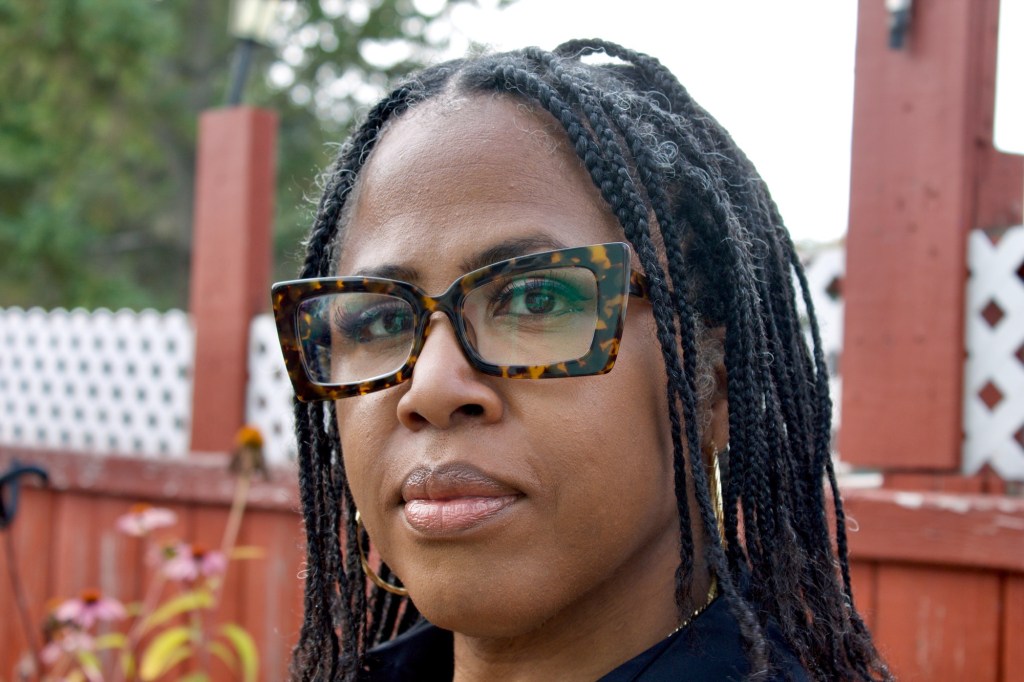
stephanie roberts lives in Beauharnois Québec. The author of UNMET (Biblioasis Books, April 2025) and rushes from the river disappointment (MQUP, 2020) an A.M. Klein Poetry Prize finalist, she is a 2025 Canada Council for the Arts grant recipient and the winner of The Sixty-Four: Best Poets of 2018 (Black Mountain Press). www.oceansandfire.com
All submissions should be sent as attachments to guesteditorbhp@gmail.com
Please state the theme and form of your submission in the subject of the email. For example: BETTER THAN IT LOOKS/POETRY
Poetry and Fiction
For poetry submissions, submit no more than three of your best poems. Short stories should be limited to 1,500 words or (preferably) less. We encourage flash fiction submissions, no more than three at a time. Send these in as a .doc or .docx file, along with a short third-person bio, and (optional) photograph of yourself.
Art Submit hi-res images of your works (drawings, paintings, illustrations, collages, photography, etc) with descriptions of the work (Title, Year, Medium, etc) in the body of the email. Files should be in .JPEG unless they are GIFs or videos, and should not exceed 2MB in size for each work. File names should correspond with the work titles. Video submissions can be uploaded onto Youtube or Vimeo for feature on our website. Send these submissions along with a short third-person bio, and (optional) photograph of yourself.
Virtual Reality/ 3D Artworks
For VR Submissions, please submit no more than three (3) individual artworks. For Tilt Brush works, please upload your artwork to Google Poly (https://poly.google.com/), and mark it as ‘public’ (‘remixable’ is at your own preference). A VR/3D artwork can also be submitted as a video export navigating through the artwork. If you prefer this method, please upload your finished video file to YouTube or Vimeo and provide a URL. With either format, please provide a 150 word artist’s statement.
Non-fiction Non-fiction submissions (essays, reviews, commentary, interviews, etc) should be no more than 1, 500 words and sent as a .doc or .docx file along with your third-person bio/and optional photograph.
Submissions are open until 25th AUGUST – and will reopen again on 1st SEPTEMBER 2025/for new theme/new editor/s.
BHP online is now in the capable hands of the amazing stephanie roberts– friends, arsonistas, send our AUGUST 2025 guest editor your magic!
Burning House Press are excited to welcome JOHN TREFRY as the first BHP guest editor of our return series of special editions! As of today JOHN will take over editorship of Burning House Press online for the month of JUNE.
Submissions are open from today – and will remain open until 25TH JUNE.
JOHN’S theme for the month is as follows
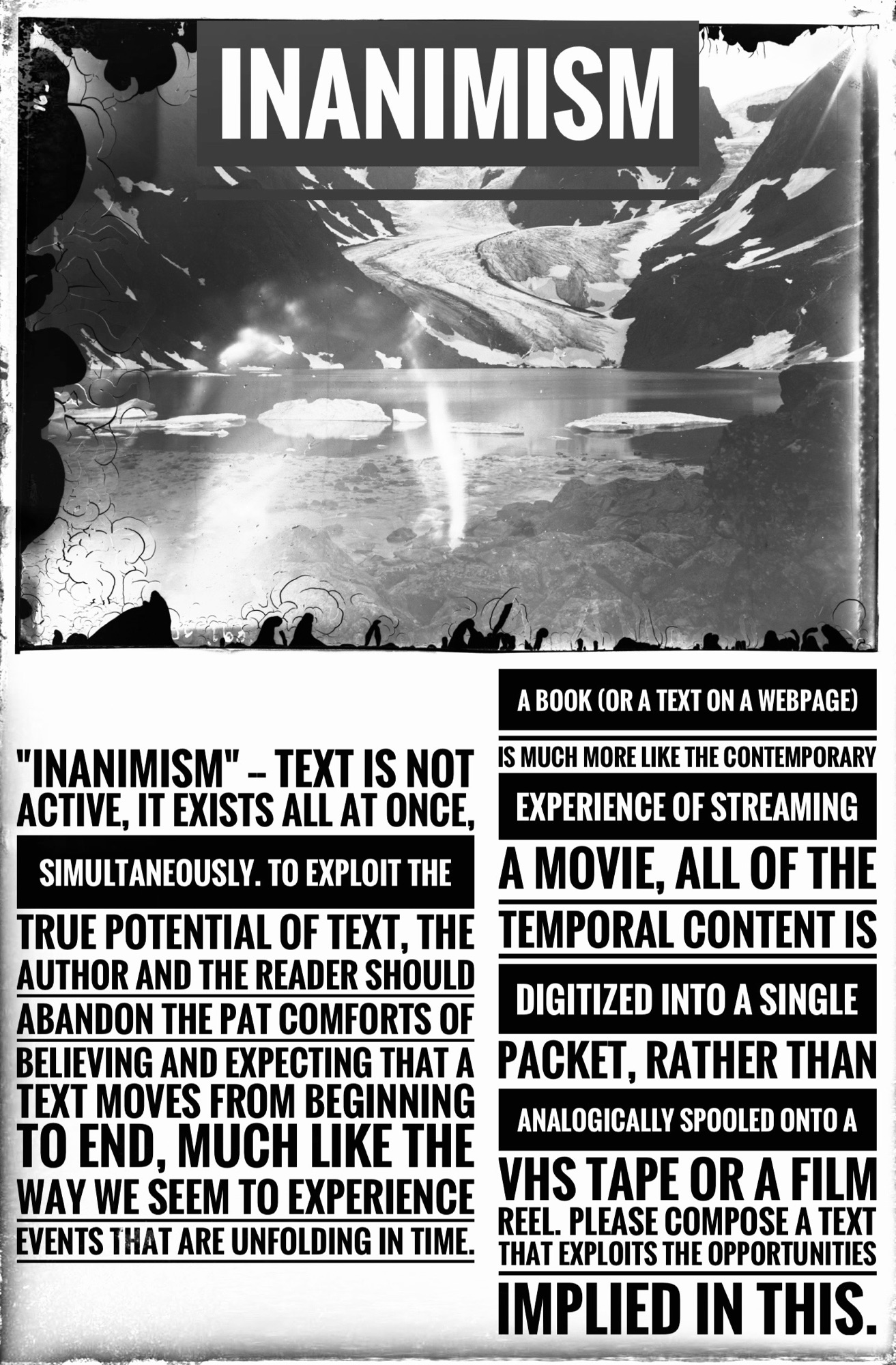
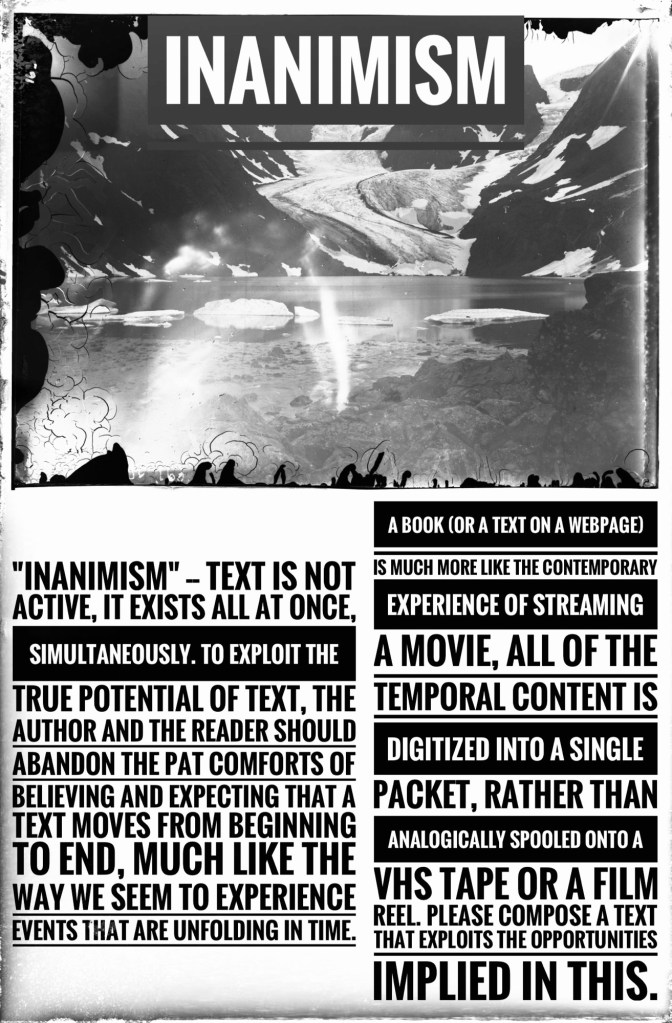
—INANIMISM—
Submission Guidelines
All submissions should be sent as attachments to guesteditorbhp@gmail.com
Please state the theme and form of your submission in the subject of the email. For example: INANIMISM/POETRY
Poetry and Fiction
For poetry submissions, submit no more than three of your best poems. Short stories should be limited to 1,500 words or (preferably) less. We encourage flash fiction submissions, no more than three at a time. Send these in as a .doc or .docx file, along with a short third-person bio, and (optional) photograph of yourself.
Art Submit hi-res images of your works (drawings, paintings, illustrations, collages, photography, etc) with descriptions of the work (Title, Year, Medium, etc) in the body of the email. Files should be in .JPEG unless they are GIFs or videos, and should not exceed 2MB in size for each work. File names should correspond with the work titles. Video submissions can be uploaded onto Youtube or Vimeo for feature on our website. Send these submissions along with a short third-person bio, and (optional) photograph of yourself.
Virtual Reality/ 3D Artworks
For VR Submissions, please submit no more than three (3) individual artworks. For Tilt Brush works, please upload your artwork to Google Poly (https://poly.google.com/), and mark it as ‘public’ (‘remixable’ is at your own preference). A VR/3D artwork can also be submitted as a video export navigating through the artwork. If you prefer this method, please upload your finished video file to YouTube or Vimeo and provide a URL. With either format, please provide a 150 word artist’s statement.
Non-fiction Non-fiction submissions (essays, reviews, commentary, interviews, etc) should be no more than 1, 500 words and sent as a .doc or .docx file along with your third-person bio/and optional photograph.
Submissions are open until 25th JUNE – and will reopen again on 1st JULY2025/for new theme/new editor/s.
BHP online is now in the capable hands of the amazing JOHN TREFRY – friends, arsonistas, send our JUNE 2025 guest editor your magic!
Bury bereavement in cellar below with buttercup onesie, Château Pétrus Merlot — a godless sacrament you know is mortal sin. Silicon reproduced to simulate skin so your spouse can begin, maternal virgin, again. Sleep walk through mutual grief she countermands, rationing love, plastic in pale hands. Keep cries deep in your throat until she’s asleep. A baby monitor projects its first weep — graveled, full grown. The hell two have reaped, one remembers alone. Insatiable thirst nursed by propped-up bottles inside brownstone, She suckles a doll while you drink alone.
Rambles past ringlets, ruffles, rouge to you, end of the queue, interviewed for the show, television lady forgets your debut — segment you are someone she chose to know.
Her fascinations are fleeting and slight, provincially dressed princess one night. Lives she catalogues on oak shelves in plain sight. Decades of ingenues in her archives,
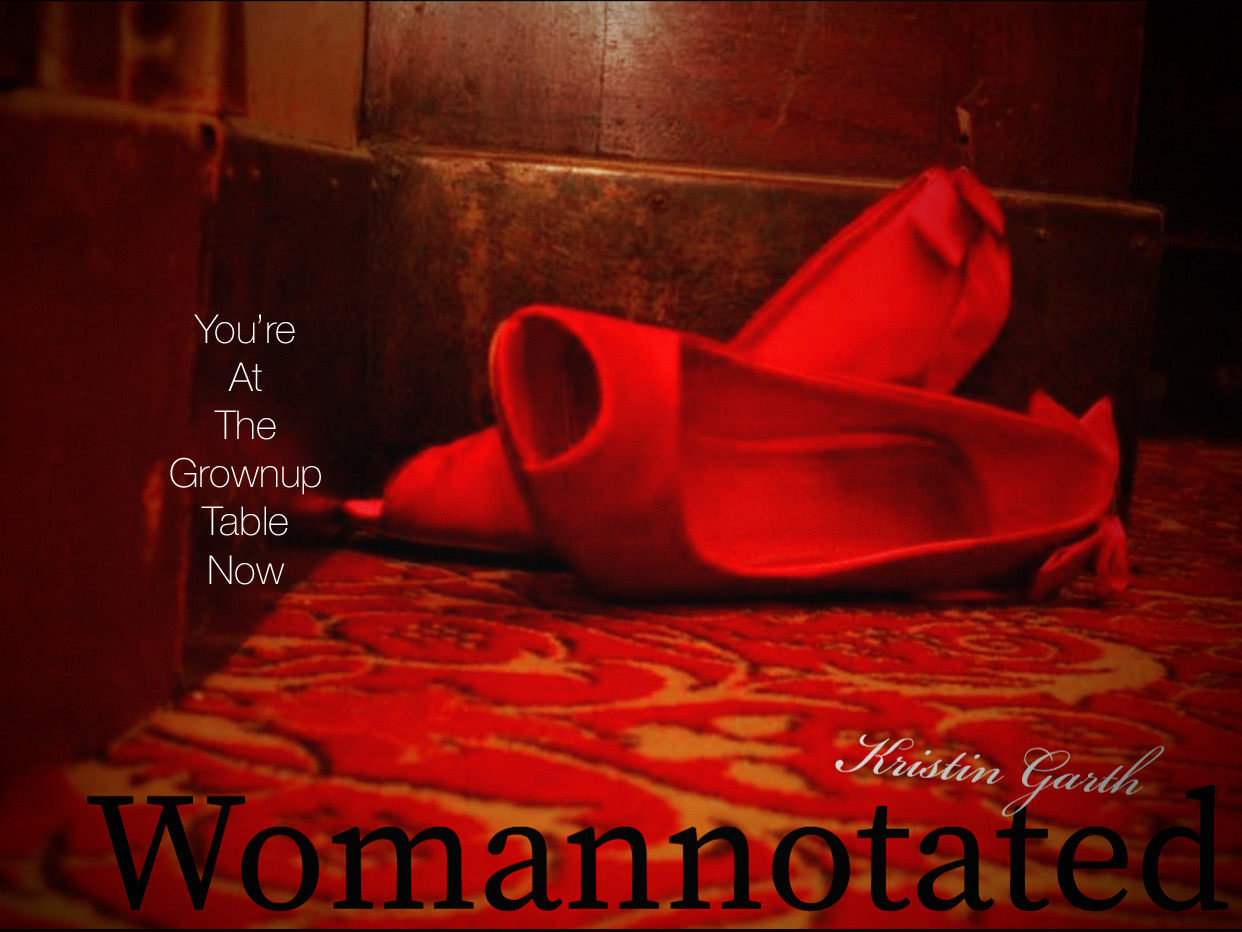
In vermillion lipstick, a Dorothy blue dress, borrowed ruby, ring finger, beaus to impress, submit to a coy lady’s request for your red shoes before she goes another night to Oz, woos a tasteless Lothario. Leave you with a boy, shrewd serpent in a kitchen sink. First, you finesse, send for something red to drink. Latter, you will batter until still quivering, peel. Boy who prepares, serves eel on a plate rues the bell which summoned him, the man of steel who waits to throw him out; you must stroke his rage. At the grownup table, you will come of age.
is unavailable in stores. Believes in Christmas trees, Taylor Swift Evermore with little distinction between the motifs — cute aesthetics without fealty sworn. Like dollhouses dissected their families, some pink plastic posed preternaturally replacing puritans overcome with prayers, prurience, pageantry, incest upstairs. A ripped Sunday school dress, nothing beneath, long hair dyed forever noir, fresh balsam wreath. Believer in kindness and twinkling lights, blessings in boudoirs, tempestuous nights. deprived of her breath. Nothing is deeper than sex, not even death.







 BURNING HOUSE PRESS