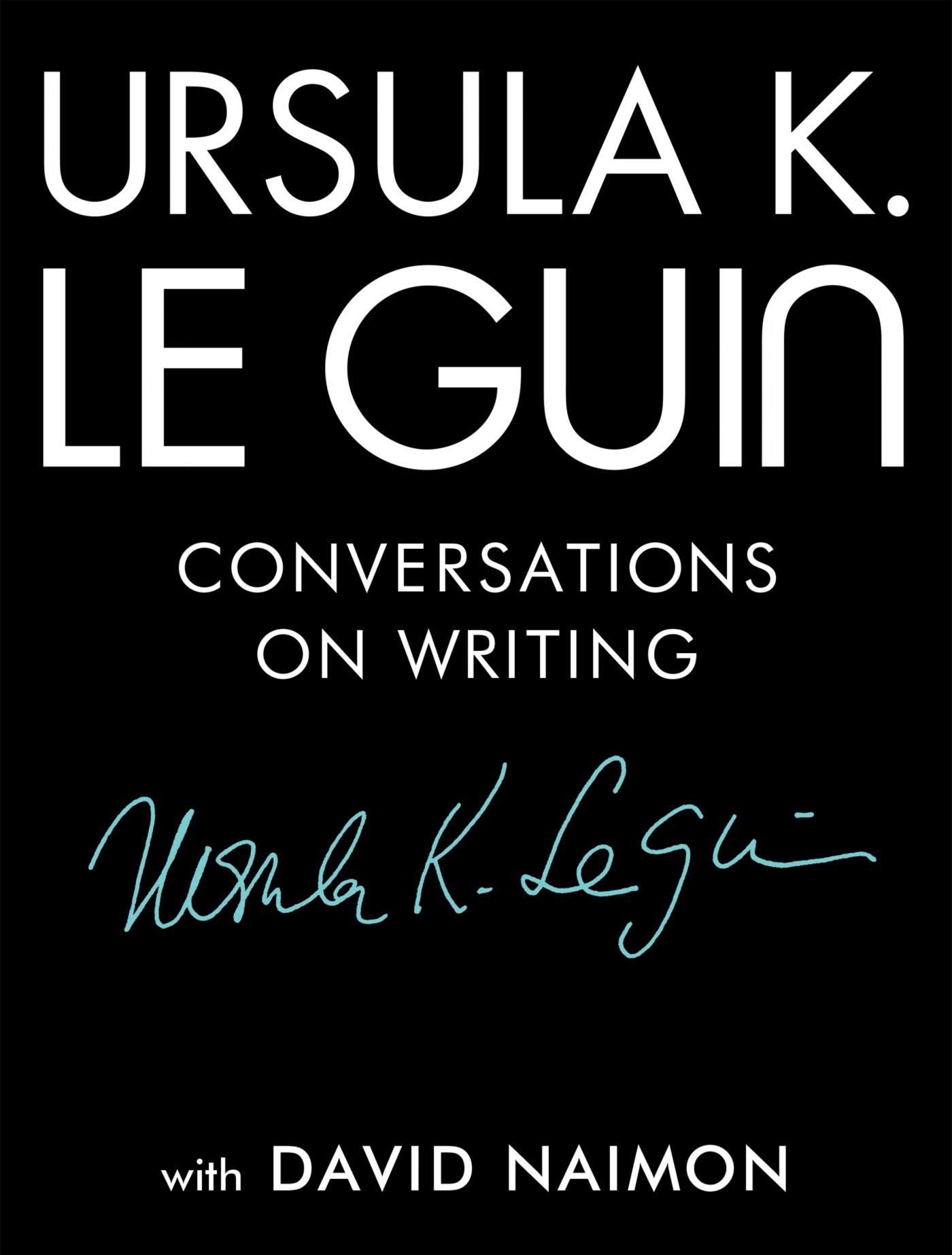
Over the course of her extraordinary career, Ursula K. Le Guin wrote dozens of books that explored the essential issues of our time, including gender, race, and the degradation of the environment. David Naimon is the host of the radio show and podcast, Between the Covers, which features exceptional interviews with some of the most important writers of our time. When Naimon and Le Guin met for his show, it’s no surprise that their discussions were insightful and unforgettable, and they’ve now been collected into a new book, Ursula K. Le Guin: Conversations on Writing, published by Tin House Books. I previously interviewed Naimon for Burning House Press, and he was kind enough to speak with me again about his bond with Le Guin, how she impacted his life, and how their new book carries on her radical legacy.
–Caitlin, Nonfiction Editor for Burning House Press
Burning House Press: It’s impossible not to mention the circumstances under which this book is coming out, with Le Guin passing away shortly before its publication. You write a heartfelt and moving “In Memoriam” at the beginning of the book. How are you holding up as you—and the literary world at large—continue to grieve? How has it been to launch this book without her?
David Naimon: This is such a hard question to answer Caitlin. It was just a matter of days after Ursula had handed over her final edits of the manuscript when she passed away. It happened so suddenly that at first I was just stunned, paralyzed. But then, quite quickly, because Tin House pushed up the publication date from July to April I was swept up in the whirlwind of an accelerated publication schedule. I had no idea just how much work there would be between then and now, the In Memoriam that they needed on short notice at a time when I felt like I had no words for what was happening, and then several essays about Ursula that I was asked to write, to be published in concert with the launch of the book. On the upside, I’ve been steeped in a deep engagement with what Ursula meant to me and to the world. But I haven’t had a moment to be with my feelings, to experience them fully. The public memorial for Ursula is not until June. The city and state, which she has influenced in so many ways, has not had the chance to mourn her as a community yet. I could’ve used something like that, something public, communal, back in January. Now, with the book out, there are no launch events planned. It felt strange to do that without her. I didn’t want to be the focal point of a launch party. But, on the other hand, perhaps a launch event could’ve been a first moment of public remembrance.
Continue reading ““From the sentence to the world” : A Conversation with David Naimon” →








 BURNING HOUSE PRESS
‘Our survival deserves a dirty prayer praising our divine faults and everlasting selves.’ – Rachel McKibbens Interview for Burning House Press
On the release of her latest poetry collection – blud – Adrianna Robertson interviewed Rachel McKibbens for Burning House Press.
I first contacted Rachel McKibbens because I had been—as I often am—considering what it means to write about mental illness. I wanted to have more conversation about why it matters to write poems about mental health, how it factors into one’s identity as a human and a writer, and what it is to attempt to put the experience of it into words. At the same time, I was reading more and more of Rachel’s work (I picked up Pink Elephant and couldn’t put it down) and I felt like I had to tell someone—or as many people as possible, that these poems were opening a door. The new poems in blud left me with that same breathless feeling. Again, I found myself reading them aloud, handing them to friends and my students. Yet, when I sat down to type my questions for this interview, I knew it was impossible to say all I wanted to say—how to describe all that these poems bring forth in me: sorrow, heartbreak, awe, kinship…and always surprise. Finally, I settled on some questions and what follows are Rachel’s eloquent and evocative answers, though they would have been this regardless of what I had asked. And, perhaps more important than any perfect word I could come up with to describe this collection, is this: we need these poems and I am so grateful to Rachel for writing them.
Continue reading “‘Our survival deserves a dirty prayer praising our divine faults and everlasting selves.’ – Rachel McKibbens Interview for Burning House Press” →
Share this: