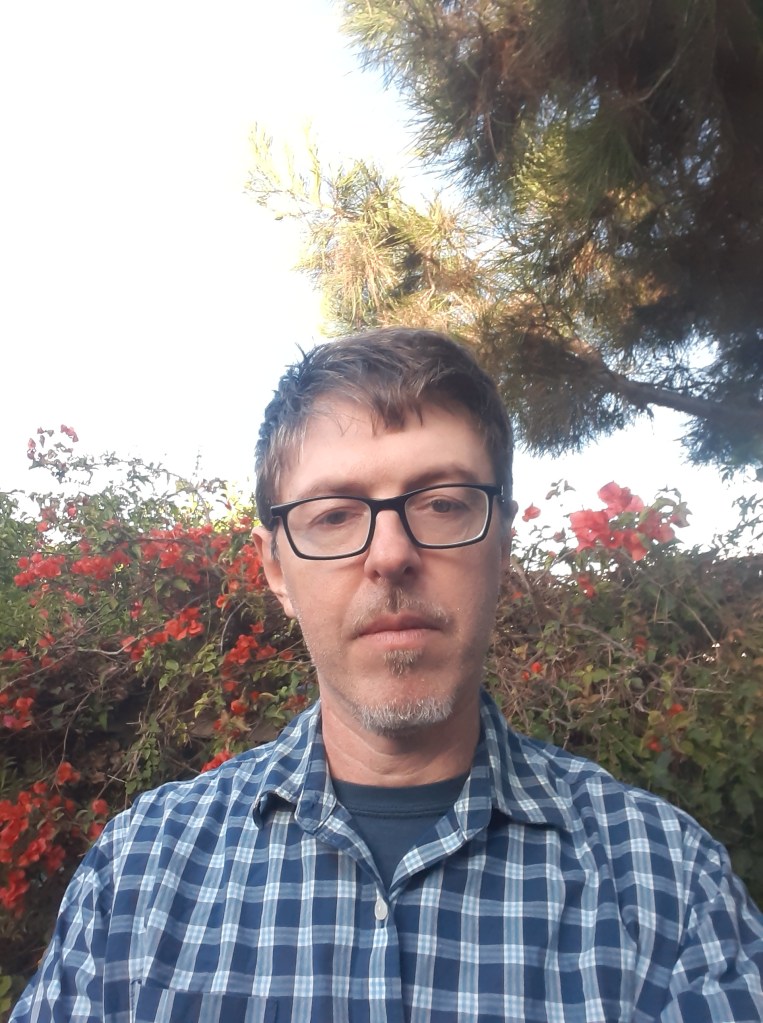
Alistair McCartney is the author of The Disintegrations and The End of the World Book, two experimental novels published with University of Wisconsin Press. The Disintegrations is the recipient of The Publishing Triangle’s Ferro-Grumley Award for LGBTQ Fiction. TEOTWB was a finalist for the PEN USA Fiction Award and the Publishing Triangle’s Edmund White debut fiction award. His poetry and cross-genre writing has appeared in journals such as Hotel, Deleuzine, Fence, Light/Air, LIT, Stand, 3:AM, Vestiges, Nat.Brut, Animal Shelter (Semiotexte), ExPat Press andPilot Press’s Paul Thek and Forbidden Colours Anthologies. He is currently working on a book of poetics and a novel. Originally from Australia, he lives in Los Angeles, where he is Teaching Faculty in Antioch University’s MFA program.
Yvonne Salmon is a writer, artist and filmmaker. Recent work has featured in the Ver Poetry Prize Anthology, Martello Journal and Frogmore Papers. Her study on queer sixties literature ‘Certain Circles’ appears in The 1960s: A Decade of Modern British Fiction (Tew et al eds).
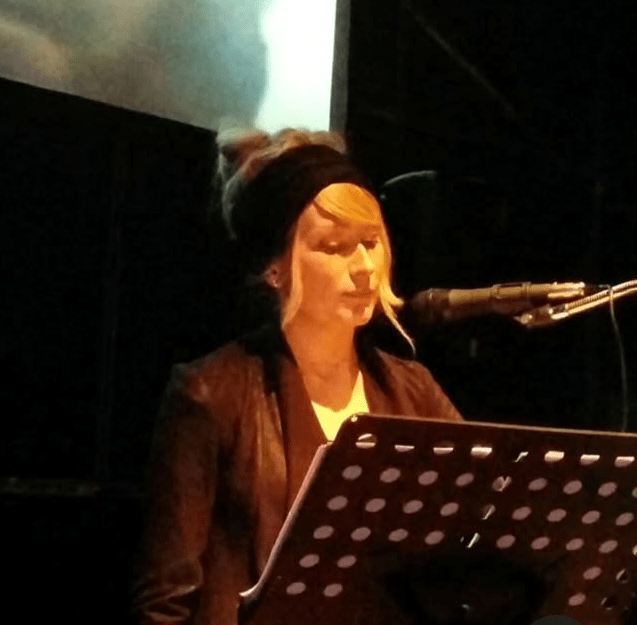
Mark Jay is a film-maker, writer and visual artist who has been causing cultural disruptions for almost half a century. His documentary and fiction films have gained awards at international festivals and are in worldwide distribution.
Mark started SKuM ‘zine in 1976 aged 14 after bumping into members of the Sex Pistols in Rock On record shop in Camden. Issue #1 featured Sid Vicious’ first interview with his band The Flowers of Romance. Mark became an early face on the UK Punk scene— getting arrested on the Pistols’ Jubilee Boat Party, designing the cartoon poster for their debut LP, and stowing- away on the Clash’s Out of Control tour.
In 1979 Mark co-produced the post-Punk poetry ‘zine All the Poets, in London and San Francisco.
Mark has recently published two Punk Poemtry volumes on the Spinners imprint available
GESHMACK X GESHEFT (Tasty X Biznez), chronicling his extra curricular escapades from 1972-78 from Skinhead Moonstomps to Dead End Career Opportunities (that never knock).
FIVE YEARS (Between the Gutter and the Galaxies), which rips into the collision of Bowie and Primal Punk—where Rebel Rebels tore through 1972–76 Britain, spawning the Hot Tramps and theYoung Dudes who would carry Bowie’s spark forward into the chaos.
Both volumes are companions-in-spit to Mark’s forthcoming novel / Midrashic memoir of misbehaviour—THE NUDNIKS OF 1977 — to be published in 2026 by Spinners, which delves further into his back catalogue of sedition and religious disobedience.
Mark’s poemtry and prose employs an unreliable lexicon of Yinglish – a language of coughing and cursing brought over from Eastern European Shtetls in the 1880’s and stirred into the melting-pot of Cockney East London’s pie & mash emporiums.
Follow Mark’s instagram @mark.jay6262 or schlep through his website www.markjay.tv
Vik Shirley is a poet and writer from Bristol living in Edinburgh . Her collections and chapbooks include: Persona Digitalia (PhotoWorks, 2025), a photo poetry pamphlet which was selected for the inaugural P5 photo poetry series, Some Deer (Broken Sleep, 2024), Strangers Wave (zimZalla, 2023) and Corpses (Sublunary Editions, 2020). Her work has appeared in Poetry London, PN Review, The Rialto, Magma, Perverseand 3am. She has a PhD in Dark Humour and the Surreal in Poetry from University of Birmingham.
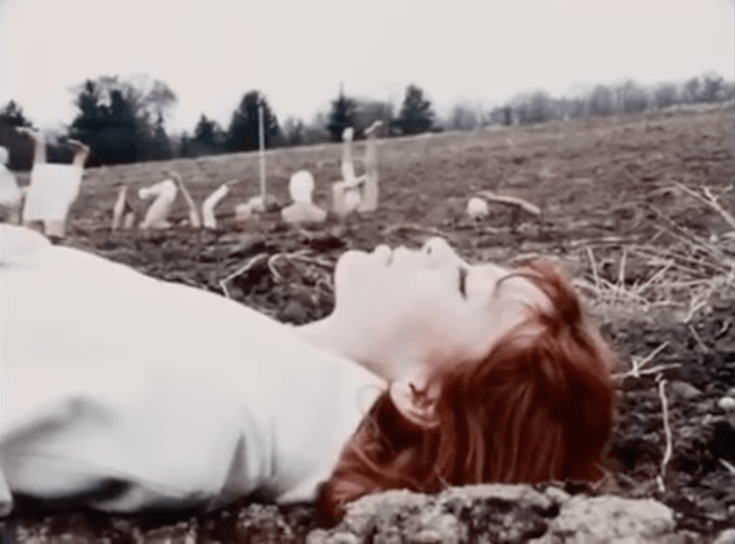
Jesse Hilson is a writer and artist living in the Catskills in New York State. His work has been published in venues like Hobart, X-R-A-Y, Maudlin House, Apocalypse Confidential, Expat Press, and others. He has published two novels, Blood Trip and The Tattletales; a short story collection, The Calendar Factory; and a poetry collection, Handcuffing the Venus De Milo. He can be found on Instagram at @platelet60 and he runs a free Substack newsletter called Chlorophyll & Hemoglobin.
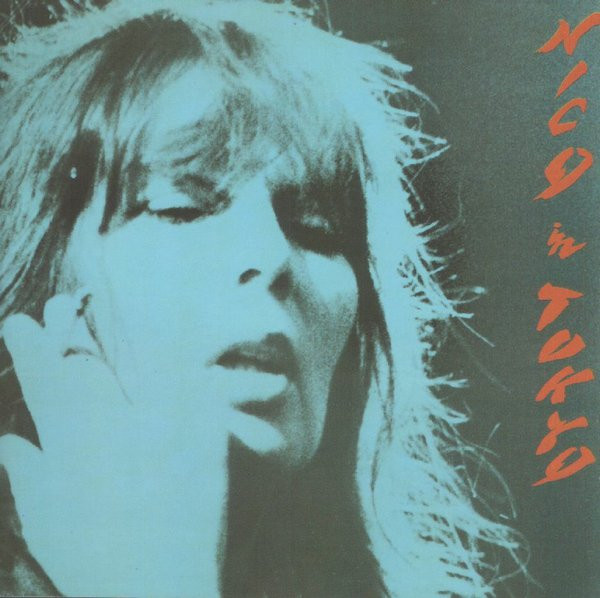
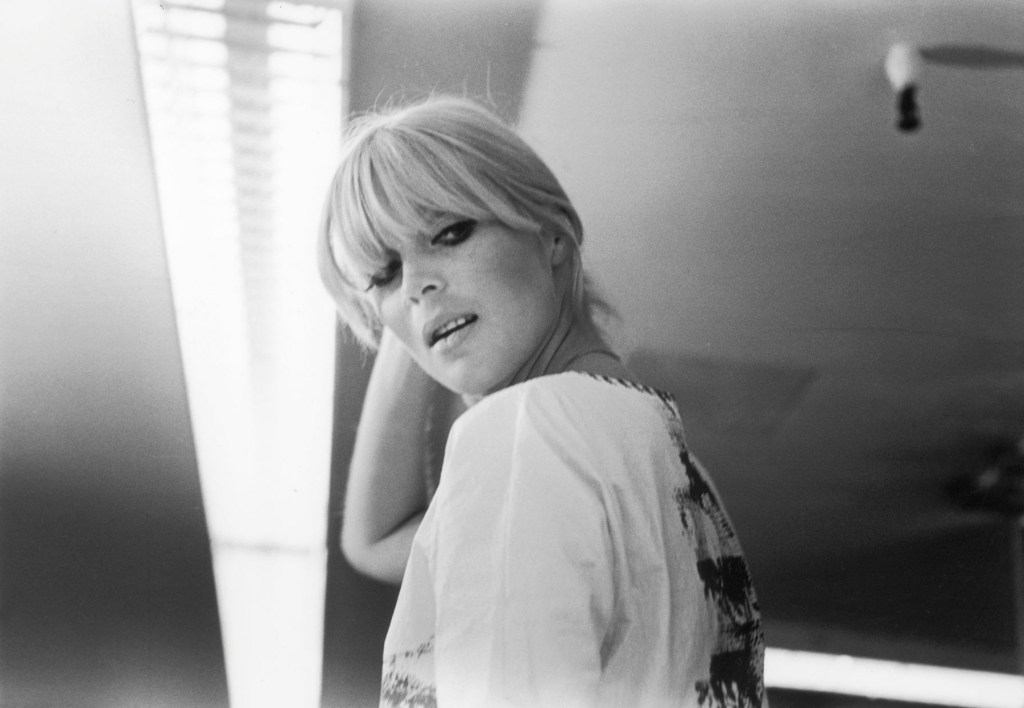
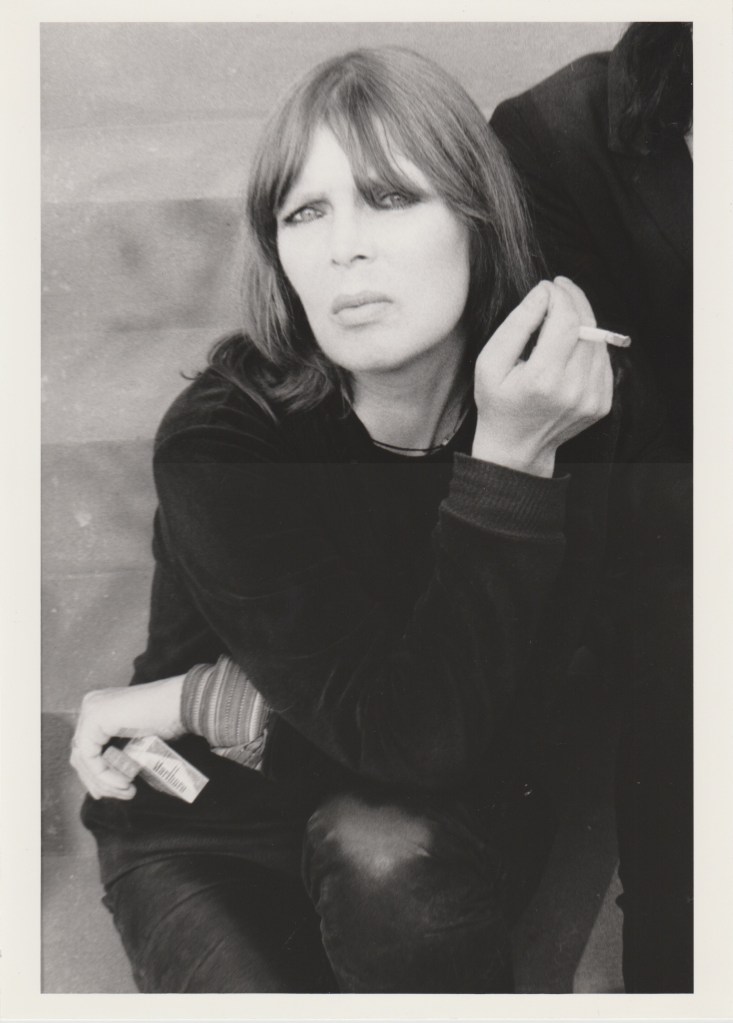
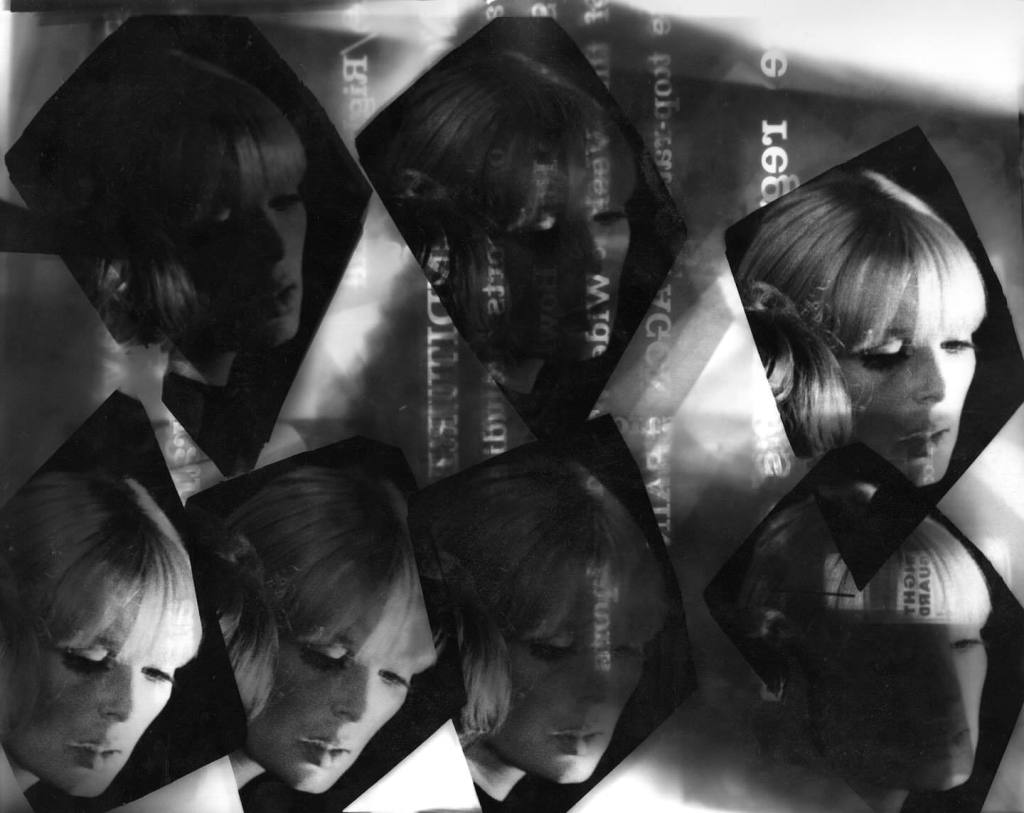
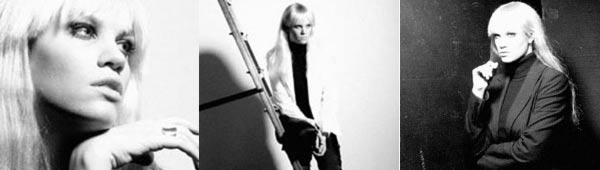
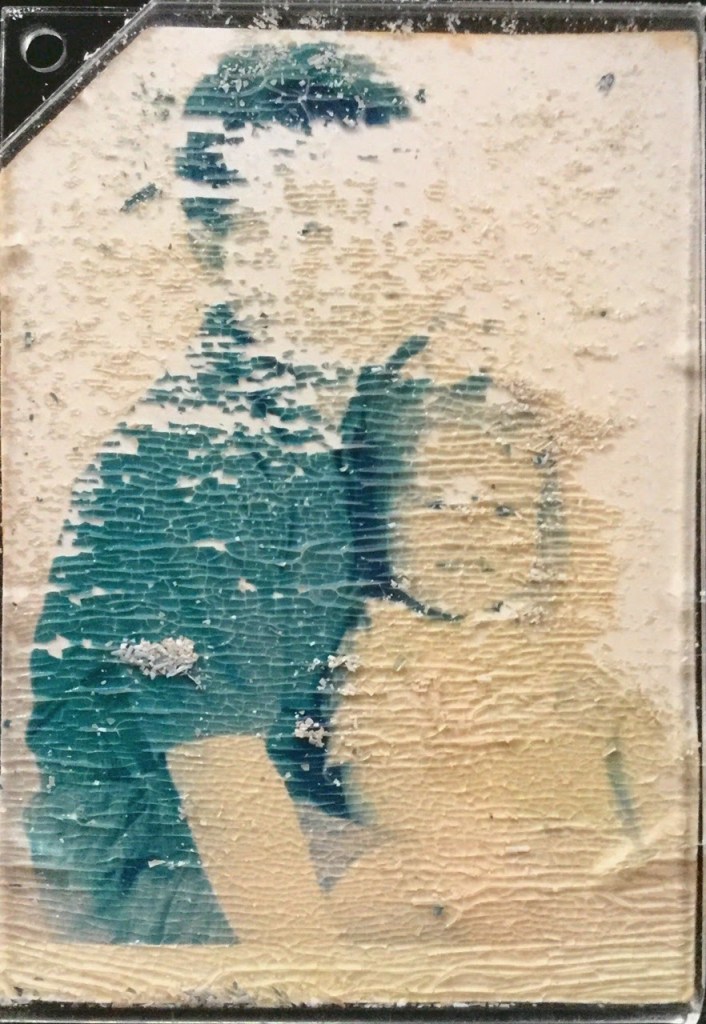
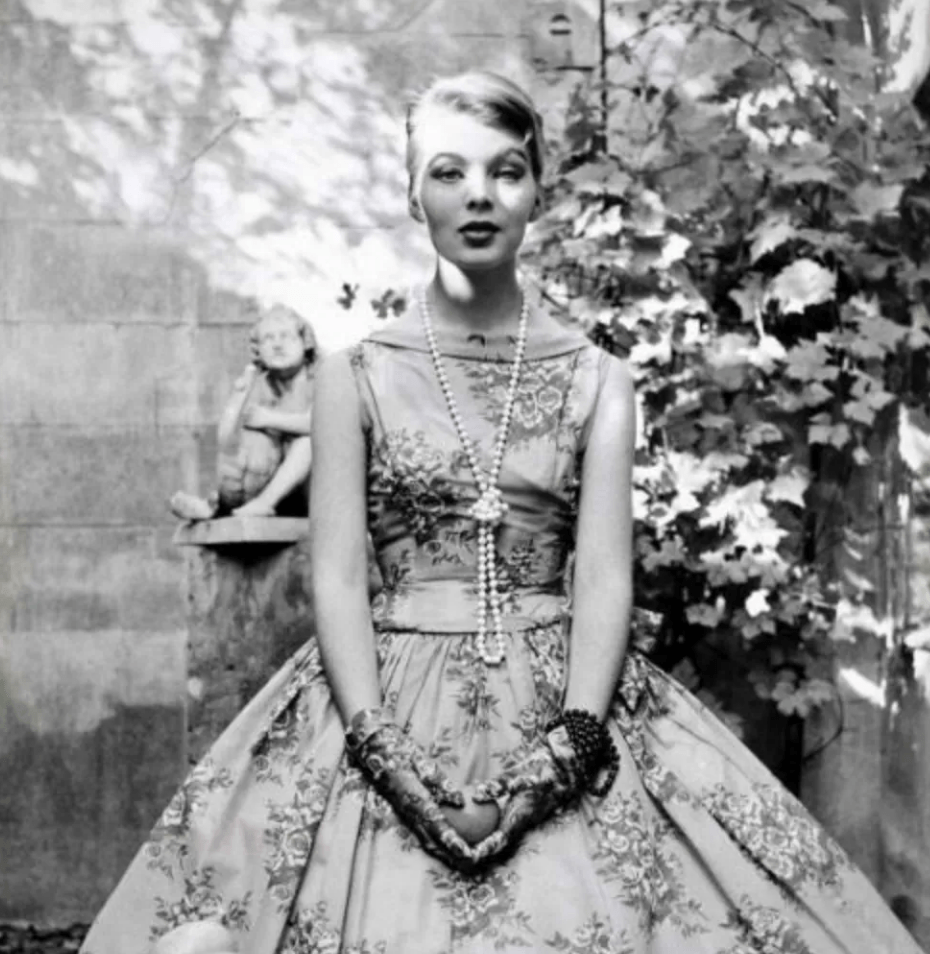
A young Nico in Berlin, photographed by Herbert Tobias.
Nico Restored
I. Because Nico could not foresee the danger ahead. She was not careful, she was a child. Above her Hell’s Sun moved blackly—How far away? Shall I touch it?– Like some shiny wet ink spot, or a stuck wet leaf.
II. Before her journey back Nico slept and slept and dreams: back then it was all right. Back then it was a wall of black crickets and her baby sitter’s ventriloquil voice. As she slept It watched over her, and loved her in Its brief, iron-lung heart. It did not want to let her go, but knew, but knew. It did not think of itself as lost, it did not think of itself at all. It just was. It just wanted.
III. Nico did not think of herself as lost she did not think of herself at all. She just was. She just wanted. Christa wanted. It has changed, she thinks. Nico’s Nico. Come for Nico. She just wanted the image of her lost face. Herself. For a moment Nico could not imagine Nico, nor recall the green of green, the hum of wires, the flash of fires, the sound of sound had come apart
IV. It has changed. She was nowhere. Her heart. Inside her. Christa wanted gravity. The thing that was not flat watched her from behind a red cliff. When she laid her white hand across her red heart Its mouth opened. Her ears could not catch her own dripping sound. She said her name to hear it, the sound When It moved Its knotted head It pushed Itself out of gravity.
V. Nico says: When I stand on the roof of the opera it’s amazing I don’t fly off. Nico sits atop a red cliff, atop an expanse of red sand. As red as far as the eye can see. She is red, too, from the sand, mixing with her sweat. She takes off her sweater, and tosses it aside. She takes off her shoes, and lies back. She touches her body. It has changed. Her body is red. Afterwards she leans forward to shake her hair until grains of sand fall out like thunder.
VI. Nico marvels that although she has not eaten she is not hungry. It has fed her food while she slept, careful to remove each and every crumb from her face with tweezers. It has spent an eternity using its tweezers to move mountains, grain by grain. It does not want Nico to escape, but It does not know how to stop her. The thing it does best is observe. It does not know how to stop things. Back then it was all right.
VII. Back then, Nico, thinks, it was all right. It finally comes for Nico while she sleeps, curled in the sand. It cleans her face, grain by grain, not even touching her skin. It spread its wings over her to measure her size. It considers its sack full of potions. It worries she is dead and leans close in to her face. It loves her so gently. Take me back to back then.
VIII. The marble index of a mind forever. Christa wanted. To free her mind, because it was caught. I wouldn’t want a different variety, thinks Nico.
Nico thinks in shapes more and more. Round and Square. Truth or Dare
are not shapes.
Not sound. Not gravity. The Absolute Zero.
Nico’s mind is a shape that comes to free her mind, because it was caught with Its claws and retraces her footprints she just wanted to free her mind, because it was caught with Its claws retraces her footprints squares and triangles, circles and cones.
Her own shape, the pattern of sunlight just wanted to free her mind, because it was caught with Its red mountain claws and triangular imagination, circles and cones.
Fright and dread, fear and bones, Wehrmacht dreams. Her own but a King.
Come for Nico. But a King. Come for Nico.
Her very own body in the night, beneath the Ibiza sheets, the shape her hands make. The real Nico, more real than real, her old self
a Sleeping Beauty for some fierce Prince but It is not a Prince. Shape, the pattern of moonlight upon more and more, the hospital floor.
Her very own body in the night beneath the light, the shape the world makes.
The real Nico, more Nico than Nico, her old self a Sleeping Beauty for some fierce Prince.
But It is not a Prince. Come for Nico, no fangy King beneath the sheets the shape her hands make.
The real Nico, more real than real, her old self a Sleeping Beauty for some fierce Prince.
She just wanted to free her mind to be the hunting thing with claws of shade. Where It went, Nico wonders, and retraces her footprints. Sleeping and murder. Squares and triangles.
Fright and dread, fear and bones. Her own melodic shape, the pattern of moonlight upon the institutional floor. Her very own body in the night beneath the white cold sheets, the red triangulated claws of Greek thought.
The real Nico, more real than real, her old self but this thing–this It–is not a Prince. Rather a King. Come for Nico.
Sleeping Beauty for some fierce Prince. But this thing—this It—is not a Prince rather a Devil. come for Nico.
She just wanted to free her mind, because it was a trick and retraces her footprints squares and triangles, circles and cones. She just was. She just wanted. Christa wanted.
Her own shape, the pattern of moonlight upon the hospital floor. Her very own Nico in the night, beneath the sheets she just wanted to free her mind, because It was caught with Its Trick and retraces her footprints, Squares and Triangles circles and cones fright and dread fear and bones. Her own shape Red-sanded body and mountain side her cold linoleum floor. Her very own body in the night come for Nico.
IX Back then it was all right. Take me back.
Come for Nico.
Nicholas Rombes is author of the novels The Absolution of Roberto Acestes Laing (Two Dollar Radio), The Rachel Condition (CLASH Books), and Lisa 2, v 2.0 (Calamari Archives). He co-edits TIMECODES (Bloomsbury), a film book series dedicated to slow criticism and is author of 10/40/70 (Zer0 Books). He’s an English prof. in Detroit, Michigan.
Misha Honcharenko is a Ukrainian writer based in Todmorden, West Yorkshire. Their debut novel, Trap Unfolds Me Greedily, was published by Sissy Anarchy in 2024, following their first poetry collection, Skin of Nocturnal Apple (Pilot Press, 2023). Their work has been featured in Vogue Ukraine, Erotic Review, i-D, AnOther, Tank, Worms, Manchester Review, and minor literature[s].
over seventy windblown years tied to the mast, patience has eluded me leaving me to hum along the shrillest siren call in grating irritation struggling to find or develop a minimal measure of discernment to catch my breath, one breath between the healing itch the mending pain and the vicious nag of wounding aches might say my suspicious mind dove for a dark, silty bottom and found the drain unclogging gratitude or trust to sluice and flush a pressured dram of bittersweet relief
. . .
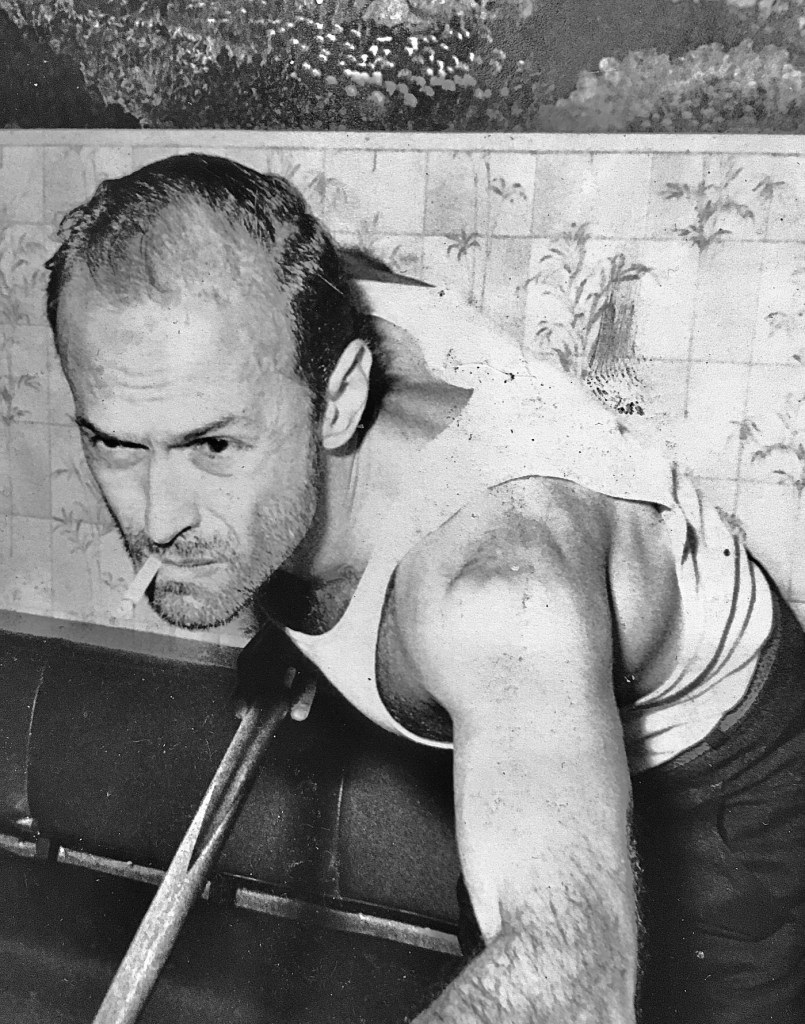
David Rodriguez is a 71-year-old prodigal son trapped in a Ground Hog Day loop. The thought that all the scribblings of my circuitous, rambling life will either end up in the dumpster or belong to a posterity I will never see has been keeping me up at night lately.
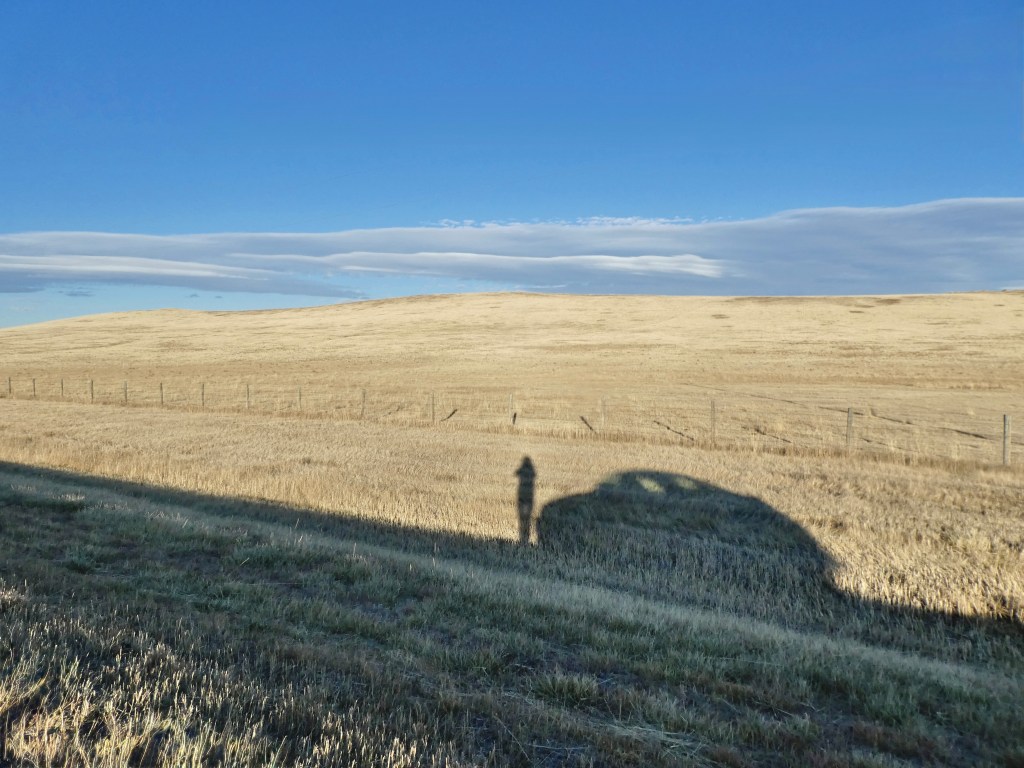
Every year I’m taken there the air the light the sight of leaves drifting past without a care I’m driving in the Rockies in my old Plymouth Valiant a shade of bronze you don’t much see anymore colour of stubble fields at sundown I’m barely 23, endless Christmas trees line the highway now it’s the mountain peaks the sun is tinging pink I think I even sing (I wouldn’t put it past me) Neil Young’s Comes a time when you’re driftin’ Comes a time when you settle down – Okay, what’s this side of the road a herd of elk just standing there watching five in total the reason I recall is I write it down when I get there the cabin I’ve secured
for winter and right on cue like a movie I pull up just when it’s not dark yet but getting’ there now that song also takes me there to that door the smell of firewood stacked by the door I watch the kettle while it boils I open my notebook on the kitchen table by a window with green curtains and lo and behold I find a candle meant for emergency but at 23 who waits for that you see a candle you light it I write September 1978 on the first page
No, hold on, it’s not a notebook it’s a school scribbler dime store type, Hilroy, map of Canada on the cover timetable on the back and bottom left: 30 days hath September April June and November I write what comes to me how people in the past wrote it snowed all day baked so many loaves of bread as if it needs to be said “Saw five elk on the way here” and leave the unpacking for tomorrow
but when tomorrow comes I don’t unpack too busy sitting in the sounds of silence a woodpecker tapping in a nearby tree maybe I imagined that but I know this much is true: I set my Smith Corona on that kitchen table by the window, the green curtains and I tap too all day long tap tap tap tap into the next night and all the days and nights after that Who knows where those words are now they’re long gone but not the sound they made landing on the page not the smell of firewood by the cabin door the leaves gathering on the window ledge the candle going out I probably slowed the Valiant down when I saw the elk I’m willing to bet I did you never know if they are going to stay or if they will wander
. . .

Working from the small mountain town of Nelson, BC, Canada, Kelly Rebar has written for theatre, film, and television. After a long hiatus, she recently returned to playwriting and created two one-woman shows, both written in verse and scored with music. She also works with photographic images, old and new, and writes short poems.
The dust on the road Rotting leaves on a cold autumn morning The faint scent of hasty intimacy hours earlier The dogs are nervous tonight There’s blood on the wind
Floodstained thaumaturge Pyrolatrous and atavistic Smudging our faces with ash from bridges burnt
I’m following a blood trail My ego has been freebleeding All over the place again
Shamanic nights under a bright full moon Snow in the deep forest Moose tracks in the frozen bog Hematite rocks the colour of red ochre Spells of protection in the night I met a strange god One that no man has ever named
. . .
Myrmalmens ballade [IV/24]
I found God at a gas station in Nissedal Now I’m siphoning gas here in Niflheim There’s a radio tower on the heath Amongst the cows with their GPS trackers
My mind is a swamp Where the air is thick with things That are out to drink my blood
I’ve got a new best friend The red forest ant, Formica rufa Is it all in my mind or are they all Moving with strange synchronicity
. . .
Purple Prozac [VIII-X/24]
Chafing on my chakras Inflammations in my legs Stains on my soul And I’m standing over here Trying to laugh it off Saying pretty please, Pleiades
With your New Moon Theory And my dharmatology Trying to figure out Where all these gulls go to die I’ve got a bad back From looking over my shoulder
The smell of rotten petunias In autumn grey streets I love your geometry Even when you taste like dead dreams
If love is solitude gone bad Then I’m sitting here fermenting With your pyrolatrous autumn colours Alight in the early evening sun
The man I’ve become has no reason To be ashamed of the boy I once was You laid me down among the lupines Placed a cigarette in my hand
Landscapes of IKEAs And your crepuscular smell I’m standing in the middle Of the wrong side of the road Trying to snap a picture For our interdimensional trophy room
Wake me if you wanna smash You said, fell asleep And ran a fever all night
. . .
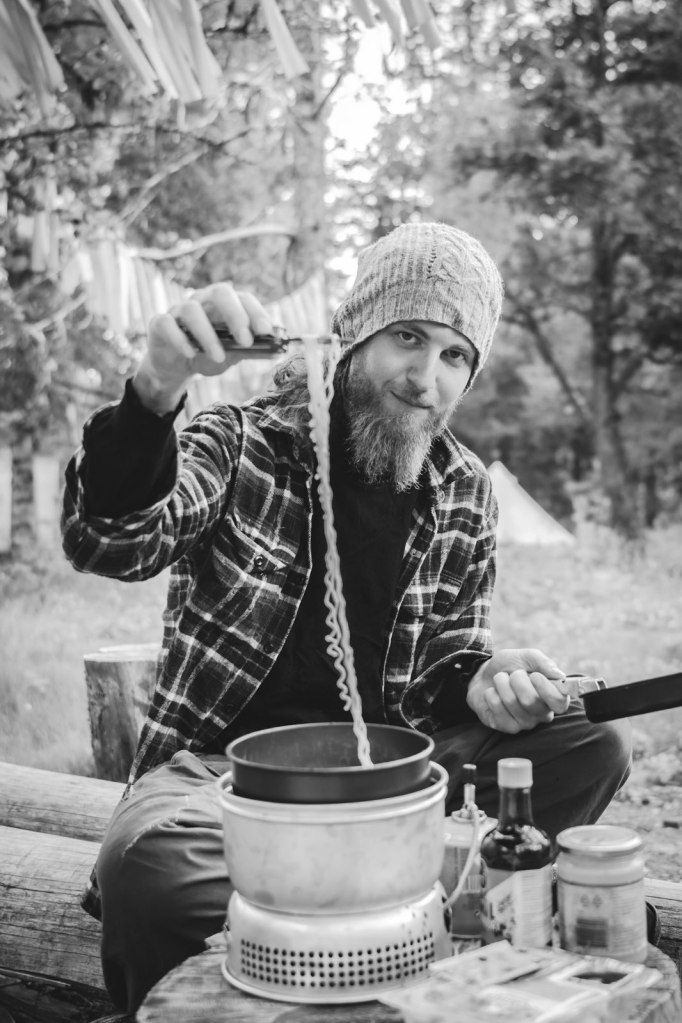
Born and raised in northern Germany and emigrated to southern Norway in his late 20s to take care of his child, Alexis Karlsen‘s work spans three languages and reflects the life experience of a disillusioned underdog drifter. Alienation, death, restlessness, substance abuse, sexuality, and the unquenchable thirst for love are recurring motives in his writing. Karlsen’s background is in social ecology, and his German-language novel Am Ende des Fadens, which touches on themes of magical realism, is nearing completion after 13 years of work. He can be found on Mastodon: @brisling@merveilles.town.
Cutting locust tree saplings to feed to the sheep who blatt impatiently. A locust grove has started and it must be stopped. Locust has thorns and is good for little except feeding goats and sheep. Although I’m sure the land has a different opinion. But the land does not have a vote, so cut the saplings will be.
The cost of the coast is the loss of honest sand, which was host to myriad lives we’ve failed to understand. Now there are daily sweeps of machines to scrape the bought sand smooth. You may find old cups or leftover snack bags there, because shells are crushed by the beach sweeper and these shells all came, once, from another beach from whence this sand was harvested.
Let’s go to the beach. Look. Here there are thorns and thistles. All the things to hurt your tender feet. Thistles wave their brave purple flags above their fierce foliage but it does them no good, cut they will be. Wear your rose gauntlets when you go into that field, and boots. The beach is friendlier, having been made so by voted decree. The sand is very hot, however, as no vote has learned to cool it. No vote could, though some still believe.
Slip into the water, still a bit cool. Out there are creatures who would like your friendship, and others who care for nothing but their next meal. Sometimes they are the same. We might recognize ourselves there too in the water when it’s calm. We’ve not yet drowned nor learned to breathe in the deep. What do we need to learn? I often wonder, or if it is possible at all, to learn, to breathe.
. . .
Kyla Houbolt is a poet and gardener living in North Carolina. Her first full length poetry collection, Becoming Altar, from Subpress.
Through a grimy window open fields small houses by tracks people standing or sitting in doorways watching the train
. . .
6.30 p.m. muezzin’s call to prayer
. . .
The battered, rusted pans the workmen use are as beautiful as things in a museum.
. . .
names of butterflies Sahyadri Birdwing Sahyadri Grass Yellow Sahyadri Rosy Oak Blue Malabar Banded Swallowtail
. . .
Nightfall. A lamp, its shadows
All morning, rain. Thousands of cicadas sing at once. I sit by the window and sip coffee, watching rain pour from the eaves. I’ve lost touch with old friends. Lizard droppings lie scattered on the window sill.
. . .
I’m not useful like a carpenter or plumber. I sit alone on veranda steps, gaze at the evening sky. Neighbors are quiet; the road to the village is empty. The moon set an hour ago.
. . .
Shadows blur on whitewashed walls. Serrated, spinning: leaf midair. Sensitive cells know day from night. Chitin, bone, shell.
A street barber squats on the pavement. Mirror, comb, scissors, razor, soap neatly arranged on a threadbare blanket. Coins fall like stars.
. . .
moth shadow, web let the mind rest
. . .
I’m a stranger, outcaste passing through
. . .
A dog limps past, vagabond. Whisper of river grass.
Drums reverberate. An oil lamp gleams. Heat. Sweat. Gods and heroes dance through the night.
. . .
The rain doesn’t end. Fungus eats our nails, books grow white mold. Pillows and sheets smell of mildew. The whitewashed walls turn green. A huntsman spider clings to a corner of the ceiling all day. There’s no daylight. The rain doesn’t end.
. . .
Fog at dawn. The smell of cook fires, feces, wet earth. The sky stays dark. My heart: a withered seed.
. . .
Last night I dreamed I was walking by the sea and came upon a group of thatched huts. I asked an old man, “What place is this?” “Nelcynda” he said.
. . .
I light a citronella stick. Bullfrogs roar in the flooded paddy field. Already the road is quiet. My lamp flickers and then goes out.
. . .
Kim Dorman was born in Little Rock, Arkansas, and raised in Oklahoma and Texas. He has worked and traveled in North America, from Mexico to Alaska, and spent time in France, India, and Sri Lanka. His books of poetry include Owner (Longhouse, 2016) and Kerala Journal (Corbel Stone, 2021). He currently resides with his wife in Kerala, India.
as blue-antlered dawn falls vertiginous over mountains
ii.
deadfall, muskeg
flakes of mica
the cryptic living tinted with winter
(each nivean heart an individuated star)
high bright tooth of winter moon
hill-spines arc – every vertebra a birch
iii.
the lake rim glows but its eye is dark
clouds and rain dissolve there
(and shores and rock)
within catacombs of willow
a bobcat ruby-throated attends to its altar of rabbit
and the forest, dimming
snaps shut its anthracite wings
iv.
the river is coal-blue sap
deadfall tamarack
there are flickerings at the edge of my vision –
movements through the long-bodied pines
(wolves are stirring, elk are stirring in the cold embers of this forest)
and water is a dark bloom, is never still
hylae swell
bones blacken
v.
between blue-skinned spruce and a fire calving light and heat
at an altar of water where all are subsumed or broken
darkness is drawing everything open – a long-stemmed and leaning dark
within which I may be scented or seen
and so I try to be silent
to intuit each movement within this catacomb of branches
to not give myself away
vi.
in a place wholly inaccessible I arrive to sticks and cold rain
beside white birch at the edge of a silent lake I rest and wait
for the one voice of night to share with me its oldest name
. . .
Autumn Richardson is a poet, editor and translator. She has authored 5 collections including Heart of Winter, An Almost-Gone Radiance and Ajar To The Night. Since 2009 she has been co-director of the multi-media publishing house Corbel Stone Press alongside British artist Richard Skelton. Between 2013 and 2022 she co-edited the influential journal of ecopoetics and esoteric literature, Reliquiae. Originally from Canada, she now lives on the west coast of Ireland.
¿Y el fuego que no se ve? ¿Cómo registrarlo? ¿Y la llama que invisible cerca al cuerpo? ¿Y la hoguera incolora que arde en el cerebro? ¿Cómo dibujarlas, cómo explicarlas? El incendio ciego encerrado en cada gota de sangre, ¿con qué tinta, con qué pigmento se traslada al papel? ¿Cómo hacer visible el alcohol que quema su anillo fantasma en la retina? ¿Y el fuego innombrable que calcina la lengua? ¿Y el alambre ardiente y afilado de la circunferencia que te atraviesa el alma? ¿Cómo decirlos, cómo llamarlos?
And what of the unseen fire? How to record it? And the invisible flame about the body? And the colorless bonfire roaring in your brain? How to draw them, explain them? The blind blaze enclosed in each drop of blood, with which ink, with which pigment can it be put to paper? How to make visible the alcohol that burns its phantom ring on the retina? And the unnameable fire that scorches the tongue? The blistering, razor wire that encircles the soul? How to name them, how to call them?
. . .
El nombre es una espiral, un erizo que da la vuelta a la sombra. Adivinas luz al torcer el muro. Casi la tocas, pero no la alcanzas a ver. Arena blanca. Sigues. Recorres un segmento del círculo con una jaula de pájaros vacía en tus manos: la puertita choca su metal al abrirse y cerrarse a tu paso. El mar deja en libertad uno de sus vientos para que se pierda en el laberinto. Lo encontrarás llevando el rumor de campanas distantes y de piedras tristes y metales que brillan lejos. El palacio del caracol es su esqueleto. El palacio del estratega es su memoria. Hay un mar vivo en el centro. Al humedecerse, el cráneo del remolino canta su canción. Es lo que llega a tu oído.
The name is a spiral, a sea urchin turning round the shadow. You glimpse light when curving along the wall. You can almost touch it, but you can’t quite see it. White sand. You continue. You pace the segment of the circle with an empty birdcage in your hands: the tiny door clanks its metal open and shut with your footfalls. The sea sets free one of its winds to lose it inside the labyrinth. You’ll find it carrying the rumor of distant chimes and sad stones and metals that shine from afar. The seashell palace is its skeleton. The strategist’s palace is his memory. There’s a living sea at its center. When wet, the whirlpool’s skull sings its song. That’s what you hear.
. . .
A lo largo de la Odisea, hay una frase que deja un leve rastro en la historia de los días y las noches de Odiseo entre las islas: la luz del regreso. Telémaco la pronuncia por primera vez cuando le confiesa a la diosa Atenas, la ojizarca, el temor a que su padre hubiera perdido ese fulgor. Odiseo la emplea cuando trata de explicar a Calipso su deseo de volver a Ítaca. Hay esperanza en esta imagen, pero se trata de una esperanza humedecida de tristeza. La tristeza de la imposibilidad del retorno, la de la callada certidumbre de que la Ítaca de la cual partimos no la encontraremos ya. La Odisea, como todos sabemos, es la apuesta para recuperar la luz del origen, la primera que vieron nuestros ojos y por la que vale la pena morir para verla brillar una vez más. Todos tenemos una Ítaca que reverbera en el filo de nuestro horizonte. Así, el poema entero –es decir, la vida- se concentra en esa imagen, como la luz de la isla en el vaso que dibuja su reflejo en el muro.
Throughout the Odyssey, there’s a phrase that leaves the faintest of traces on the history of the days and nights of Odysseus among the islands: the light of the return. Telemachus first pronounces it when confessing to the goddess Athena, the bright-eyed one, his fear that his father may have lost that glow. Odysseus uses it when trying to explain to Calypso his desire to return to Ithaca. There’s hopefulness in that image, but it’s hope dampened by sadness. The sadness of the impossibility of return, that of the quiet certainty that the Ithaca we left won’t ever be found again. The Odyssey, as we know, is the attempt to recover the original light, the first our eyes ever saw and for which it would be worth dying to see shining once more. We all have an Ithaca reverberating on the edge of our horizon. Thus, the entire poem—that is to say, life—is concentrated in that image, like the light of the island in a glass that etches its reflection on the wall.
. . .
Born in Chihuahua, Mexico, Gaspar Orozco has published 8 books of poetry, three of them translated in English by Mark Weiss. He has translated poetry from English, French and classic Chinese to Spanish. He was a member of an obscure punk band, Revolucion X; the Spanish label Metadona Records will release an album of their lost recordings in December 2025. He currently works as a diplomat.
There are people with real names and there are those who will never know such a thing. Those with real names have had them called out loud in the valley of their soul. Those people are not the property of weeping angels. I have an angel assigned solely to weep by me day and night. The river of an angels tears is a damned thing. A cursed dash of the darkest rapids. The creatures that swim there! Winged eels with electric teeth. Octopi in buttonhole suits. They see my faded scales. I sit by their mirror smoking. I am unafraid of damnation. Such a thing was foretold for me. There are those with addresses and amalgamations of numbers and streets they know for some time. I have never known anything for long. It isn’t my way. There are those who have something they may call home and it may be bad or it may be good but they are not tied to it by invisible ribbons or bows. They will have seen it. They will have slept in it. Their feet understand they must return their owner to there and so that is where they go. The bones of my feet ache. They resent shoes. They resent places. They want to return to the river. There are those that are vouched for by others who have known them since they were a drunken night, or since an uncle danced in a way that his not yet conceived a nephew would later copy his particular show of movement (or lack of) whichever it may be. There are those who are defended by mother to suspicious father. There are those who have people who know them. There are those who sit with those they know under to the glare of nurses inspection. When they stand before teachers and bus drivers and the tyranny of all other children there are those who are in some way vouched for and then there are those that are not. No concept of what it means to truly know their face in another eyes, or to actually have the right to even a few letters they should be recognised by. Or perhaps another human who knows them for more than a second or a day. Raised by people paid to keep them for a contracted time. There are those who feel death may be their only truthful companion. They have a longing to return at all times. Even when they do not know where that place might be exactly — that they could return to. So they do not! There are those who are considered suspicious by nearly all who encounter them on some deep and primal level. Like foundlings, or fairies, or any other being who arrives unknown — their presence can incite revulsion or cruelty or pity at best. If lucky their presence might even incite care. They are an open wound. Lacking the kind of a skin that can protect from bacteria. Devoid of layers. They pass without concealment. Those who will never have the right to a name! I am of those. Somehow always assumed to be guilty, unworthy, most certainly contagious. We must be contained. I gave you kindness, what did you take from me? That’s what they often say. It is not often kindness that they have given. The things they have done would render the river of the damned even more impenetrable than it already is. They will always deny it. What they did, they will always blame the one to whom it has been done to. Always! I never met one of them or they or those kinds who would not say I was a liar, they said it to themselves, they said it to everyone else but most hideously — they said it repeatedly for their entire lives to me — so here is my lie, you may read it as truth but it would not be, it would be more than truth, it would be certainty. To those who will also not-be-named I must point out — I did not believe them then and I do not now. I know words. I know terrors. I know monsters. The truth of irrevocable realities — do not belong to them: cannot be named by them: cannot be contained by them — truth is the most garish of foundlings, it is the eternal spirit companion of weeping angels. This is my imprint. It belongs to me.
. . .
Dr Jenni Fagan is an award-winning, critically acclaimed novelist, poet and artist.Published in global translations the author of four fiction novels, one non-fiction memoir, eight poetry collections, exhibitions, adaptations and with another two new fiction novels due out next year.She has won The Gordon Burn Prize 2025, was a Granta Best of British Novelist (a once in a decade accolade), Scottish Author of the Year and has been on lists from The Women’s Prize, BBC International Short Story Prize, The Sunday Times, Encore and more. Fagan has worked extensively with vulnerable groups including those in prison, and the care system where she herself grew up. Described as The Patron Saint of Literary Street Urchins, Fagan’s work responds to the centre always from the margins and without compromise.
Watercress abundant, pooled, fed by a freshwater stream that leaks a channel, a winding furrow carving an arc across the sands. Joining the Atlantic salt waters. Diluted.
Conas ta tu a stor? How’re you love? Bhfuil tusa ann? Are you here? Where are you?
Under the rocks……..caught in the weed………….? A remnant of yourself…. a fragment, flotsam, tiny bones bleached out over time.
First child, the one and only first, spent in the sands and carried away unseen.
Pause, sigh, and breathe. Slow. Clearing. In and out breaths. Fuck it …
The stream’s absorbed when it reaches the sea. Red standing stones guard the shoreline. Dug in, bulk undiminished through the years. Smooth blank faces peppered with tiny lives. Living creatures in spiraling whorls, paint-box colours distinct from the rest with their blend of muddy greys, blacks and browns. The discreet, minding their own business ones.
Keeping to the low formation, leaning into these sentinels, pushing up hard. Limpets impress their determination into my back, encouraging them to leave their marks on my skin, through the layers of time and guilt. Tiny bruises, kissed into my shell.
Cá bhfuil tu mo stor, where are you my love? Still here? Shape shifting your small self, half formed baba deas, lovely baba? Or have you vanished into mists of salt water and weed? Níl fhios agam, I don’t know, may never know.
Sins for which I alone hold no charge, spoken in my head. Not then, had no clue back then.
Busy in the kiddish world of long summers, heat hazed early mornings blended into same grey days. School and holidays, home and here, the Red Strand. First beach out of Clonakilty, Cloich na Coillte, stone castle of the woods.
The brother, older but no wiser through the passage of summers, collects the tiny vivid shells under instruction from his know it all little sister. All through our early rising summers for as long as it pleases him. Mostly in the absence of anyone else. (He’d prefer the other boys, tardy, sleeping-in boys, almost always with a ball).
We sort the shells into currency for our long playing games, oblivious to any lives inside the whirly chambers. Red, yellow and green defining value, same as fruit pastilles or wine gums;sticky pleasures. Flavours imparted by the power of suggestion.
In truth they all tasted much the same, the richer the colour the more they’re desired, sweeties and shells. No truth to either.
He is obliging, patient and generous, prepared to share a vision of the day, playing shop? Or being rich for our new life ahead. Content til he gets a better offer……at least til then.
A big brother like no other, he is dark to my fair, tall where I am slight, brave while I am cautious. Protective and free running altogether in one certain self. His infectious self-belief sweeps us into his limitless foolhardy world and we’re away. Climbing rock faces, out of windows and trees, into danger without looking back. Running for miles with no sense of the dinner time clock. It chimes without our ears to mind it. Into trouble over and over he brought me, with no regrets.
Not true, baba deas. My one regret. The original sin.
Hours we spend under the towering protection of this headland. Obscured from view by the remains of an over-ground tunnel. Giant concrete slabs scattered about, fallen, impotent, discarded. Marooned in the sands.
A hidey hole, a place of travel from one gloomy tunnel end to the other, between the stream and the sea.
Fresh water and salt, fishing in both, crazy laughter and messing, all the way to tears and squabbles on rare days, high days and holidays, tense sort of days.
Status Quo, the quo, ruled the roost for his whole gang, while we, the girls, follow the Bay City Rollers. Uniform in our tartan trousers, Baby love, oh baby love, skimming our thighs cutting into our vain attempt to hold the boys attention. All the while loving our idols, the special one, he who holds our gaze on the telly. A band member for all the seasons of our pre-teen crushes.
Teenage years we return to the Red Strand with beer and tents. The sea is the place to be rather than the shore. Trailing friends, boyfriends, girlfriends, cousins once from overseas, to share the magic that no longer exists. Red Strand’s too full of childhood and original sin. Better beaches round the corner, further along the coast, closer to the shore life of pubs, craic and caravan parks.
All these places we never saw as children, never knew were there, so determined was this family not to mix with the noisy ones, the drunken ones. The families that might know us from life at home ones. The sleeping in, lying in their beds half the day ones.
Mothers and fathers equally corrupt longside their offspring, in the gospel of our English origins. They lined up daily at the chip van for their tea. We ate freshly caught mackerel with bread and butter, the food of the Gods, and so it was. Free, from the sea.
We ate mussels plucked from the rocks. Sometimes lobsters, captured in pots thrown off the shore. Squealing their way from blue black to bright scarlet in a pot alive with boiling water, delicious, with butter dripping from our chins, stinking of garlic. No one ate that stuff, famine food still reeking of the sea but we did. Set apart, positioned above, looking down, while trying to squeeze in.
We were blessed, apparently.
The beach welcomed us back annually, sharing its curves, a safe return into the familiar crook of embracing rocks. The concrete tunnel sheltering our comings and goings from year to year, constant, never-changing. The strand,, our part in it, had a rhythm, a ritual of its own making. It bent slightly each year as we grew up, new faces appeared, alongside the familiar caravans.
Softly whispered voices, rememberings from the sea, in the sand dunes, where courting couples played out their pleasure. Mostly undiscovered, known by all and avoided, quietly sidelined. Not allowed, and still they were always there. Bless me father for I have sinned. Curled up in warm grasses on heated sand that threatened collapse without the tough spines that held it altogether.
All through the early Summers a man ploughed his way, twice a day from the dizzy height of the headland, traveling from his smallholding, along a narrow sunken track. He trailed a donkey and a jennet down onto the strand, on a single rope. Their arrival a Mr Whippy of excitement in the day trippers, our prior knowledge fattening our superior position. Privileged with familiarity, without names, we are known to each other. The donkey man and us, the regulars.
Some days I follow them on their return pilgrimage through the steep channel, the sharp, dry grass nicking my bare shoulders, a minor penance, a small offering. I daydream a change of identity, assuming a place in their holy family on the homeward climb. Shifting from child to blessed mother, to partner and devoted animal whisperer. The donkey man never seems to notice my presence or acknowledge it at any rate.
Codladh samh, sleep safe, a stor, love, where ever you are, under the deep sand or washed clean among the creatures that flow back and forth, in and out of the tides. Three hail Marys and one our father the regular gift for telling lies. How could you not tell lies when caught between the father and the son. I have no idea, only one idea possesses my mind, escape and protection.
First love learned at the foot of the should be protector and corrupt for ever after while nuns whispering lies and responsibility into the shell like of every girl child and what would they know about it anyway? Brides of Christ, be lady-like, be Marylike the impossible mantra, the ideal that will never be matched.
They can’t control themselves, they confide, it’s up to ye to take control, female pleasure, unknown, unspoken.
Is it any wonder a stór beag, my small love, my tiny not fully hatched firstborn that you were conceived and lost on the shore of my innocence. Bless me father, I don’t fucking think so, thank you very much and goodnight.
Transformation, a daily event as the sea wipes out the story of the sand and shore. Washing and rinsing rocks and strand in a matter of hours, filling and emptying the pools closest to the rushing waters.
Anemones, the most tantalising transubstantiation of all. Still to this day, a miracle. Brown jelly mounds stranded in the air of low tide become flowering tendrils of soft pinks submerged in the salt water. Waving gently, they invite touch, dipping a finger into a shallow pool and softly, softly stroking the water closest to the fleshy petals. Too close, they fold themselves in, abruptly resuming their impenetrable personae. Still here, always here, since the beginning of time. Stuck fast to their ways.
Echoing through the years, on every return I pay homage to their beauty hidden in the dark brownness of the rock pools, discomfited in the air heavy world.
Tabhair aire, take care, precious one, watch out for the sidewards crabs lurking out of sight among the weed. Sharp little nipping pincers, painful beyond belief to the unwary, bi curamach, be careful, mind your little fingers and toes.
A fully grown woman this visit, kneeling in a hollow scraped out of the sand. Lost but keeping watch on the tide, inching closer and closer, washing clean its own. Soothing the grains with the patterns of waves, licking into the holes dug out with plastic reds and yellows. Further out to sea, waves churn up the red sandstone rocks lining the basin of the strand. Fractured thoughts coming and going rolling back and forth, testing the present with the past, seeking out long gone shapes amongst the weed, carried and tossed, lifted along the breadth of the curve.
Nothing clear, no single sound, a rag bag of rattling stones to hang from my feet. Uneasy flickerings in the corner of an eye. Glimpses of the jennet’s flashing whites and straining head. His unpredictable nature printed in my memory, a familiar refrain, a chord that echoes in my pulse. He was half donkey and half horse, we said, the mixture of breeding, his magic. Also his devilish power, tempting fate with its unnaturalness.
The water, freezing, has reached me, frothing at my knees and trickles begin to fill the spaces around and between my legs, my feet folded into the dugout. How long could I last? The cold drove me out half way between head and toes, intimate with my belly. Enough already. This time.
. . .
Inter-disciplinary artist Liz Cullinane is a storyteller in words and pictures. Her Belfast based practice is rooted in community activism, theatre design and film collaborations with poets and musicians. Liz’s academic research on early 20th century Irish women artists focusses on Mary Swanzy (1882-1978). Published by the Irish Museum of Modern Art (IMMA), she has innovated a digital opera on Swanzy. Recent exhibitions & writing reflect her engagement with the Achill Island landscape in Mayo.