Continue reading “ULTRAVIOLET: Table of Discontents”An issue replete with luscious adjectives and flights of form
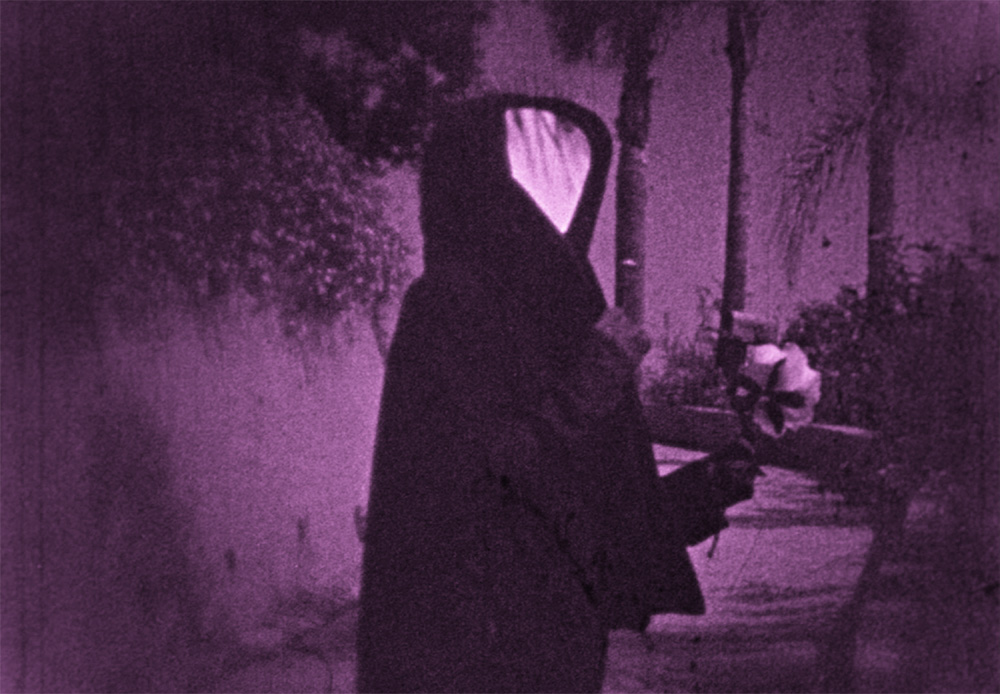
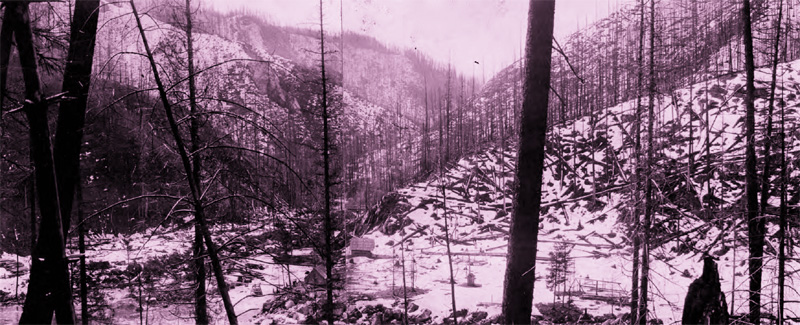
Continue reading “I’ll Be With You Soon by Jacob Wiebe”Words spoken through blood-wetted lips, old words older than old stars rolling cold and heavy across the calloused skein of the sky to ends unknown, to wherever stars go, wherever they end, or so she had been told.
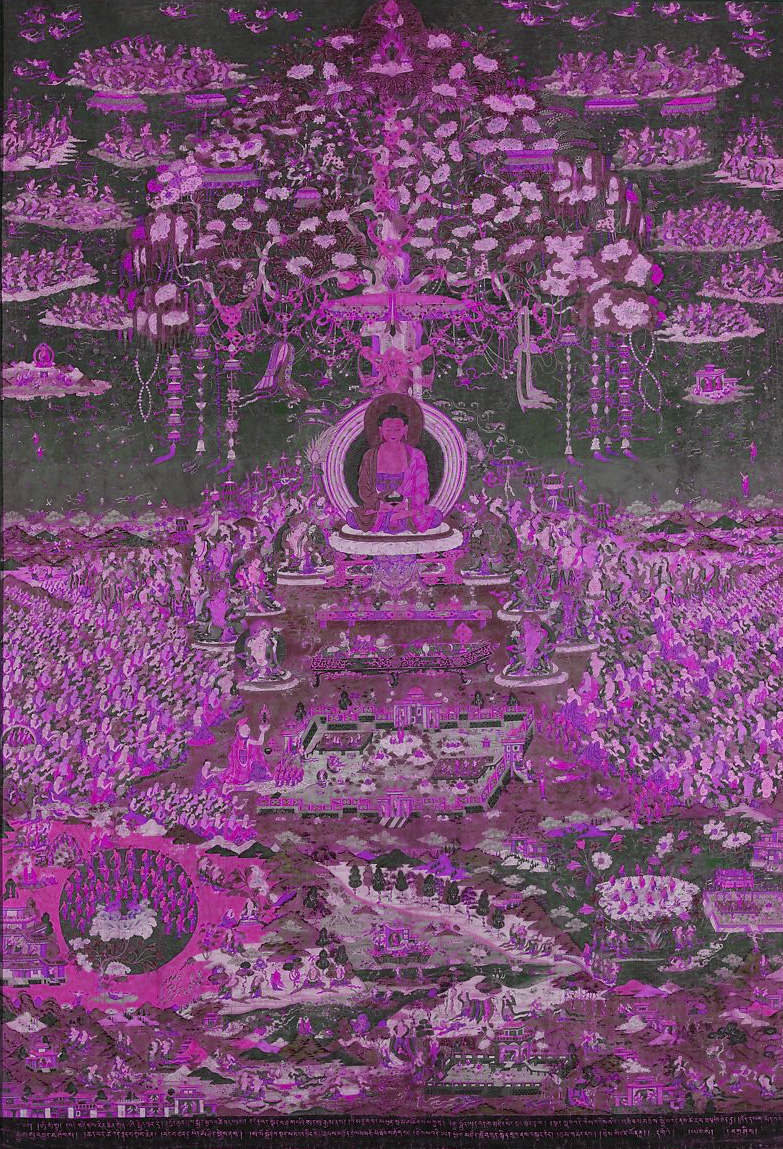
Continue reading “The dishes are clean, the sun is set by Fan Wu”
I am going back to the beginning place before sun and sky and sea, before the slit discloses difference, before the shock of time abides…
Continue reading “Excerpts from The Torture Garden by Octave Mirbeau & Pornographia by Jean-Baptiste Del Amo”… life itself, the perfect composition of flesh elevated into a cathedral of fluids and organs, into a little god of misery.
Continue reading “Two micros and a translation by Line Stockford”Serpent is truth, and so despised. No flattery, no eyelashes, no need, take what you will.
Continue reading “Two micros by Stevie Aechelimi Spikes”biting the inside of my mouth i am more gum than smile, because even on the internet i don’t know how to say no in the breathless space of a text message

Continue reading “Excerpt from The Book of Khalid by Ameen Rihani”… the Soul of a philosopher, poet and criminal. I am all three, I swear…
Continue reading “transmogrification by Sara Campos-Silvius”I will be something utterly, gloriously new…
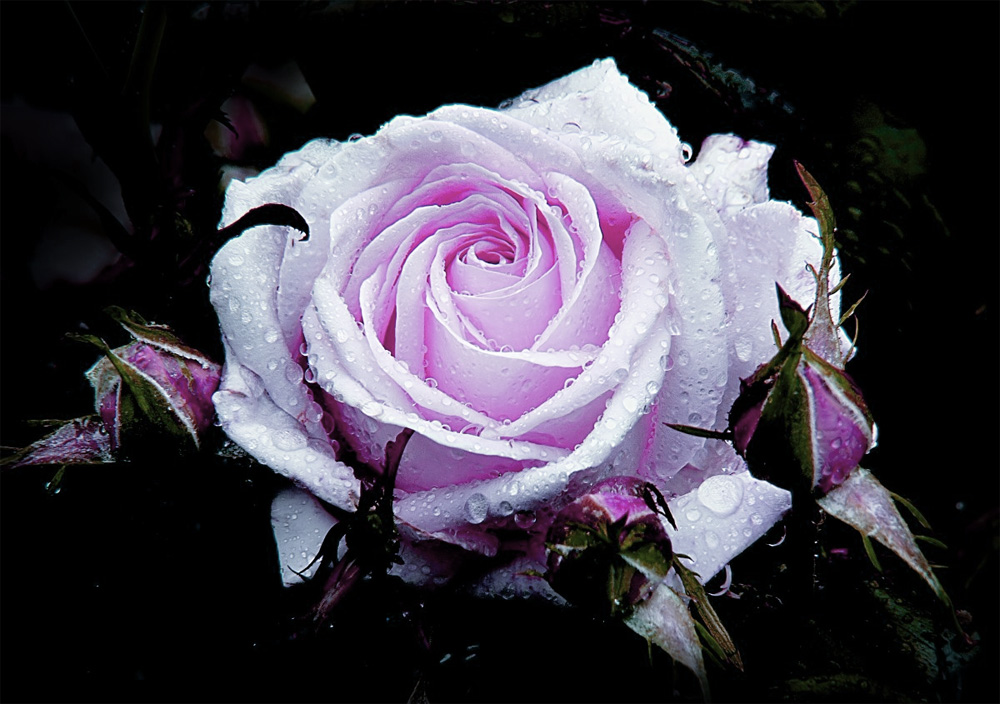
Continue reading “Excerpt from Christ by Sadakichi Hartmann”Thought and feeling are forgotten, only the body lives!
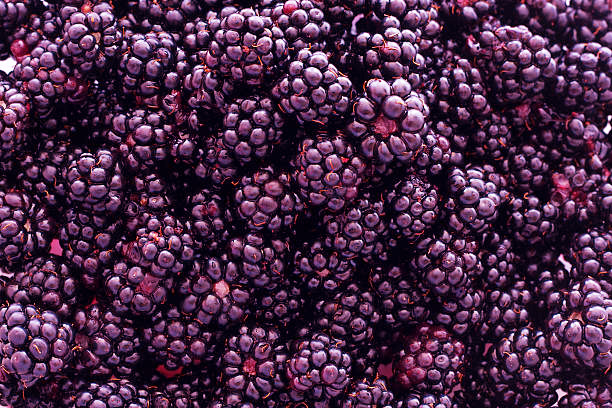
Continue reading “Crown of Thorns by Alice M.”… when she kneeled at the altar, we saw blood fall, not blood I whispered not blood at all, but purple blackberries, bouncing fat on the stone

Nico, Kensington Gardens, London, March 1970 by Barry Plummer.
Your eyes will show me where to cut.
My father twice allowed himself to be with a woman. The first, when he spent frivolous summers flip-flopping around Europe, was the famous German model and signer so instantly charmed by his boyish loveliness, she knew she’d devour him that night. They met at a summer party in Paris; she willed herself onto him, cozied up beside him, pinned him, sitting inches taller than him, wrapped her long arm about his, black widow silk coiled around a termite. They all saw it, the troupe, her hunger for him. Despite his saying “I don’t know how to do it with a girl! What am I gonna do?” she could not be stopped. Nico took what she wanted. My father couldn’t resist. She liked men of all kinds. Tough guys, artists, fashionistas, princesses like dad.
It’s a lifelong pursuit to seize the look. I freeze the frame just at the exact moment, so your eyes can show me.
The second woman was my mother. Ten years later. Spitting image of Nico, but shorter. Same eyes. Same cheeks. Father saw the thing he saw a decade before. They met on an empty train to New York. She got on after him and chose to sit right beside him. Beside him she transmuted his nerves into embers; her eyes sucked a part of him out permanently. My mother had the same tormenting eyes as Nico. Nearly the same ghostly voice. So my father told me. They were married for three months, until he forgot how to love this imitation. She wasn’t the real thing. He had lovers more his speed to return to. A year later she tracked him down by train, with me in a baby-vomit-stained blanket. Materialized right at his door, handed me to him, and was gone.
If I freeze the frame in the right fragment, I can see you looking into the camera, as you walk.
5-year-old me asks, “When will I meet mommy?” He sneers and rolls the film from La Dolce Vita. That first moment she steps on screen, when Mastroianni calls to her like he would a prowling cat. His face lights up under the shades. There, she is born. I look at father, his face lit up exactly the same as dashing Marcellino.
I rewind the VHS one and half seconds and press play, and then pause. I’ve missed it. I try again.
Nico said of Bob Dylan “He should not wear sunglasses. His whole personality is in the eyes.” My surrogate mother had the same thing. She was speaking of herself. I stop the tape again. I see in these eyes scorched desire. Preordained junky eyes. A life once lost. A yearning that could find no earthly release.
Father catches me cumming to this frame, sitting on my carpet floor, the VHS paused, the streak of semi diagonal static slicing through the black and white, my surrogate mother’s eyes almost, almost, locked on mine. He doesn’t say anything. He closes the door.
My father tells me that Nico used to sleep with Brian Jones, and that he would abuse her in the bedroom. Beat her, stick pins and needles in her. He we cause her all kinds of traumas, his consciousness bombarded by nonstop cocktails of drugs. But still, it was him that was afraid of her. Short little man like all the Stones, she a tower beside him. When he was sober, or close to it, he was her best lover she ever had. Years later I will ask myself how my father knows these details, and why on earth he thought to tell me. And I will remember. He was obsessed, until his death.
If I were my father, I would want to ask me, why this frozen frame? Why is this the image I choose? If I flip through his shrine of magazines, his amassed clippings, there’s dozens of full color pictures of her. And I wouldn’t tell him anything.
Father has a date with a short man with fading blonde hair. The man is German. I hear them laughing together in the living room. I hear the clinking of their glasses as they cheers over and over. I sit above them in my bedroom, pretending to be asleep. I rewind the tape.
Nico’s face looks down. She looks forward and off to the crowd. I try to make her eyes see mine. I never met my mother. Father said she died in a train derailment last year. Father has pointed to this black and white screen and said this is your mother, on drunker nights when I try to ask him again about her.
I flip through all the magazines. I slowly cut pages out over time. I use a boxcutter because my idiot father has that, but no scissors. A page here, a page there. Father would kill me. Her face desecrated. I stash them under my bed. I glue them together in parts. The scene on the TV is frozen in time. She watches as I work. Her eyes are just right. My floor is covered in glue. My surrogate mother’s face breathes beneath my bed, in multiples, in endless variations of cascading light and dark. I feel her lungs at night. I breathe her into me.

Derek Fisher is a writer from Toronto. He is the author of Container (With an X Books, 2024), and Night Life (Posthuman Magazine, 2023). He has work published in Maudlin House, X-R-A-Y, Wigleaf, The Harvard Advocate, Fugitives & Futurists, SARKA, Vlad Mag, and more. To see more of his writing, visit derekafisher.com
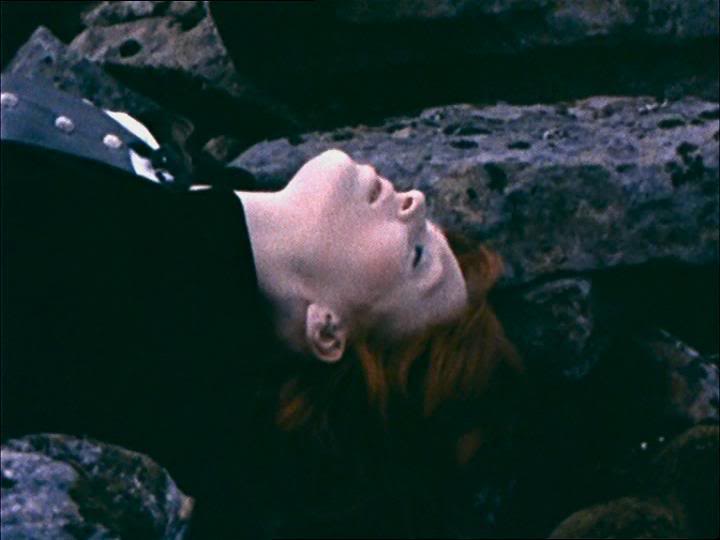
Nico in Athanor (1972).
1972 film directed by Philippe Garrel. Cinematography by Michel Fournier.
35mm, color, silent. 20 minutes.
“I put my life on that screen, but people thought that nothing happened. Everybody was too stupid to see what’s right in front of them.”
– Nico
ONE.
Nico is laid out on the stone floor of an ancient castle. Her striking profile is unmistakable. Her hair is dyed red, eyes shut, one hand rests atop her chest. The gray stones around her form the pattern of a circle. In the center, someone has ceremonially placed a log. This appears to be a ritual, but nothing indicates what kind. Nico’s body remains still. The scene is entirely silent. If this is a sacrifice, has it already happened? Here at the beginning of the film, there’s already a sense that we’ve arrived too late.
TWO.
Nico sits before a stone fireplace. Her naked back is to us, her long red hair cascading over her shoulders. The unseen fire outlines her body with a subtle glow. Is she a prisoner in this castle? Forced to submit to sadistic situations? As if she’s registering our questions from the other side of the screen, Nico shifts her head, though she refuses to suggest any answers. Her full attention is focused on the bas-relief sculpture on the wall that depicts warriors in brutal battle, brandished swords and lances, shattered armor, severed heads. A history of violence chiseled and preserved in stone.
THREE.
Another wing of the castle. Nico sits on the stairs and peers up at the fire burning brightly in a stone urn. Her arms are crossed over her exposed chest, like she’s trying to stay warm. The light from the flames undulates along the wall, flickering across her face, framing a sallow and sickly expression. Now it seems clear that she’s not a simple captive of the castle. She haunts this place, or maybe better yet, she’s haunted by it. Though perhaps for Nico that distinction is meaningless.
FOUR.
Adorned in a silver headpiece, Nico is positioned before a stone altar. A brown falcon stands atop it. She remains motionless, as if engaged in prayer. Only her bare back and shoulders are visible. When she looks down, it’s with a theatrical gesture of shame, like she has an unspeakable secret to protect. That hint is all she offers. On the altar, the falcon bristles its feathers and swivels its head toward us. Its fierce eyes shine.
FIVE.
Nico sits in a large window frame that looks out upon dusky blue clouds and a purple horizon. She’s completely nude, her alabaster body turned away from us, round buttocks resting on the stone sill. She holds a glass ball, rotating it with great care, enraptured by the bits of light it refracts. She studies this transparent sphere as if it contains an entire world, one that pulls her deeper into its orbit with each rotation. She’s using it to cast a spell that she doesn’t fully comprehend, in thrall to her own powers, unconcerned about their cost.
SIX.
Nico looks down into a mirror. On its reflective surface sits a silver ring. Though clearly tempted, she doesn’t take it. Is she deterred by a distaste for wealth? Or is it a disdain for a prize too paltry? The hawk emerges briefly at her shoulder, wings outstretched, restless. They both observe the glint of silver. When the bird flaps away, Nico looks up to follow the arc of its flight. Back in the mirror, clouds scud across the sky. The light dims several degrees. The ring remains untouched.
SEVEN.
A forbidding landscape of volcanic rock. Tufts of vegetation mark the edges of a small pool of water. Nico kneels down to drink several handfuls. She’s dressed in black cape, blue blouse, long white skirt. This is the first time we’ve seen her outside the castle. It’s enticing to interpret this as an escape, an attempt to live beyond confined walls, but that’s probably too optimistic. As she sets off, it begins to rain.
EIGHT.
Nico lies across a desolate stretch of black rocks, head thrown back, eyes shut. Her parted lips hint at both ecstasy and pain. Her body stays motionless so long that we believe she’s dead. Perhaps the water was poisoned. Just when we’re certain we’ve reached the end of the film, Nico’s eyelids flutter and she surfaces from a profound stupor. After returning to life for several indifferent seconds, Nico closes her eyes and dies once more, or at least she assumes that pose.
NINE.
Her cape billowing behind her, Nico charts a path across an overgrown field. Stalks of purple wildflowers rise as high as her waist. Pausing to examine a particular bloom, she looks straight at us, returning our gaze, like she’s finally ready to confide. A sense of impending revelation builds. But even if she spoke, there’s no sound.
TEN.
In a later film, Nico recites a lyric from her notebook: “Sometimes we must keep from bringing certain thoughts up to the light.”
ELEVEN.
Nico is stretched out on a wooden dock, a river flowing languorously behind her. She’s arranged with her knees up, showing off her leather boots, but she can’t manage that position for long. Shutting her eyes, her chin starts to dip. She nods off, overtaken by slumber, tumbling deep into a dream. But aren’t we already there? Isn’t that what this is?
TWELVE.
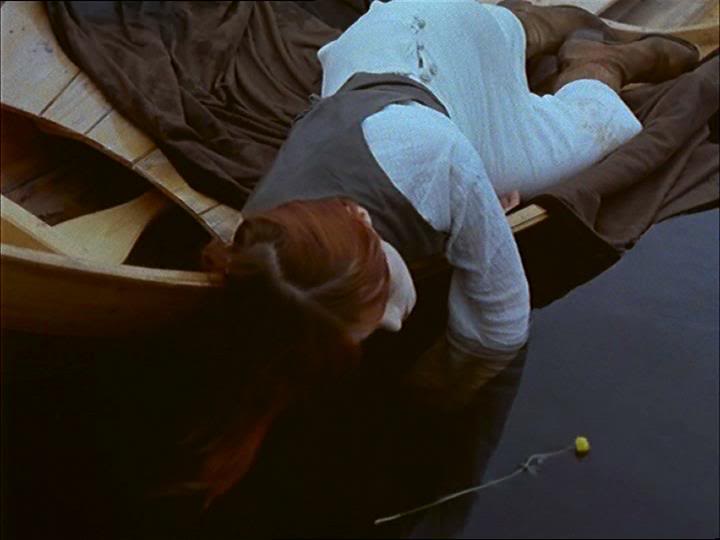
Nico is now out on the water, perched precariously on the edge of a wooden rowboat. She’s swaddled in her black cape, a spectral figure in danger of slipping into a realm beyond dreams. One arm is already plunged deep into the river. Her somnambulant face hovers inches above the water, but unlike Narcissus there is no reflection to admire, only a blank surface. The camera pulls back to show us the boat in the context of the current, the swirling waters slowly rotating the keel as it lists onto its side, the better to admire its polished planks and flawless structure. Its beauty fills the frame for several seconds. The person it holds inside is no longer visible.
Jeff Jackson is the author of the novels Mira Corpora and Destroy All Monsters. He recently completed a three-part novel entitled The Disappeared. His band Julian Calendar’s debut album Speaking A Dead Language was just released on Bandcamp.
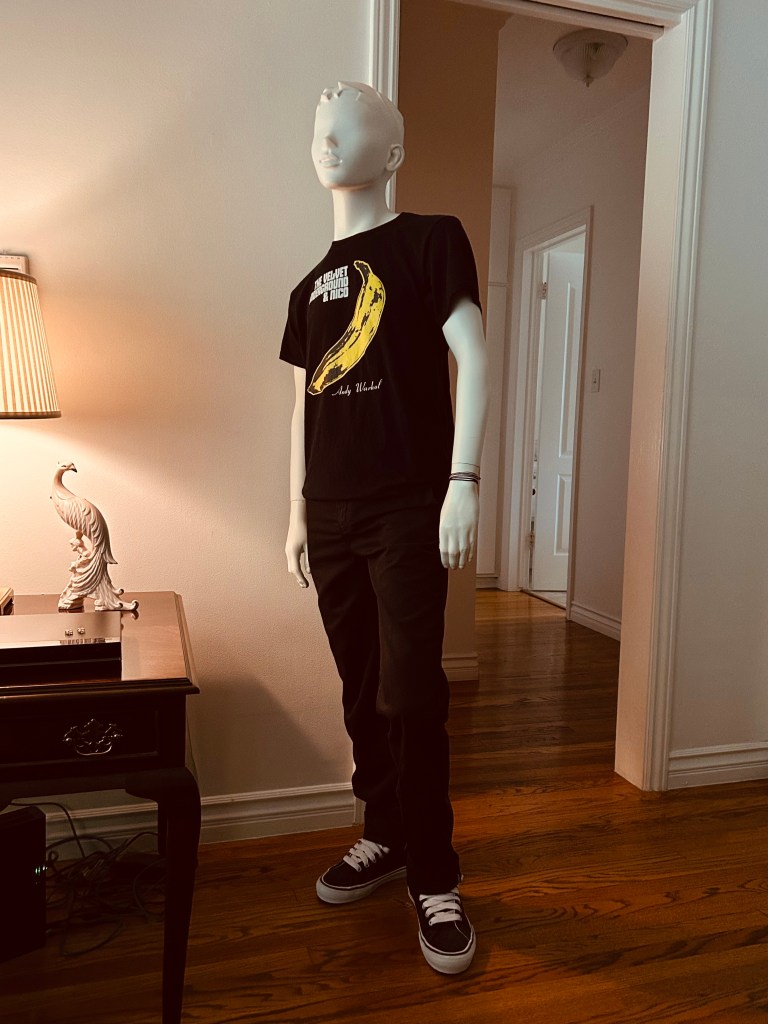
Nico in his The Velvet Underground & Nico shirt.
My name is Nico. It has always been Nico. It felt like a good name when I tried it on. My mother named me after a singer most people my age don’t even know. On most days it sounds like a boy’s name, though on some days, usually a Sunday morning, it sounds like a girl’s name, but I’m definitely not a girl. My name sounding like a girl’s name doesn’t bother me anymore. It used to, like when I was a kid, hey faggot, how come you got a girl’s name, but not anymore. There aren’t very many Nicos, maybe a barber once in one of those ghetto barbershops where everyone is tripping over themselves to look cool, a skin fade kid with a Wahl in one hand and a girl’s digits in the other, grey sweatpants and black Vans and a drooping eyelid that’s somehow endearing, I’m stealing glances of him while in the chair waiting for the next call, hoping he’s the one, the double quicksilver echoing my reflection in a thousand shop windows, I’ll be your mirror, and when you have an unusual name like mine you always pay attention to others you share it with, like when you notice all the cars just like your car, my mother’s favorite song, Sunday morning, a song father approved of, when my days were laid out for me, my life simple because everything was preplanned, I didn’t have to think of what to wear, what to say, deciding if I was a boy or a girl, the fate of the nation trapped in the web of my lattice fingers. I pull on my threadbare brown corduroy pants and a green cardigan mother found at Goodwill for 12.99, so today I will be a boy.
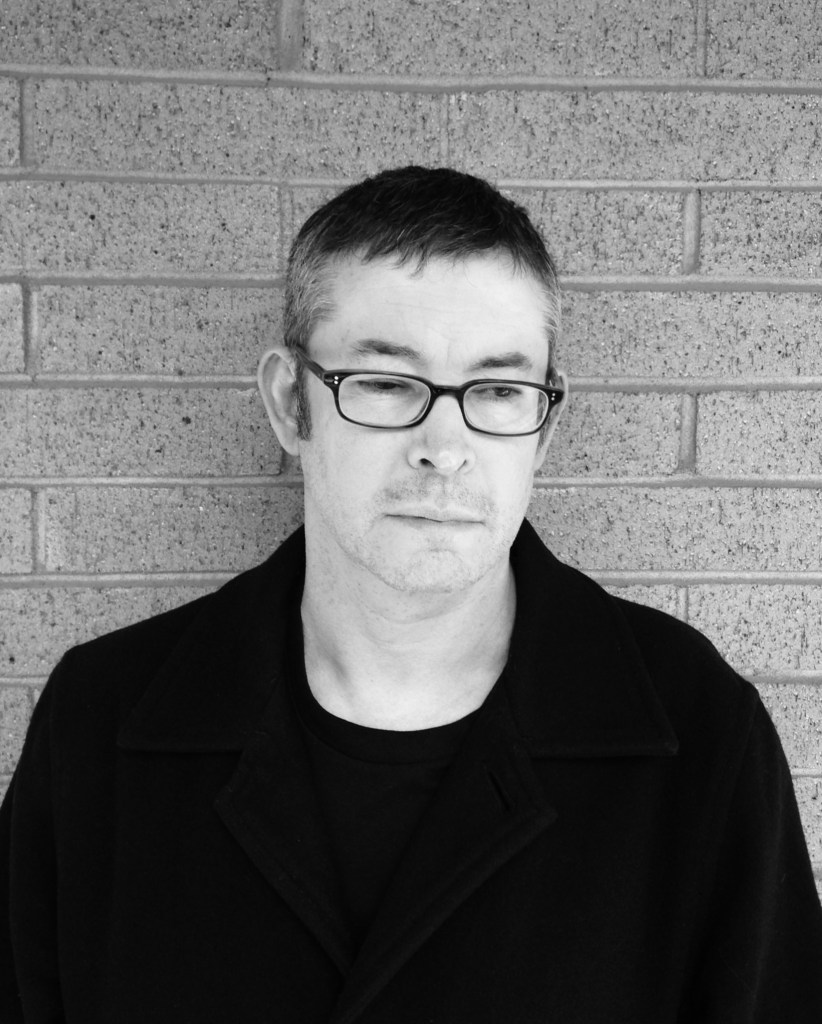
James Nulick is the author of several highly acclaimed novels including Plastic Soul, The Moon Down to Earth, and Valencia. He is working on a new novel.
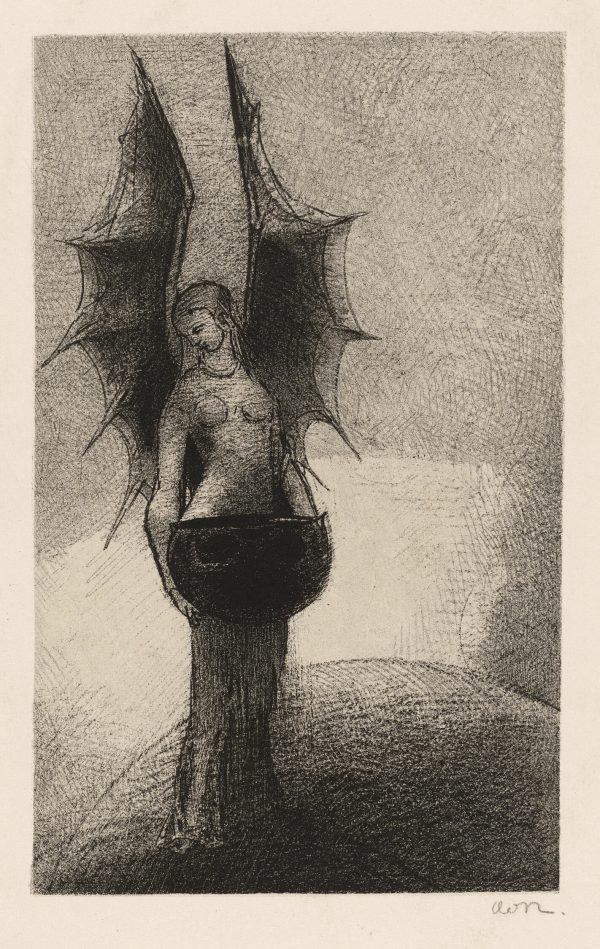


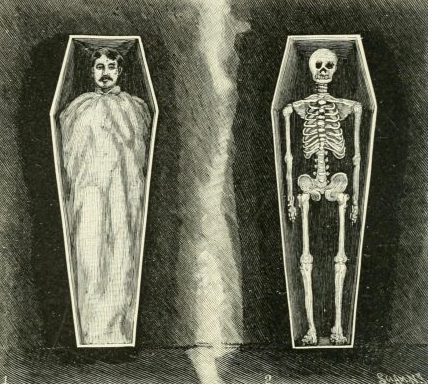

January 23rd, 2021
Wide Eyed
I get disheartened when an artist tells
me they’re bored. It’s especially brutal
if I’ve adored you and the art propels
my own rhetoric, research,
collections of folders some might besmirch. I think
Stanley Kubrick would have approved though I’ve
no warehouse of boxes when I’m extinct
to prove my passion for working still thrives
between poems and books. We live
amidst fascinations. If we stay spry,
wide eyed enough, work is transformative.
Suture eyes shut someday after I die
with the stories I’ve written, some I hoard.
I’ll die exhausted. I never lived bored.
 BURNING HOUSE PRESS